
Basecamp cities represent a modern evolution in travel and tourism, serving as strategic urban centers that facilitate access to outdoor adventure destinations. These carefully selected metropolitan areas function as launchpads for explorers, adventurers, and outdoor enthusiasts seeking to venture into surrounding wilderness areas while maintaining the comfort and convenience of urban amenities.
The concept of basecamp cities has gained significant traction in recent years as travelers increasingly seek experiences that balance adventure with accessibility. Unlike traditional mountain towns or remote settlements, basecamp cities leverage established infrastructure, diverse accommodation options, and comprehensive service offerings to support adventure-focused tourism.
Key Characteristics of Basecamp Cities
Effective basecamp cities share several defining features that make them ideal starting points for outdoor exploration:
- Strategic Geographic Location: Positioned within reasonable proximity to major natural attractions, national parks, and wilderness areas
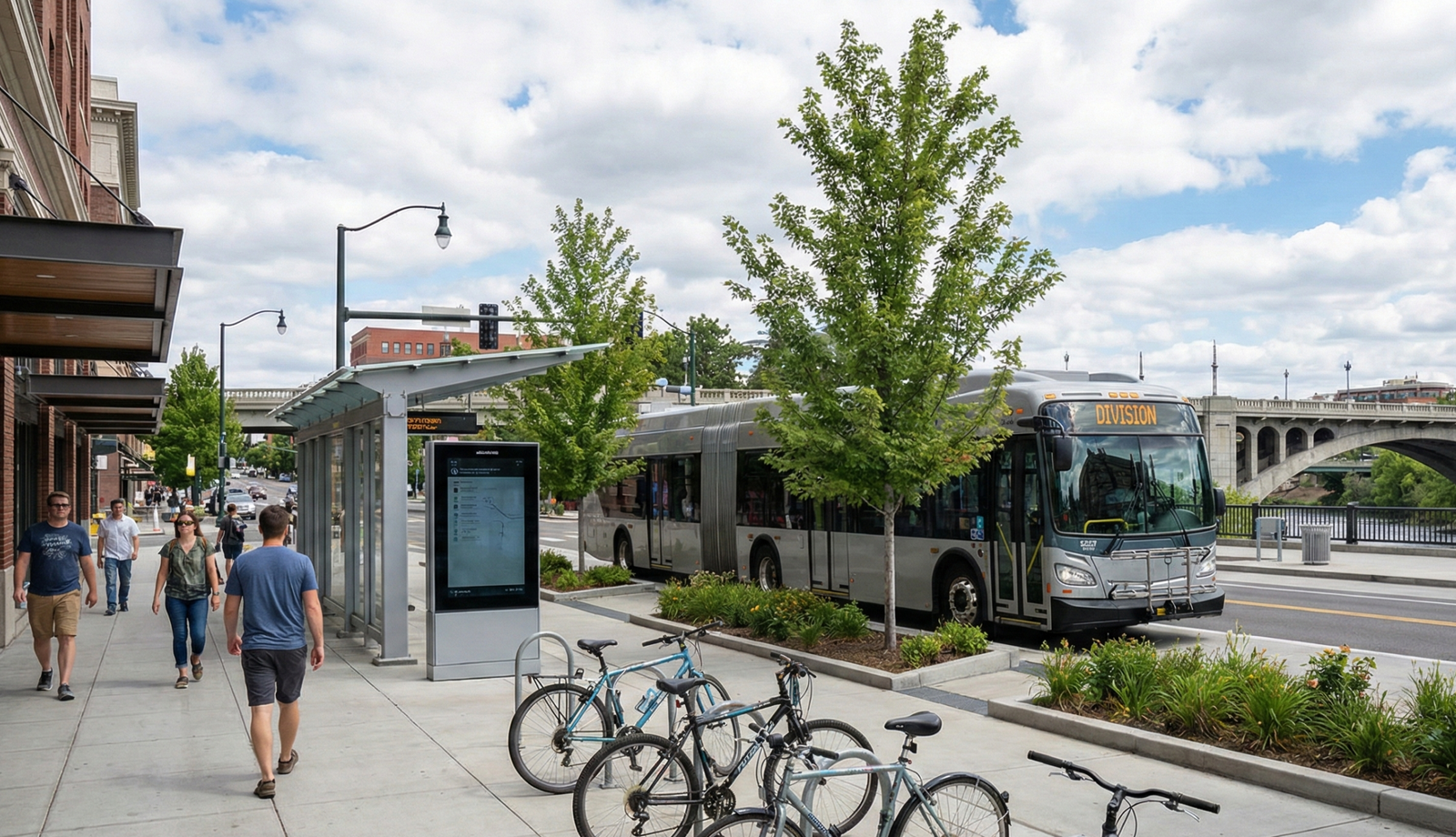
- Comprehensive Infrastructure: Well-developed transportation networks, including airports, highways, and public transit systems
- Diverse Accommodation Options: Ranging from budget-friendly hostels to luxury resorts, catering to various traveler preferences and budgets
- Adventure Service Providers: Abundant outfitters, guides, and tour operators specializing in outdoor activities
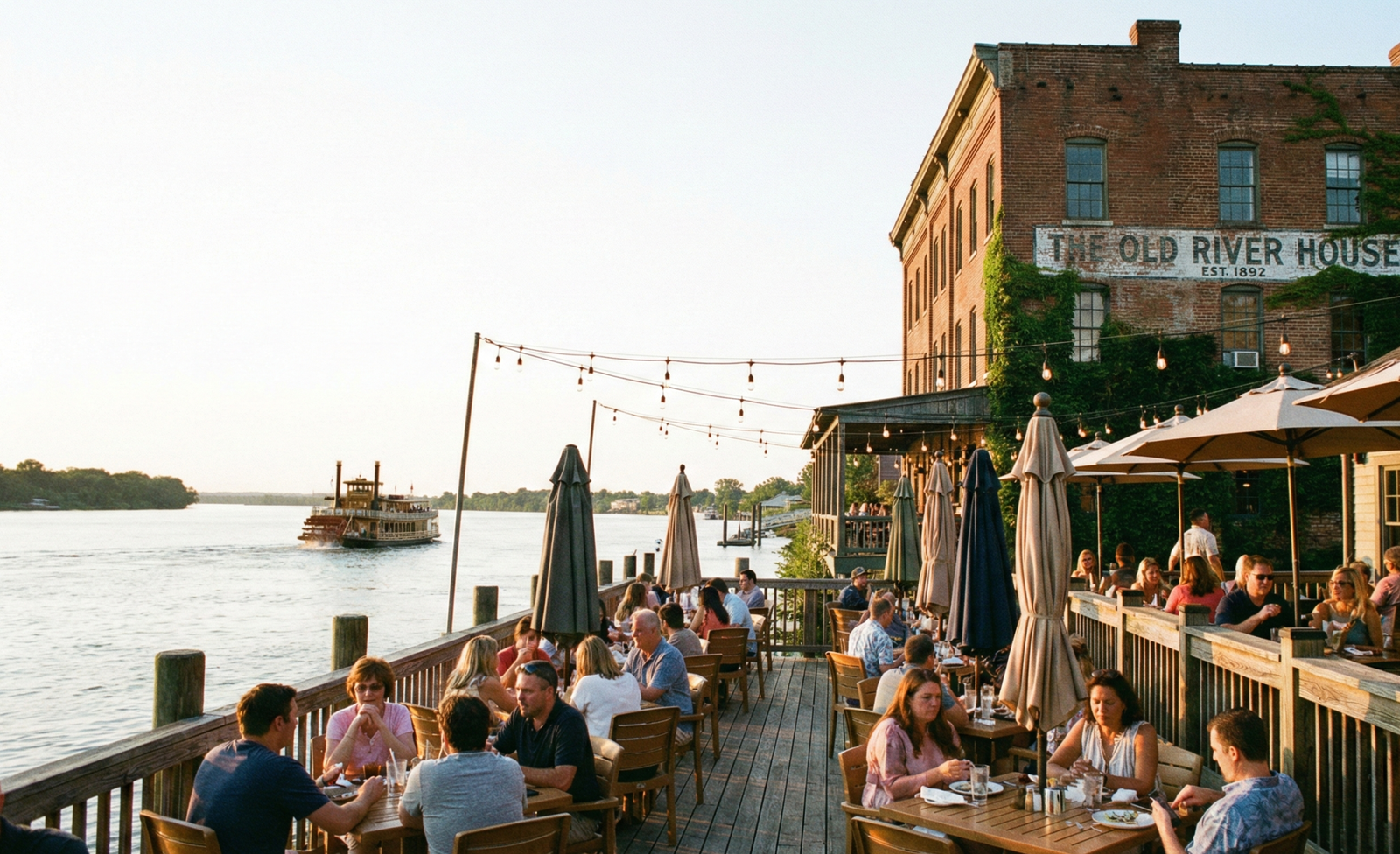
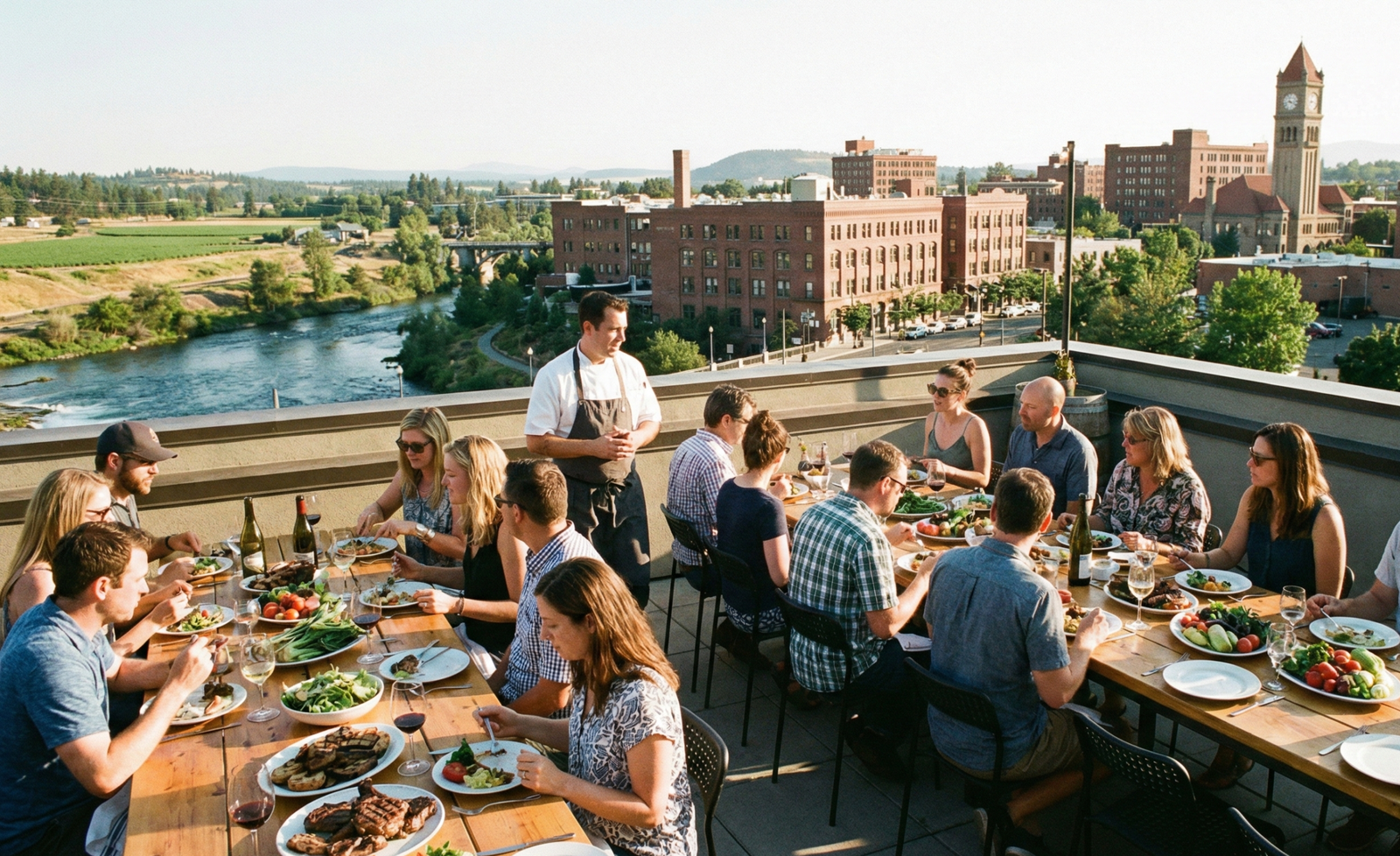
- Urban Amenities: Restaurants, shopping, entertainment, and other conveniences for pre- and post-adventure relaxation
- Professional Support Services: Medical facilities, equipment rental shops, and experienced outdoor professionals
Popular Basecamp Cities Around the World
Several cities have established themselves as premier basecamp destinations, earning international recognition for their excellent combination of urban facilities and outdoor access.
Mountain and Alpine Destinations
Cities nestled near mountain ranges offer exceptional opportunities for climbing, hiking, and alpine sports. These locations typically feature well-established mountaineering communities, professional guides, and specialized equipment retailers. The infrastructure supporting climbers and trekkers in these regions has developed over decades, creating reliable support networks.
Coastal Adventure Hubs
Seaside basecamp cities cater to water-based adventures including surfing, diving, sailing, and kayaking. These destinations benefit from immediate coastal access combined with urban services, allowing adventurers to pursue maritime activities while enjoying comprehensive dining, lodging, and entertainment options.
Desert and Arid Region Bases
Cities positioned near desert landscapes serve as crucial supply and rest points for explorers venturing into arid environments. These basecamp cities provide essential services for desert-specific adventures such as rock climbing, off-road exploration, and archaeological expeditions.
Economic and Social Benefits
Basecamp cities generate substantial economic advantages for host communities. Adventure tourism creates employment opportunities across multiple sectors, including hospitality, transportation, and specialized services. Local businesses thrive by catering to the consistent influx of adventure-focused visitors.
Beyond economic impact, these cities foster vibrant communities centered around outdoor culture and environmental stewardship. The concentration of adventure enthusiasts creates dynamic social environments and often strengthens conservation initiatives protecting surrounding natural areas.
Essential Services for Adventure Travelers
Successful basecamp cities provide a comprehensive array of services designed specifically for outdoor adventurers:
- Professional guide services and expedition planning
- Equipment rental and sales facilities
- Medical clinics with wilderness medicine expertise
- Permitted outfitter operations for organized excursions
- Accommodation ranging from camping to luxury hotels
- Restaurants and provisions for trip preparation
- Communication services and information centers
- Insurance and travel documentation support
Planning Your Basecamp City Adventure
Selecting an appropriate basecamp city requires careful consideration of your specific adventure goals, physical capabilities, and available timeframe. Research the particular activities available, seasonal conditions, and required permits or permissions.
Arrive in your chosen basecamp city several days before your primary adventure to acclimatize, arrange final preparations, and consult with local guides regarding current conditions. This buffer time allows adequate adjustment to altitude changes, weather patterns, and logistical considerations.
Sustainability and Responsible Adventure Tourism
Basecamp cities must balance growth and accessibility with environmental protection and cultural preservation. Responsible tourism practices ensure these destinations remain viable for future generations while protecting the natural environments that define them.
Conscientious travelers should support local businesses, follow established environmental guidelines, and respect local communities and customs. Basecamp cities thrive when adventure seekers actively participate in preserving the wilderness areas and cultural contexts that attract them.
The Future of Basecamp Cities
As adventure tourism continues expanding, basecamp cities will increasingly incorporate sustainable practices, advanced technology, and enhanced accessibility features. Future development should prioritize environmental conservation, community engagement, and equitable access to outdoor experiences.
Basecamp cities represent more than merely convenient starting points for adventure—they embody a philosophy of responsible exploration that respects natural environments while enabling transformative outdoor experiences. By thoughtfully selecting and utilizing these urban hubs, adventurers can pursue their passions while contributing positively to local economies and conservation efforts.