The term “Bungalow Belt” refers to historic residential neighborhoods characterized by distinctive early-to-mid twentieth-century architectural styles. These areas have experienced a remarkable resurgence in real estate value over the past decade, driven largely by renewed appreciation for their unique design elements and cultural significance. The architectural authenticity of these properties has become a primary driver of property valuations in competitive housing markets across North America.
The Historical Significance of Bungalow Architecture
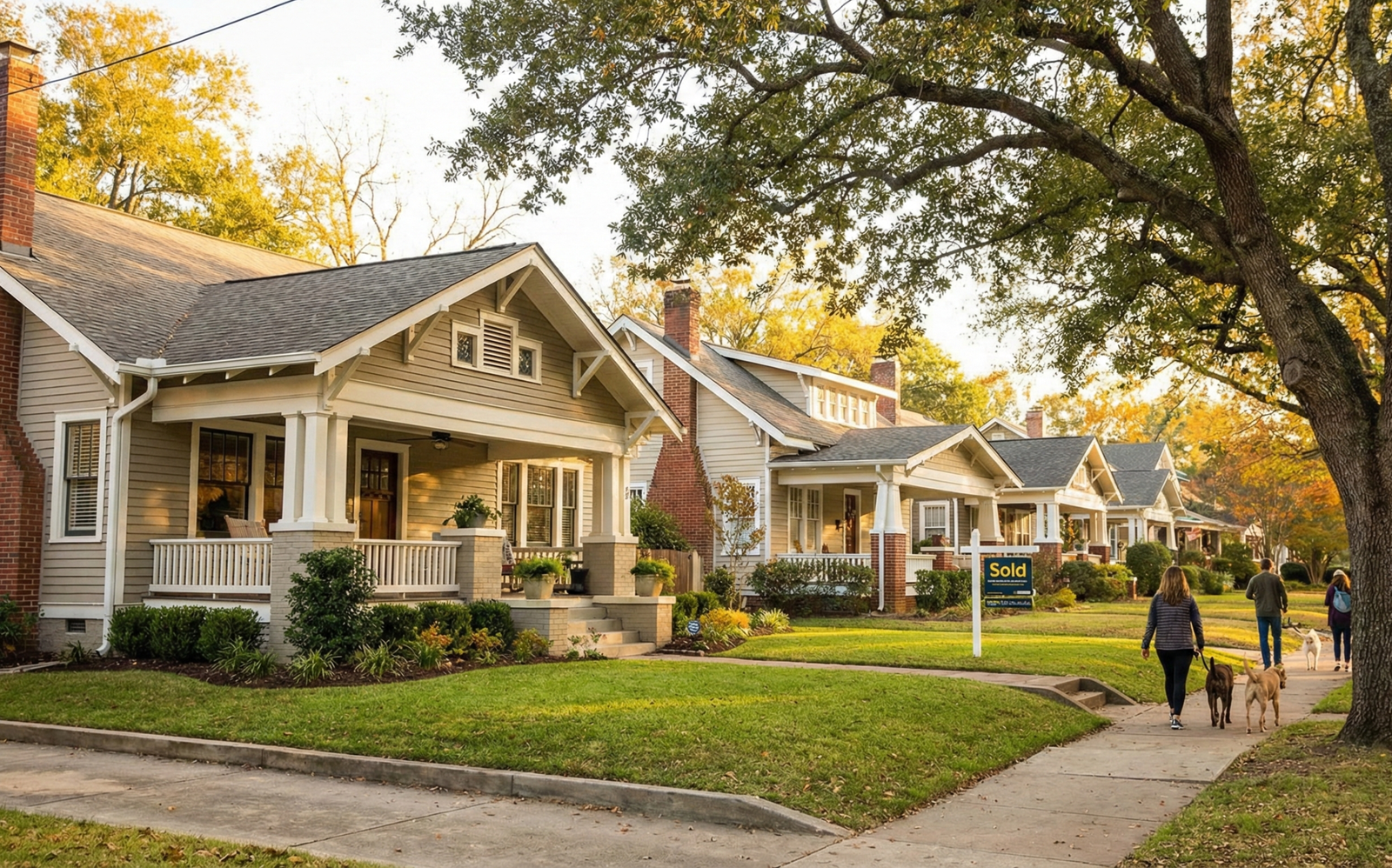
Bungalows emerged as a dominant residential form during the early 1900s, representing a deliberate shift away from Victorian excess toward simpler, more functional design principles. This architectural movement prioritized livability, affordability, and connection to nature values that resonate strongly with contemporary homebuyers seeking alternatives to modern suburban development.
The defining characteristics of classic bungalow design include:
- Low-pitched roofs with broad overhanging eaves
- Deep front porches suitable for community interaction
- Open floor plans maximizing interior space efficiency
- Natural materials including stone, brick, and wood detailing
- Built-in cabinetry and period-appropriate fixtures
- Integration with landscape and outdoor living spaces
Market Appreciation and Property Values
Historic bungalow neighborhoods have consistently outperformed broader real estate market indices in recent years. Properties in well-preserved Bungalow Belt areas command premium prices reflecting both their architectural integrity and the scarcity of authentic examples in deteriorating condition. This appreciation reflects a fundamental shift in buyer preferences toward established neighborhoods with documented historical character.
Several factors contribute to enhanced property values in these districts:
- Limited supply of original, unaltered properties
- Growing demand from buyers prioritizing walkable neighborhoods
- Enhanced community identity and cultural preservation efforts
- Proximity to urban centers and employment opportunities
- Recognition by architectural historians and preservation societies
- Investment in neighborhood infrastructure and public amenities
The Role of Preservation and Restoration
The economic benefits of maintaining architectural authenticity cannot be overstated. Homeowners who undertake thoughtful restoration projects—preserving original details while incorporating modern conveniences—see measurable increases in property equity. Historic preservation tax credits and grant programs further incentivize maintenance of period-appropriate features.
Professional architectural assessments reveal that properties with well-documented original elements, such as intact woodwork, authentic windows, and period hardware, achieve significantly higher valuations than extensively modernized alternatives. This economic reality has motivated many property owners to invest in restoration rather than wholesale renovation.
Neighborhood Revitalization and Community Investment
Bungalow Belt neighborhoods have become focal points for deliberate revitalization initiatives. Municipal governments, preservation organizations, and community groups actively promote the cultural and economic value of historic districts through zoning protections, design guidelines, and public investment in streetscapes and infrastructure.
These coordinated efforts generate measurable economic outcomes:
- Increased foot traffic supporting local retail and service businesses
- Enhanced property tax revenues from higher assessed valuations
- Improved public spaces through restoration of parks and streetscapes
- Cultural tourism drawing visitors to neighborhoods with distinctive character
- Attraction of demographic groups seeking authentic community environments
Buyer Preferences and Market Trends
Contemporary homebuyers increasingly prioritize architectural character, neighborhood authenticity, and walkability over the standardized features of new construction. This philosophical shift reflects broader cultural changes including environmental consciousness, desire for community connection, and skepticism toward suburban sprawl.
Millennial and Generation Z buyers demonstrate particularly strong preferences for historic neighborhoods, viewing them as investments offering both financial appreciation and improved quality of life. The appeal extends beyond aesthetics to encompass superior construction quality, superior spatial relationships, and the prestige associated with residing in historically significant areas.
Challenges and Considerations
While appreciation in Bungalow Belt properties presents significant opportunities, prospective buyers should carefully evaluate maintenance requirements and modernization costs. Original systems including plumbing, electrical, and HVAC infrastructure often require substantial investment to meet contemporary standards and safety codes.
Additional considerations include:
- Regulatory requirements for historically significant properties
- Specialized contractors for authentic restoration work
- Insurance considerations for older properties
- Energy efficiency improvements balancing preservation with sustainability
- Lead paint and asbestos abatement in pre-1970s structures
Investment Perspective and Future Outlook
From an investment standpoint, historic Bungalow Belt properties represent compelling long-term value. As new construction becomes increasingly homogenized and authentic historic neighborhoods remain finite in supply, appreciation potential remains robust. Properties in well-maintained districts with strong community engagement and municipal support demonstrate the most stable value growth.
The convergence of demographic preferences, environmental consciousness, and economic factors suggests that historic bungalow neighborhoods will continue commanding premium valuations. For informed buyers willing to invest in proper maintenance and sensitive restoration, these properties offer both the intangible benefits of authentic living spaces and the tangible financial returns associated with appreciating real estate assets.
Conclusion
The Bungalow Belt represents a meaningful alternative to contemporary residential real estate trends, offering architectural authenticity, community character, and demonstrated appreciation potential. As homebuyers increasingly prioritize established neighborhoods over sprawling development, properties featuring the distinctive design and quality craftsmanship of early twentieth-century bungalows will likely continue appreciating in value. For those seeking both financial returns and enhanced quality of living environments, historic bungalow neighborhoods merit serious consideration as investment opportunities and residential destinations.