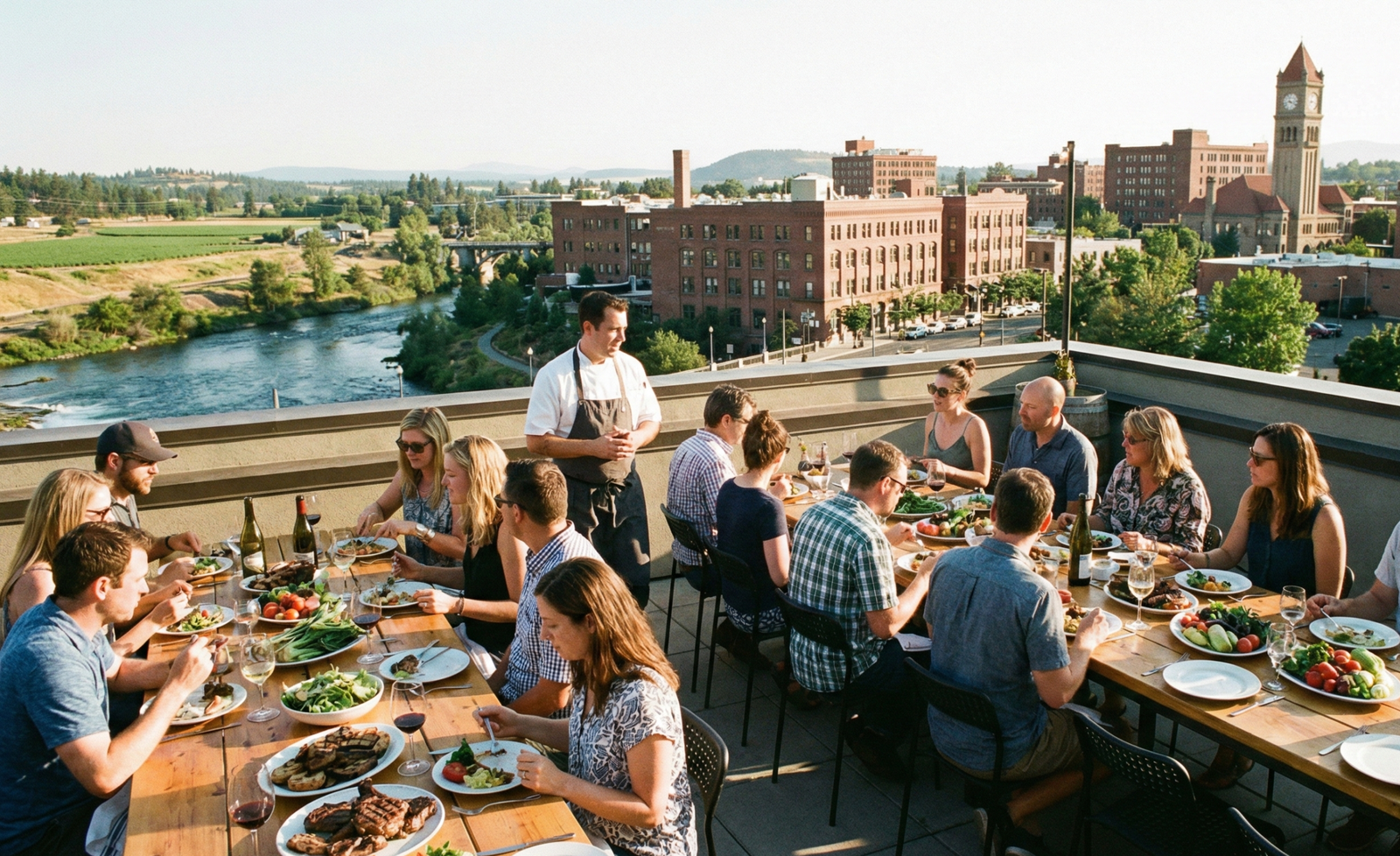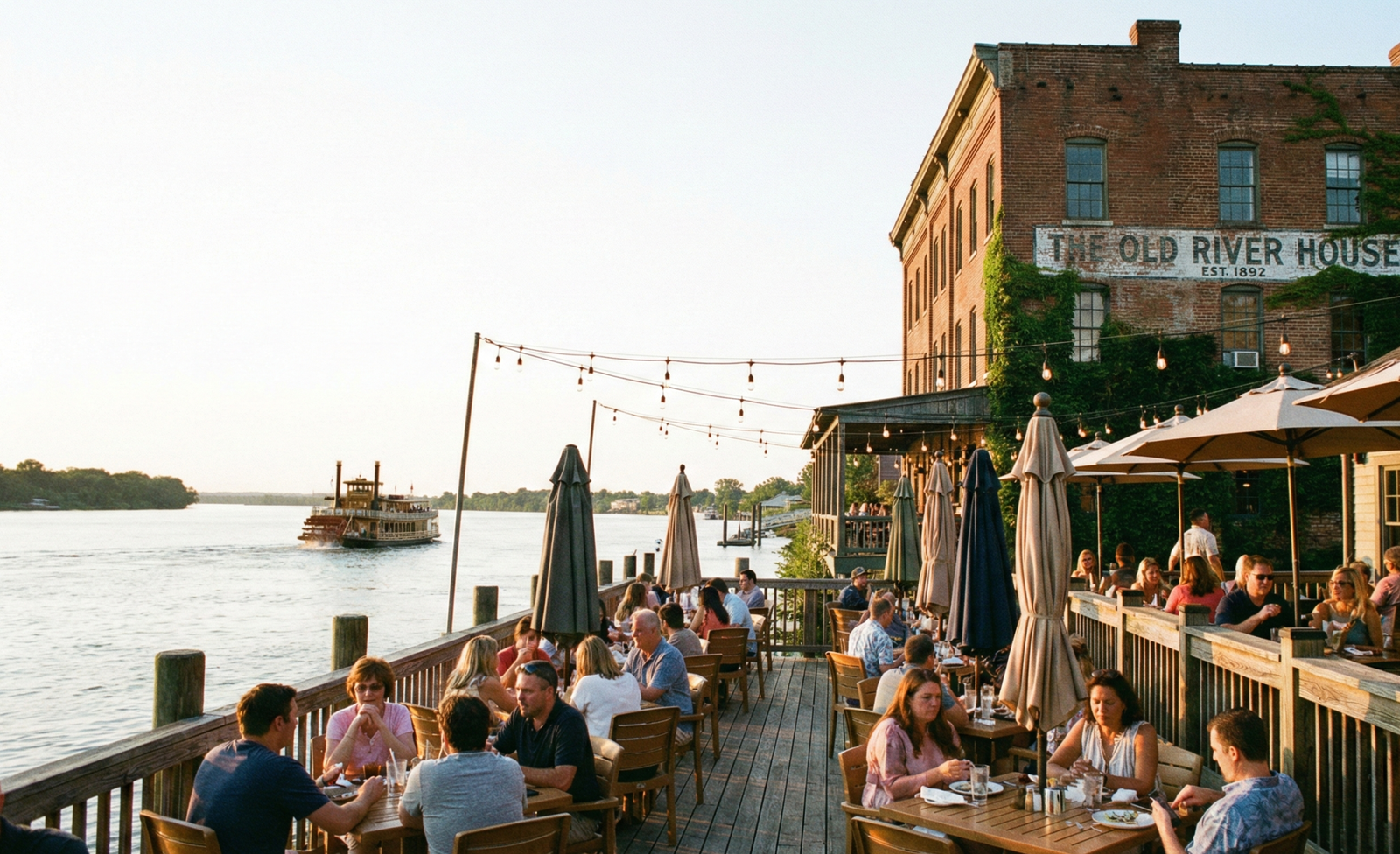
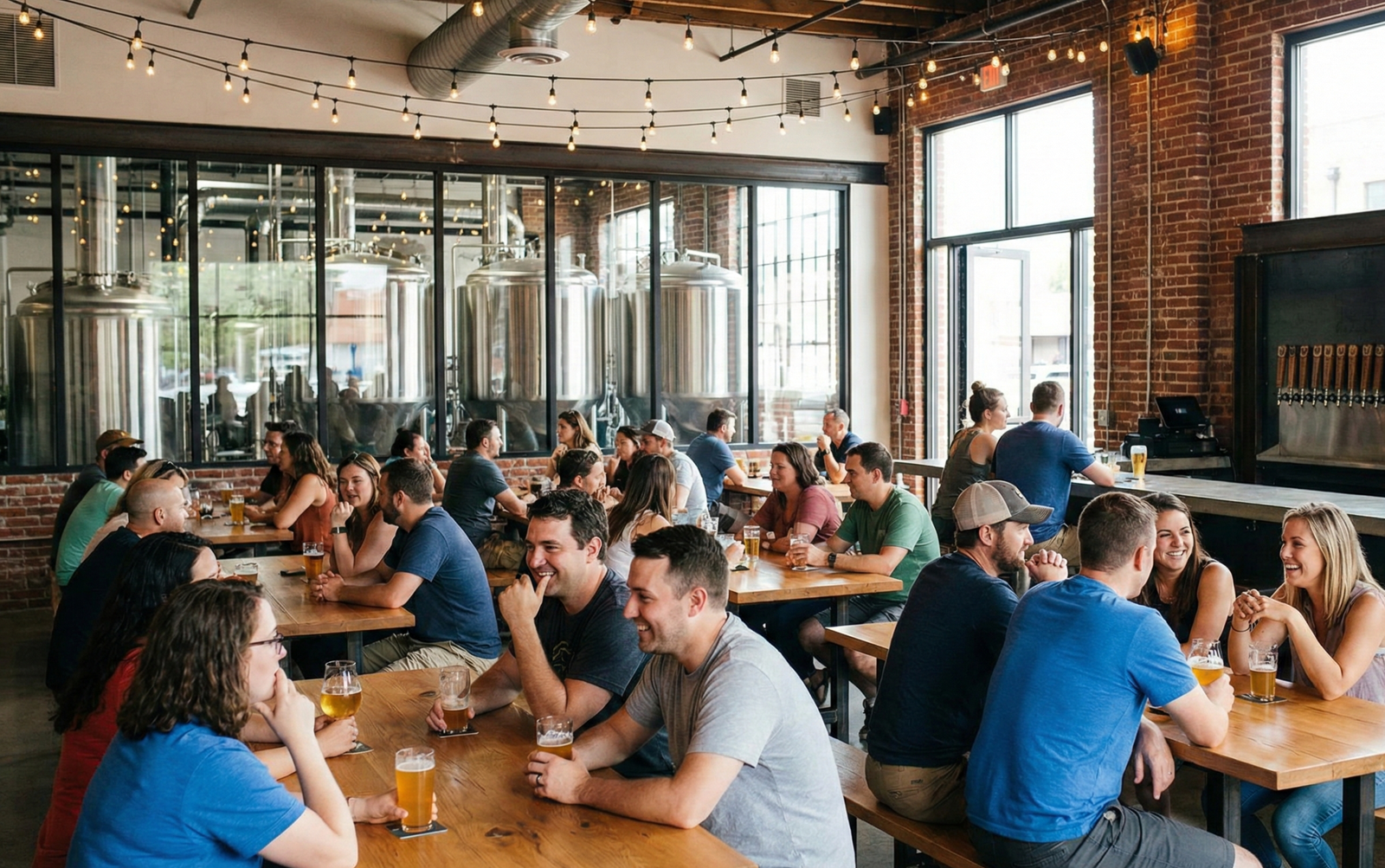
Craft beer breweries have undergone a significant transformation over the past two decades, evolving from simple production facilities into vibrant social gathering spaces. This shift reflects broader changes in consumer preferences and the desire for authentic, community-oriented experiences. Modern craft breweries now serve as destinations where individuals converge to celebrate local craftsmanship, foster meaningful connections, and participate in shared cultural experiences.
Creating Inclusive Social Environments
Contemporary craft breweries prioritize the creation of welcoming environments that cater to diverse demographics. Beyond serving quality beverages, these establishments have become multifunctional spaces designed to accommodate various social activities and preferences. The thoughtful design of brewery taprooms, outdoor seating areas, and event spaces reflects a commitment to inclusivity and community engagement.
Key features that enhance the social atmosphere include:
- Open floor plans that facilitate conversation and interaction among patrons
- Comfortable seating arrangements suitable for both casual visits and extended gatherings
- High-quality sound systems and entertainment options for cultural events
- Family-friendly amenities and non-alcoholic beverage options
- Accessible facilities accommodating guests with varying mobility needs
Cultural Events and Community Engagement
Craft breweries have become epicenters for cultural expression and community engagement. These venues regularly host live music performances, art exhibitions, educational tastings, and themed celebrations that strengthen local bonds and attract diverse audiences. Such events provide platforms for local artists, musicians, and entrepreneurs to showcase their talents and build professional networks.
Educational programming has become particularly significant, with breweries offering workshops on beer appreciation, brewing techniques, and food pairing. These initiatives foster a sense of shared learning and elevate the overall experience from mere consumption to active participation in a growing craft beverage movement.
Supporting Local Economies and Entrepreneurship
The expansion of craft breweries as social hubs contributes substantially to local economic development. These establishments create employment opportunities across multiple sectors, including brewing, hospitality, marketing, and event management. Additionally, breweries frequently collaborate with local food vendors, musicians, and artisans, creating symbiotic relationships that strengthen entire communities.
Many breweries implement farm-to-table practices, sourcing ingredients from regional suppliers and supporting agricultural enterprises. This commitment to local sourcing extends beyond products to encompass hiring practices, with breweries actively recruiting from their communities and investing in employee development.
The Social Impact of Brewery Culture
Craft breweries serve as informal meeting places where individuals from different backgrounds, professions, and age groups interact naturally. These spaces reduce social isolation by providing accessible venues for spontaneous encounters and planned social activities. The relaxed atmosphere and shared interest in quality beverages create natural conversation starters and facilitate relationship building.
Research indicates that such community gathering spaces contribute to improved mental health outcomes, stronger social networks, and increased civic engagement. The brewery environment encourages people to disconnect from digital distractions and engage in face-to-face interactions, fostering genuine human connection.
Innovation in Experience Design
Modern craft breweries continue to innovate in how they design customer experiences. Many establishments now incorporate interactive elements such as brewery tours, behind-the-scenes production access, and collaborative brewing events where patrons participate in the creative process. Some breweries have expanded their offerings to include food trucks, food halls, or partnerships with established restaurants, creating comprehensive entertainment destinations.
Technology integration also plays a role, with breweries utilizing social media, mobile apps, and online communities to enhance patron engagement and foster connections between visits. Virtual events and hybrid experiences have expanded accessibility, allowing broader participation in brewery-centered social activities.
Sustainability and Responsible Community Stewardship
As social gathering spaces, craft breweries increasingly recognize their responsibility to promote sustainable practices and responsible consumption. Many establishments implement environmental initiatives such as waste reduction programs, water conservation measures, and renewable energy adoption. These commitments demonstrate a broader dedication to community welfare and environmental stewardship.
Breweries also actively participate in community service initiatives, organizing charity events, supporting local nonprofits, and raising awareness about social issues. This engagement reinforces their role as responsible corporate citizens and strengthens their connection to the communities they serve.
Conclusion
Craft beer breweries have successfully transformed into modern social gathering spaces that extend far beyond their primary function as production facilities. By prioritizing community engagement, cultural expression, and inclusive design, breweries have become valuable assets within their localities. As these establishments continue to evolve, they demonstrate the potential for commercial ventures to serve broader social purposes, creating spaces where commerce, culture, and community converge to enhance quality of life and foster meaningful human connections.