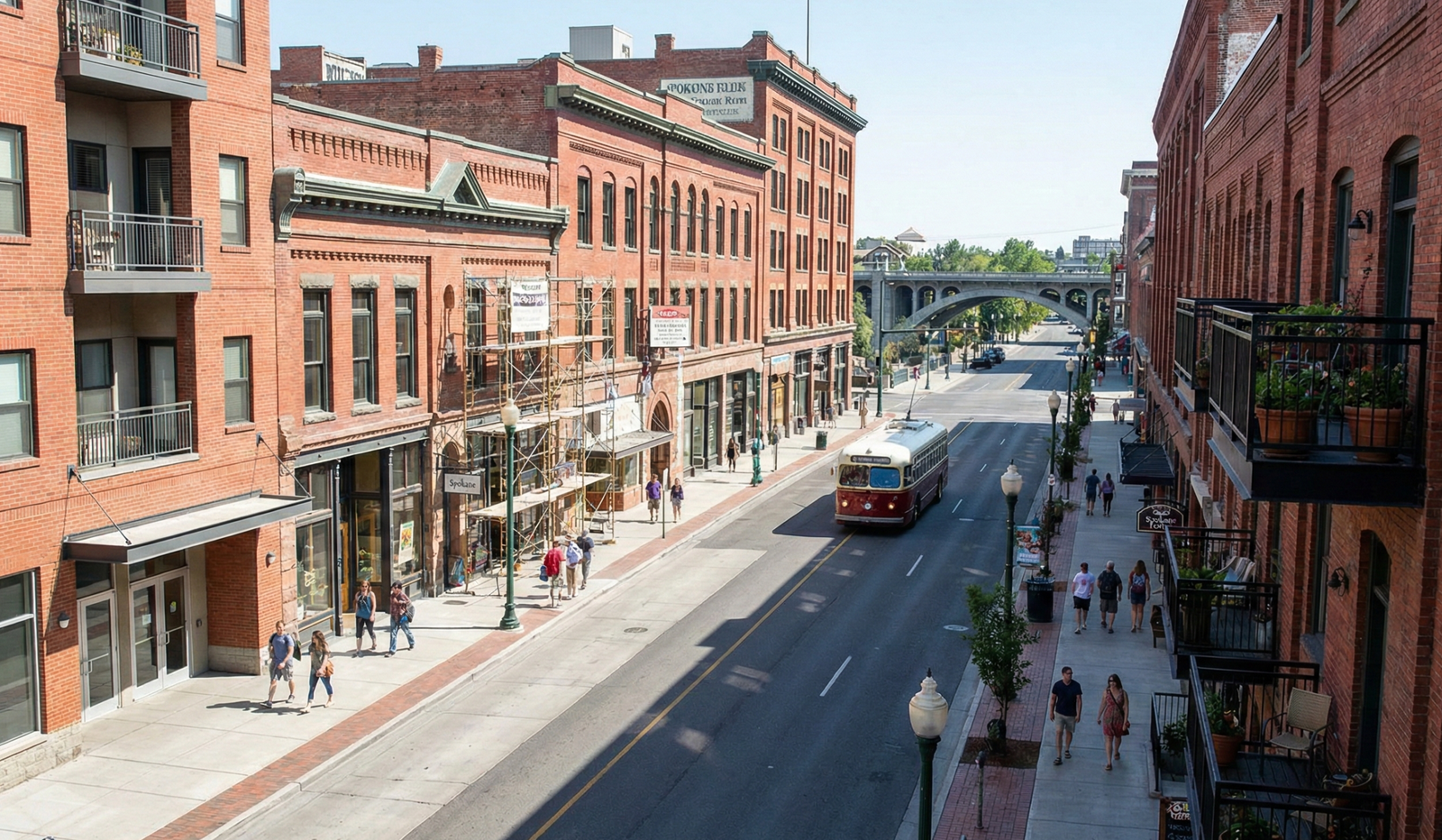
Spokane, Washington, is preparing for a major public transit upgrade focused on the Division Street Bus Rapid Transit (BRT) line. This corridor is one of the busiest in the city, used daily by commuters, students, and workers. Transit officials plan to reduce travel times and improve trip reliability, even during peak traffic hours. Dedicated transit lanes will allow buses to move more efficiently, while upgraded station designs will help limit delays caused by congestion. The new service will deliver faster and more dependable transportation for people traveling to jobs, schools, healthcare centers, and shopping areas. Frequent bus arrivals will shorten wait times, and modern stations will provide real-time schedule updates. These features aim to make public transit more convenient and appealing. City planners expect the improvements to encourage more residents to choose transit instead of driving.
What Is the Division BRT Project?
The Division Street BRT line is a planned high-quality transit route running roughly 9 miles from downtown Spokane north toward the Mead area. Operated by the Spokane Transit Authority (STA), it will be the region’s second bus rapid transit line after the City Line. BRT uses features similar to light rail systems, including dedicated travel lanes, enhanced stations, and frequent service. Buses will likely run every 10–15 minutes and feature modern amenities to support a seamless rider experience. By replacing the existing Route 25 service with a more efficient transit model, STA hopes to move more people with fewer delays and greater reliability.
Faster, More Reliable Transit
One of the biggest advantages of the Division BRT will be reduced travel times. The system will use Business Access & Transit (BAT) lanes, allowing BRT buses to bypass congested traffic and keep moving even during peak hours. Stations will offer raised platforms, real-time arrival information, and off-board ticketing to speed boarding and deboarding. Fewer stops spaced strategically along the corridor will help buses maintain consistent speeds without frequent interruptions. These design elements make BRT faster and more dependable than typical bus routes. Commuters, students, and visitors see it as a strong incentive to use transit.
Equity and Accessibility Benefits
Division Street has long been a vital transit artery, serving high numbers of riders and connecting major destinations throughout the city. The new BRT line aims to expand that access and make it easier for people from all walks of life to reach jobs, schools, healthcare facilities, and retail centers. By providing frequent, accessible service, the project supports riders who may not own cars or who face mobility challenges. Features like accessible platforms and improved crosswalks along the corridor will make transit more convenient and safer for pedestrians and cyclists. Ultimately, this can help bridge transportation gaps and promote more equitable access to essential opportunities.
Economic Development and Community Impact
The Division BRT could bring wider economic benefits. Planners are studying transit-oriented development near future stations. These plans promote mixed-use housing. They support retail growth. Walkable neighborhood design remains a key focus. Leaders want to use the transit investment to boost local businesses. They aim to revive underused areas. Better transit can attract new employers. It can drive housing development along the corridor. These changes create a more connected city. More residents reach shops and services without driving. Division Street becomes a more active and vibrant part of Spokane.
Progress and Timeline
The project remains in development, with design, environmental review, and federal funding applications underway. Construction is expected to begin around 2028, with full service launch planned for 2030. Public outreach continues as STA refines station locations and incorporates community feedback into final plans. By prioritizing transit quality and accessibility, the Division BRT marks a major step forward in Spokane’s long-term transportation vision. As the city evolves and grows, this high-performance transit line may help shape a future where mobility is convenient, dependable, and inclusive for all residents.
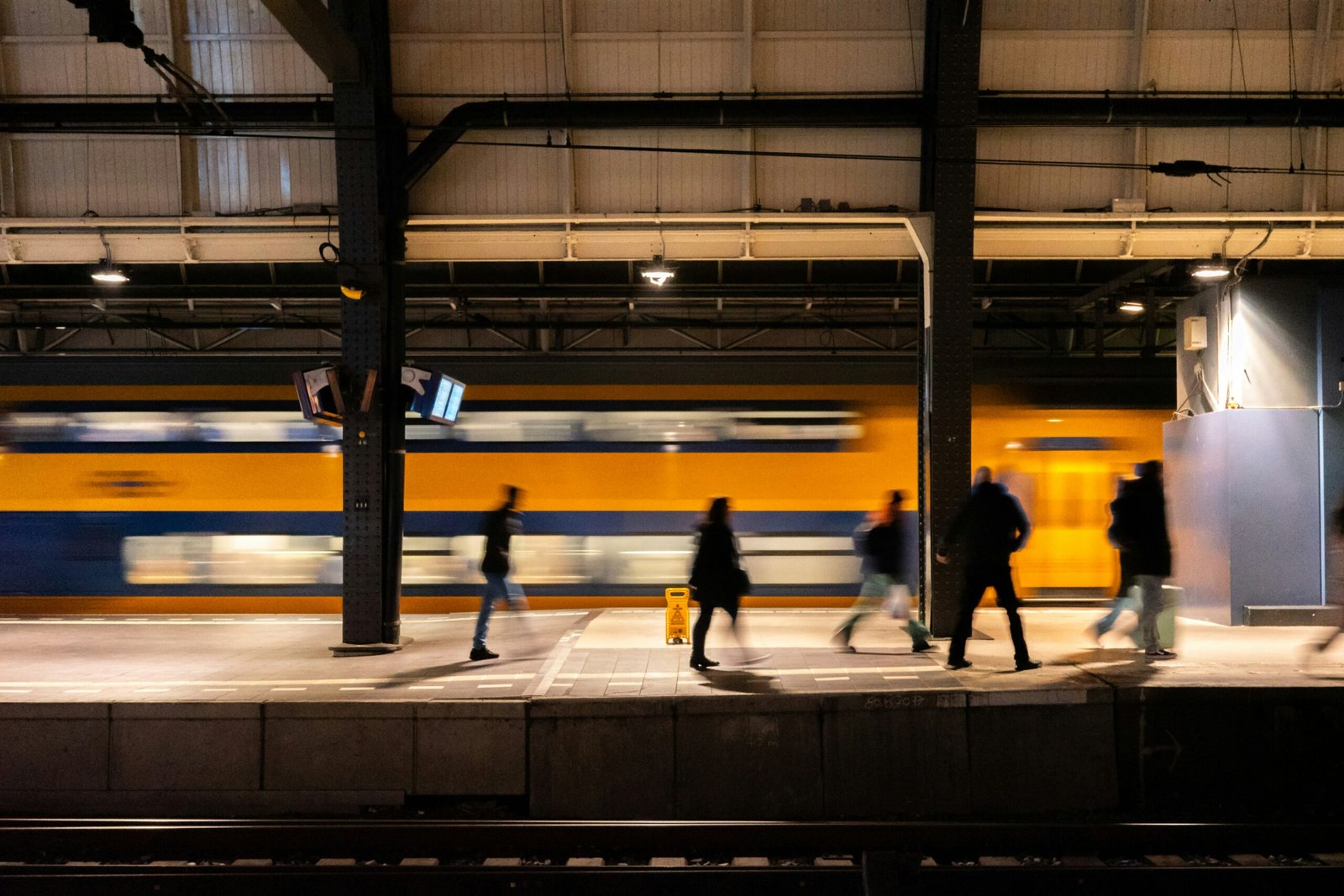
Photo by Martijn Baudoin on Unsplash