Bus Rapid Transit (BRT) represents a transformative approach to urban transportation, combining the efficiency of rail systems with the flexibility of bus networks. The Division BRT project stands as a pivotal initiative designed to reshape how residents and commuters navigate Spokane’s transportation landscape. This ambitious undertaking addresses growing congestion, environmental concerns, and the need for reliable public transit infrastructure in the region.
The Vision Behind Division BRT
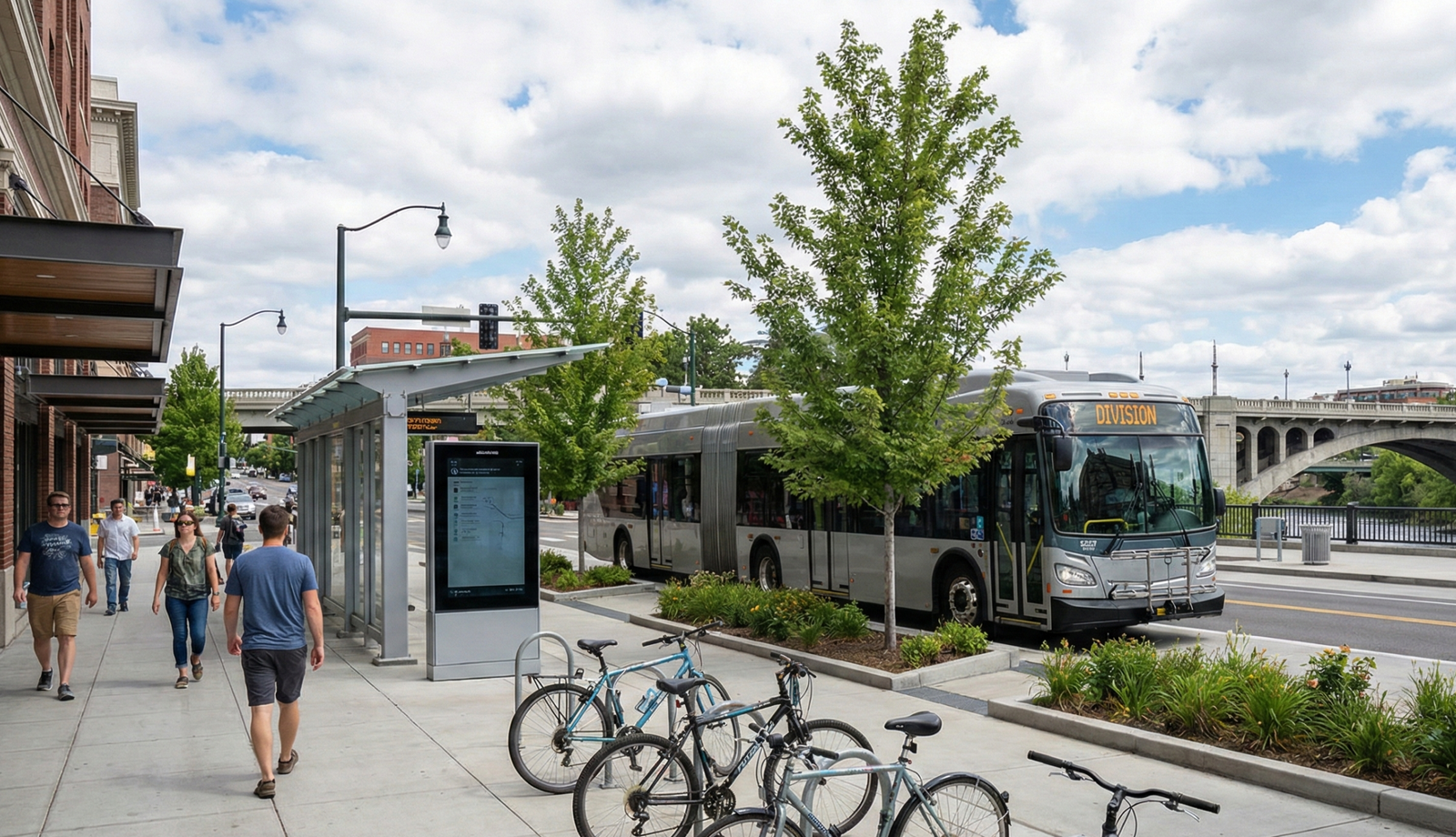
The Division BRT project embodies a comprehensive strategy to enhance mobility throughout Spokane. By introducing dedicated bus lanes, advanced signaling systems, and streamlined station infrastructure, the initiative aims to provide faster, more reliable transit options. This vision aligns with contemporary urban planning principles that prioritize sustainable transportation and community connectivity.
The project recognizes that effective public transportation serves as the backbone of thriving urban centers. Division BRT seeks to create a modern transit corridor that accommodates current demand while positioning Spokane for future growth and development.
Key Features of the Division BRT System
The Division BRT incorporates several innovative features designed to maximize efficiency and user experience:
- Dedicated Transit Lanes: Exclusive bus corridors minimize delays caused by traffic congestion and ensure consistent travel times.
- Modern Station Infrastructure: Purpose-built stations provide shelter, real-time arrival information, and accessible facilities for all users.
- Enhanced Frequency: Increased service intervals reduce wait times and improve overall accessibility for daily commuters.
- Level Boarding: Station platforms aligned with bus heights facilitate faster passenger boarding and alighting.
- Signal Priority Technology: Advanced traffic management systems provide buses priority at intersections, reducing travel times.
- Integrated Payment Systems: Modern fare collection methods streamline the boarding process and reduce operational delays.
Economic and Environmental Benefits
The Division BRT project delivers substantial benefits across multiple dimensions. From an environmental perspective, the system encourages modal shift from personal automobiles to public transit, reducing greenhouse gas emissions and improving air quality. This transition supports Spokane’s sustainability goals and contributes to broader climate action initiatives.
Economically, the project stimulates development opportunities along the transit corridor. Properties near BRT stations typically experience increased property values and attract new commercial investments. The improved accessibility also reduces household transportation costs for residents, particularly benefiting lower-income communities.
Impact on Community Connectivity
Effective transportation infrastructure strengthens community bonds and improves quality of life. The Division BRT enhances connectivity between residential neighborhoods, employment centers, educational institutions, and recreational facilities. This improved access creates opportunities for economic mobility, educational advancement, and social engagement.
The project prioritizes equity by ensuring that transit-dependent populations receive meaningful improvements to their mobility options. Enhanced service frequency and reliability directly benefit elderly residents, individuals with disabilities, and communities with limited vehicle access.
Implementation and Project Timeline
Successful transit projects require careful planning, coordination, and phased implementation. The Division BRT development incorporates community input, environmental assessments, and traffic studies to ensure optimal system design. Project timelines balance the urgency of addressing current transportation needs with the thoroughness required for sustainable infrastructure development.
Integration with Existing Transit Systems
Division BRT functions most effectively as part of a comprehensive regional transit network. Integration with existing bus routes, paratransit services, and future transit options creates seamless connectivity for users. This coordinated approach maximizes system efficiency and provides residents with flexible transportation choices.
Supporting Spokane’s Growth and Development
As Spokane continues to grow, transportation infrastructure must evolve to accommodate expanding populations and changing travel patterns. The Division BRT positions the city to manage growth sustainably while maintaining livability and economic vitality. Reliable transit systems attract businesses, talent, and investment, strengthening Spokane’s competitive position within the regional economy.
Conclusion: Building Spokane’s Transportation Future
The Division BRT represents more than a transit project—it embodies a commitment to creating a more connected, sustainable, and equitable Spokane. By investing in modern public transportation infrastructure, the community positions itself for long-term prosperity while addressing contemporary challenges related to congestion, emissions, and accessibility. The Division BRT stands ready to transform how Spokane residents move through their city, creating opportunities for economic growth, environmental stewardship, and enhanced quality of life for all community members.