
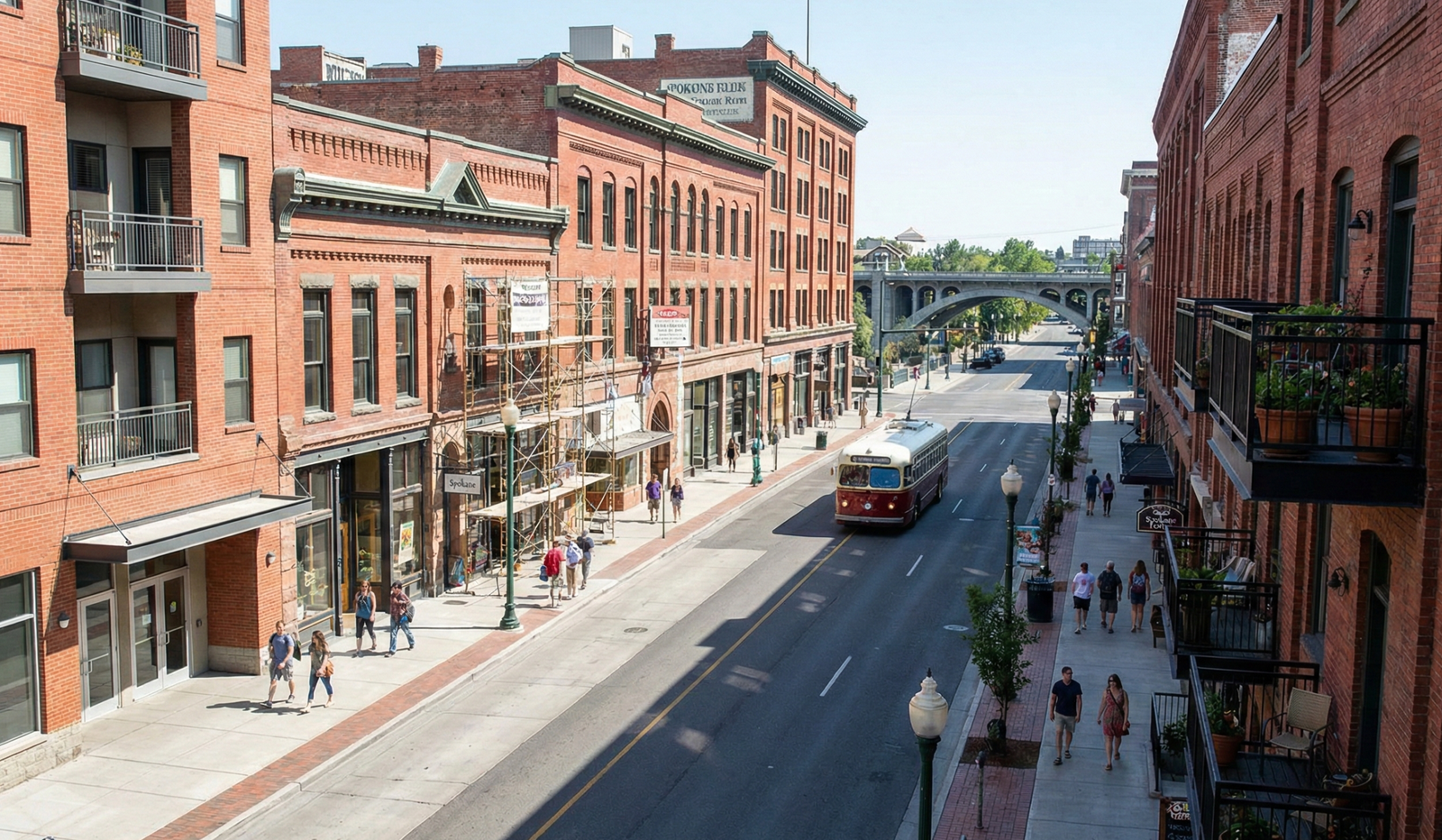
Downtown Spokane is experiencing a remarkable transformation as historic districts emerge as vibrant residential hubs. This revitalization represents a significant shift in urban development, bringing renewed energy to neighborhoods that have long been integral to the city’s cultural and architectural heritage. The convergence of preservation efforts, investment initiatives, and community engagement has positioned these districts as increasingly attractive places to live, work, and invest.
Understanding the Historic Appeal
The historic districts of Downtown Spokane offer residents a distinctive living experience characterized by architectural diversity, walkability, and cultural richness. These neighborhoods showcase buildings from various eras, reflecting the city’s industrial past and economic evolution. From Victorian-era structures to early twentieth-century commercial buildings, the architectural landscape tells the story of Spokane’s development and attracts those seeking authentic urban living environments.
The aesthetic qualities of historic districts provide an alternative to modern suburban developments. Residents benefit from tree-lined streets, pedestrian-friendly infrastructure, and proximity to cultural institutions that define contemporary urban living preferences.
Key Drivers of Residential Growth
Urban Revitalization Initiatives
Strategic revitalization projects have catalyzed residential growth in Downtown Spokane’s historic districts. Municipal investments in infrastructure improvements, streetscape enhancements, and public amenity development have created environments conducive to residential settlement. These initiatives prioritize walkability, sustainability, and community cohesion while preserving the architectural integrity that defines these neighborhoods.
Adaptive Reuse Development
Adaptive reuse projects convert vacant or underutilized historic structures into residential spaces, residential-mixed-use developments, and modern apartments. This approach preserves architectural heritage while meeting contemporary housing demands. Developers recognize the market potential of transforming warehouses, office buildings, and retail spaces into desirable residential properties that appeal to diverse demographic groups.
Economic Incentives and Support
Tax increment financing districts, historic preservation tax credits, and other economic incentives encourage investment in Downtown Spokane’s historic areas. These financial mechanisms reduce development costs and improve project feasibility, attracting both private developers and individual property owners to undertake renovation and adaptive reuse projects.
Demographic Shifts and Resident Profiles
The emerging residential populations in Downtown Spokane’s historic districts span multiple demographic categories. Young professionals seeking urban amenities, established families drawn to walkable neighborhoods, and empty nesters downsizing from suburban homes comprise a diverse resident base. This demographic diversity strengthens community vibrancy and supports local businesses, cultural institutions, and services.
Millennials and Generation Z residents particularly value historic districts’ authentic character, cultural offerings, and reduced reliance on automobiles. These preferences align with broader trends toward urban living and sustainable community development practices.
Amenities and Quality of Life Improvements
Enhanced residential appeal extends beyond historic architecture to encompass modern amenities and improved urban services. Downtown Spokane’s historic districts now feature:
- Fine dining restaurants and diverse food establishments
- Independent retail shops and boutique businesses
- Cultural venues including galleries, theaters, and performance spaces
- Parks, public gathering spaces, and recreational facilities
- Public transportation options and bike infrastructure
- Coffee shops, bookstores, and community gathering hubs
These amenities create complete neighborhoods where residents can meet daily needs within walking distance, reducing dependence on personal vehicles and enhancing quality of life.
Preservation and Development Balance
Successful revitalization in historic districts requires careful balance between preservation and contemporary development. Spokane’s approach emphasizes architectural guidelines that protect historic character while permitting necessary modernization of interior spaces and systems. Design review processes ensure new construction and renovations complement existing historic fabric.
Community stakeholder engagement ensures preservation priorities align with residential and commercial development needs. This collaborative approach maintains neighborhood authenticity while accommodating modern living requirements and economic development objectives.
Economic Impact and Local Business Growth
Residential growth in historic districts generates economic activity that extends throughout Downtown Spokane. Increased residential populations support retail establishments, restaurants, service providers, and entertainment venues. This economic activity creates employment opportunities, generates tax revenue, and improves overall district financial sustainability.
Local businesses benefit from enlarged customer bases and foot traffic while contributing to neighborhood character and community identity. The synergistic relationship between residential populations and commercial establishments creates self-reinforcing growth dynamics.
Challenges and Ongoing Considerations
While resurgence in historic districts presents significant opportunities, challenges remain. Rising property values and rents may create displacement pressures for existing residents and businesses. Balancing affordability with development costs requires intentional policies including affordable housing requirements, community land trusts, and anti-displacement initiatives.
Parking limitations in walkable districts necessitate creative solutions and cultural adaptation as residents increasingly embrace alternative transportation modes. Infrastructure capacity, including utilities and public services, requires ongoing assessment and investment to support population growth.
Future Outlook and Development Potential
Downtown Spokane’s historic districts demonstrate substantial potential for continued residential growth and economic development. Demographic trends favoring urban living, increasing recognition of historic preservation value, and strategic public and private investment suggest sustained momentum for residential revitalization.
Emerging mixed-use developments, residential conversion projects, and placemaking initiatives will likely continue transforming historic districts into thriving residential communities. Success depends on maintaining preservation commitments, managing growth responsibly, and ensuring benefits extend broadly throughout communities.
Conclusion
Downtown Spokane’s historic districts represent compelling examples of urban revitalization transforming underutilized neighborhoods into vibrant residential hubs. The convergence of preservation efforts, economic development initiatives, and market demand has established these districts as increasingly desirable places to reside. As this transformation continues, careful stewardship of historic character combined with responsive urban development can create communities that honor the past while embracing contemporary urban living. The resurgence of Downtown Spokane’s historic districts reflects broader recognition that authentic, walkable, culturally rich neighborhoods offer compelling alternatives to conventional suburban development patterns.