The Pacific Northwest region surrounding Spokane, Washington, has long been celebrated for its abundant natural resources and culinary traditions. Among these treasures, the huckleberry stands as a regional icon that defines the seasonal food culture of the area. Huckleberry season represents far more than a simple harvest; it embodies a cherished tradition that connects local communities, preserves indigenous food practices, and shapes the contemporary culinary landscape of Spokane and its surrounding communities.
Understanding the Huckleberry: A Native Treasure
Huckleberries are small, dark berries that grow naturally throughout the forests and mountainous regions of the Pacific Northwest. These indigenous fruits have been harvested for thousands of years by Native American tribes who recognized their nutritional value and culinary versatility. The berries possess a distinctive sweet-tart flavor profile that distinguishes them from commercial blueberries, offering a more complex and nuanced taste experience.
Several species of huckleberries thrive in the Spokane region, with red huckleberries and black huckleberries being the most prevalent. The black huckleberry, in particular, has become synonymous with the region’s seasonal offerings. These berries grow in the subalpine and alpine zones of local forests, requiring specific environmental conditions that make them uniquely suited to the Pacific Northwest climate.
The Seasonal Cycle and Harvest Traditions
Huckleberry season typically arrives in late summer and extends into early fall, with peak harvest occurring in August and September. During this period, the Spokane region experiences a cultural phenomenon as residents and visitors venture into local forests to participate in the traditional berry-picking experience. This seasonal activity has become deeply embedded in the regional identity and continues traditions that span generations.
The harvest process remains largely unchanged from historical practices. Families and groups set out into designated forested areas with buckets and containers, spending hours carefully selecting ripe berries from the low-growing bushes. This hands-on approach to food acquisition fosters a direct connection between consumers and the natural landscape while supporting sustainable harvesting practices that preserve the ecosystem for future seasons.
Culinary Applications and Local Cuisine
Spokane’s culinary community has embraced huckleberries as a versatile ingredient that elevates both traditional and innovative dishes. Local restaurants, bakeries, and home cooks incorporate huckleberries into diverse preparations, showcasing the berry’s adaptability across multiple culinary contexts.
Sweet Preparations
The most common culinary applications involve desserts and sweet preparations. Huckleberry pies represent the quintessential regional dessert, featuring tart-sweet berries nestled within flaky pastry crusts. Beyond traditional pie, local bakeries craft huckleberry jams, preserves, cobblers, and crisps that capture the season’s essence and extend its flavors throughout the year. Huckleberry cheesecakes, tarts, and custards have become signature offerings at Spokane’s finest establishments.
Savory and Contemporary Uses
Modern culinary innovation has expanded huckleberry applications beyond traditional sweet dishes. Contemporary chefs incorporate huckleberries into glazes for wild game, create sophisticated sauces that complement duck and pork, and develop savory-sweet preparations that challenge conventional flavor expectations. Huckleberry vinegars and reductions add complexity to salad dressings and meat-based sauces, demonstrating the berry’s versatility across culinary disciplines.
Economic Impact on the Spokane Region
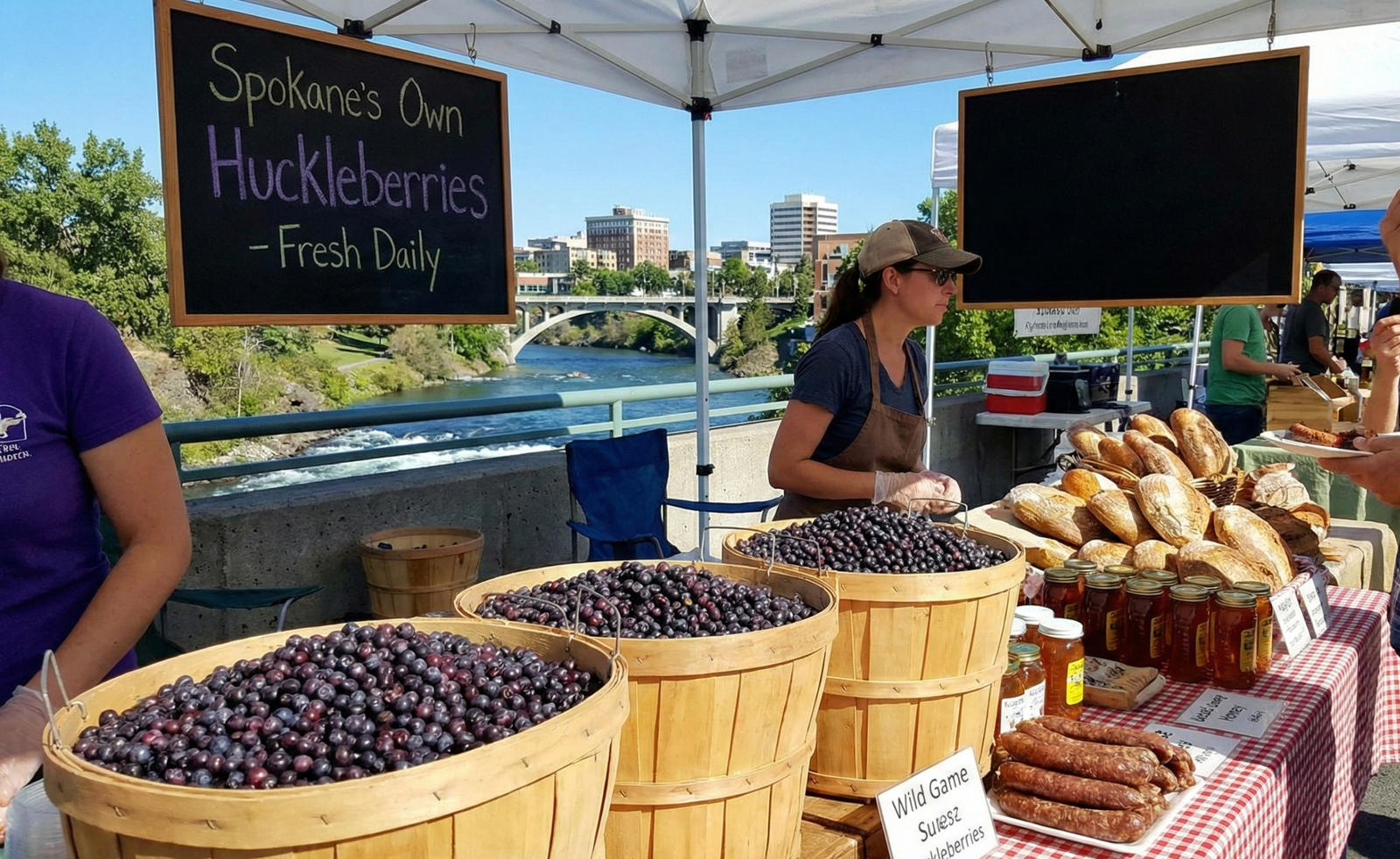
The huckleberry harvest generates significant economic activity within Spokane and surrounding areas. Commercial pickers supply local restaurants, farmers’ markets, and specialty food producers with fresh berries during peak season. The demand for huckleberry products supports employment in harvesting, processing, and retail sectors, while agritourism ventures capitalize on visitors seeking authentic seasonal experiences.
Restaurants and food establishments featuring huckleberry-focused menus attract culinary tourists and generate increased foot traffic during huckleberry season. This seasonal economic boost supports local businesses and reinforces Spokane’s reputation as a destination for authentic regional cuisine and agricultural heritage.
Preservation and Sustainability Considerations
As interest in huckleberry harvesting has increased, environmental stewardship has become increasingly important. Local forestry agencies and conservation organizations work to ensure that harvesting practices remain sustainable and do not damage the delicate ecosystems that support wild huckleberry populations. Education programs emphasize responsible harvesting techniques that preserve berry-producing bushes and maintain forest health.
Commercial operations and home harvesters are encouraged to follow ethical guidelines that include obtaining proper permits, harvesting only from designated areas, and employing techniques that minimize environmental impact. These efforts ensure that huckleberry season remains a viable tradition for future generations of Spokane residents.
Cultural Significance and Community Connection
Beyond its culinary and economic dimensions, huckleberry season embodies profound cultural significance for the Spokane region. The seasonal tradition connects contemporary residents with indigenous heritage, honors traditional ecological knowledge, and fosters community bonds through shared participation in the harvest. Families establish huckleberry-picking traditions that pass cultural knowledge and regional identity to younger generations.
Community events and festivals celebrating huckleberries bring residents together and reinforce the berry’s importance within local identity. These gatherings serve as vehicles for cultural preservation while promoting appreciation for regional biodiversity and seasonal food systems.
Conclusion: Spokane’s Culinary Treasure
Huckleberry season represents a distinctive and valuable expression of Spokane’s regional culinary identity. These native berries connect the contemporary food culture to historical traditions, environmental stewardship, and community heritage. From traditional harvesting practices to innovative culinary applications, huckleberries exemplify the region’s commitment to celebrating local, seasonal foods while maintaining sustainable relationships with the natural landscape. As Spokane continues to gain recognition as a culinary destination, huckleberries remain the quintessential ingredient that defines the region’s authentic food culture and seasonal traditions.