The city of Spokane carries a deep Indigenous legacy that predates modern settlement by thousands of years. Long before streets, bridges, and neighborhoods were mapped, the land was home to Native Plateau tribes whose language, culture, and relationship to the environment shaped the region. Today, many of Spokane’s place names quietly preserve this history, embedding Indigenous identity into the city’s everyday geography.
The Indigenous Roots of the Spokane Place
Spokane sits within the traditional homelands of the Spokane Tribe of Indians, part of the broader Plateau culture of the Inland Northwest. Plateau tribes lived in seasonal cycles, following rivers, fish runs, roots, and game rather than settling in permanent villages year-round. The Spokane River served as a central lifeline, providing salmon, trade routes, and spiritual significance.
The word “Spokane” itself comes from a Salish term meaning “children of the sun.” This name reflects not only the people who lived here but also their worldview, one deeply tied to nature, balance, and community.
Rivers and Landmarks as Living History
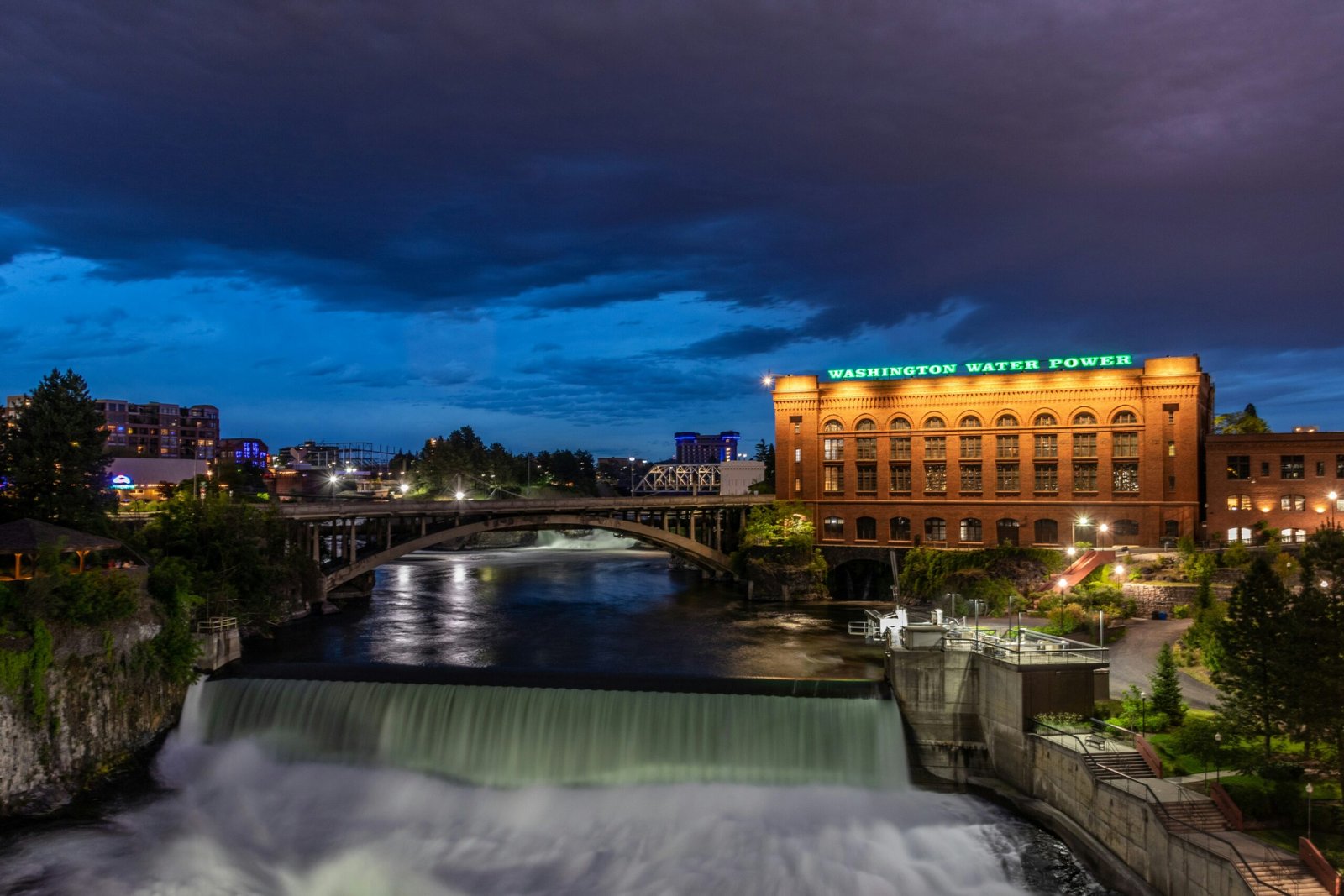
Many of Spokane’s natural features retain Indigenous names or meanings tied to Native languages. The Spokane River, which runs directly through downtown, was once known for its fishing sites and gathering places. Locations such as Spokane Falls were central to tribal life long before becoming urban landmarks.
Nearby geographic names, including rivers, valleys, and plateaus across Eastern Washington, often derive from Salish or Sahaptin languages. These names describe physical characteristics of the land, animal behavior, or spiritual significance, offering insight into how Indigenous peoples understood and navigated their environment.
Place Names That Reflect Indigenous Language and Use
Beyond natural features, Indigenous influence can be found in regional place names connected to daily life. Names tied to fishing grounds, root-digging areas, and travel routes remain part of modern maps. While some names have been anglicized or altered over time, their origins still point back to Native knowledge systems.
Even when Indigenous words are no longer fully understood by residents, their presence serves as a reminder that modern infrastructure was built atop established cultural landscapes. Roads, neighborhoods, and public spaces often follow paths that Native communities used for centuries.
The Impact of Colonization on Naming and Memory
As settlers arrived in the 19th century, many Indigenous place names were replaced or modified. Some locations were renamed after explorers, military figures, or developers, while others retained fragments of their original Native names. This process often erased cultural context, separating names from their deeper meanings.
However, efforts to reclaim and recognize Indigenous naming have grown in recent decades. Tribal governments, historians, and educators continue to document original place names and advocate for their inclusion in public spaces, signage, and educational materials.
Preserving Indigenous Identity in a Modern City
Today, Spokane is increasingly acknowledging its Indigenous roots. Cultural centers, public art, land acknowledgments, and educational programs highlight Native Plateau history and its continued relevance. Modern residents encounter Indigenous culture not only in museums or textbooks but in the very names of the places they live, work, and gather.
These place names serve as living history. They connect the present-day city to generations of Native people who shaped the land long before modern development.
Why Indigenous Place Names Still Matter
Understanding the Indigenous origins of Spokane place names deepens appreciation for the region’s history and identity. These names remind residents and visitors that the city exists within a much older story, one defined by stewardship, resilience, and connection to the land. By recognizing and respecting these linguistic and cultural traces, Spokane honors the Native Plateau peoples whose presence continues to shape the region today.
Photo by Clay Elliot on Unsplash