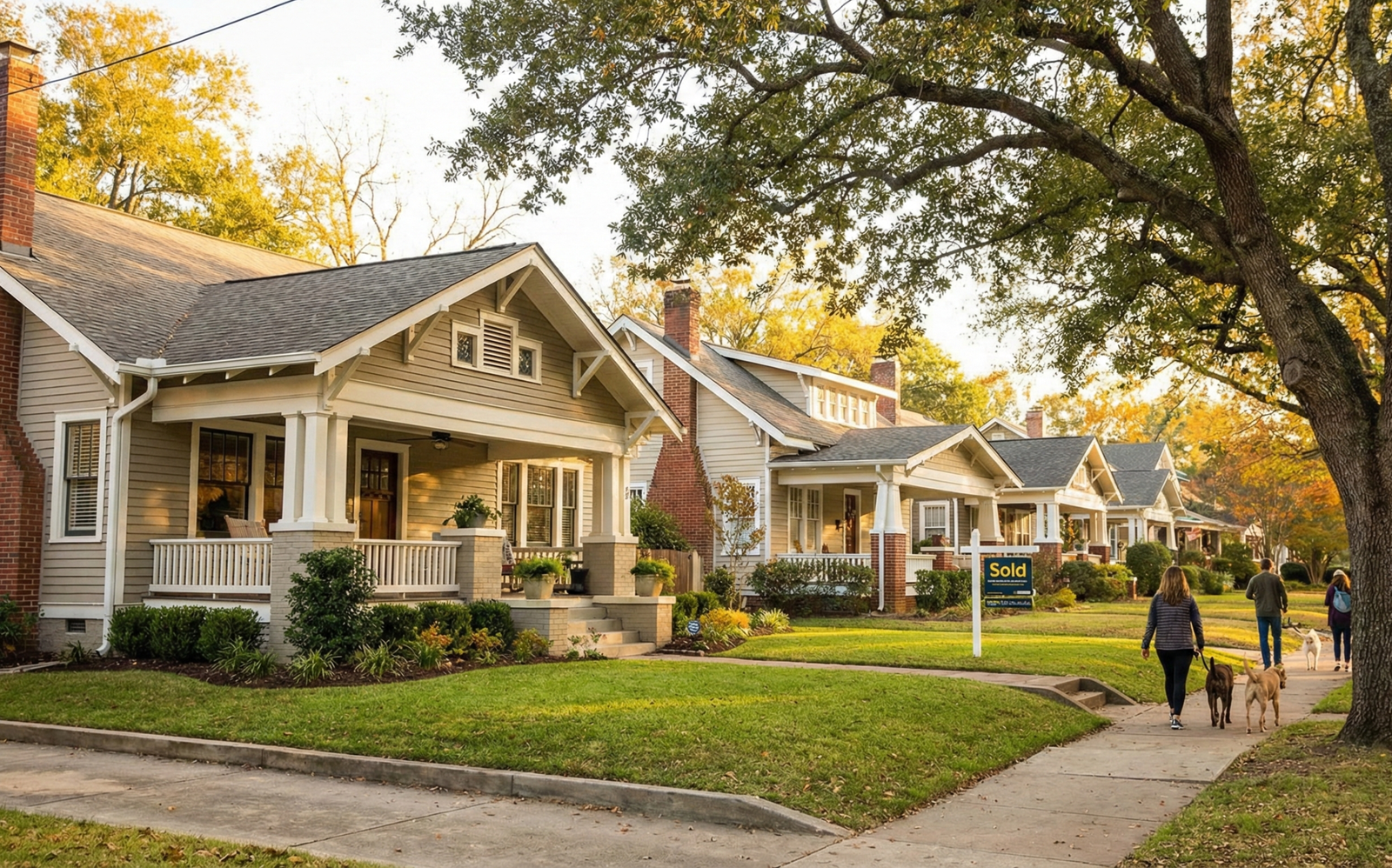
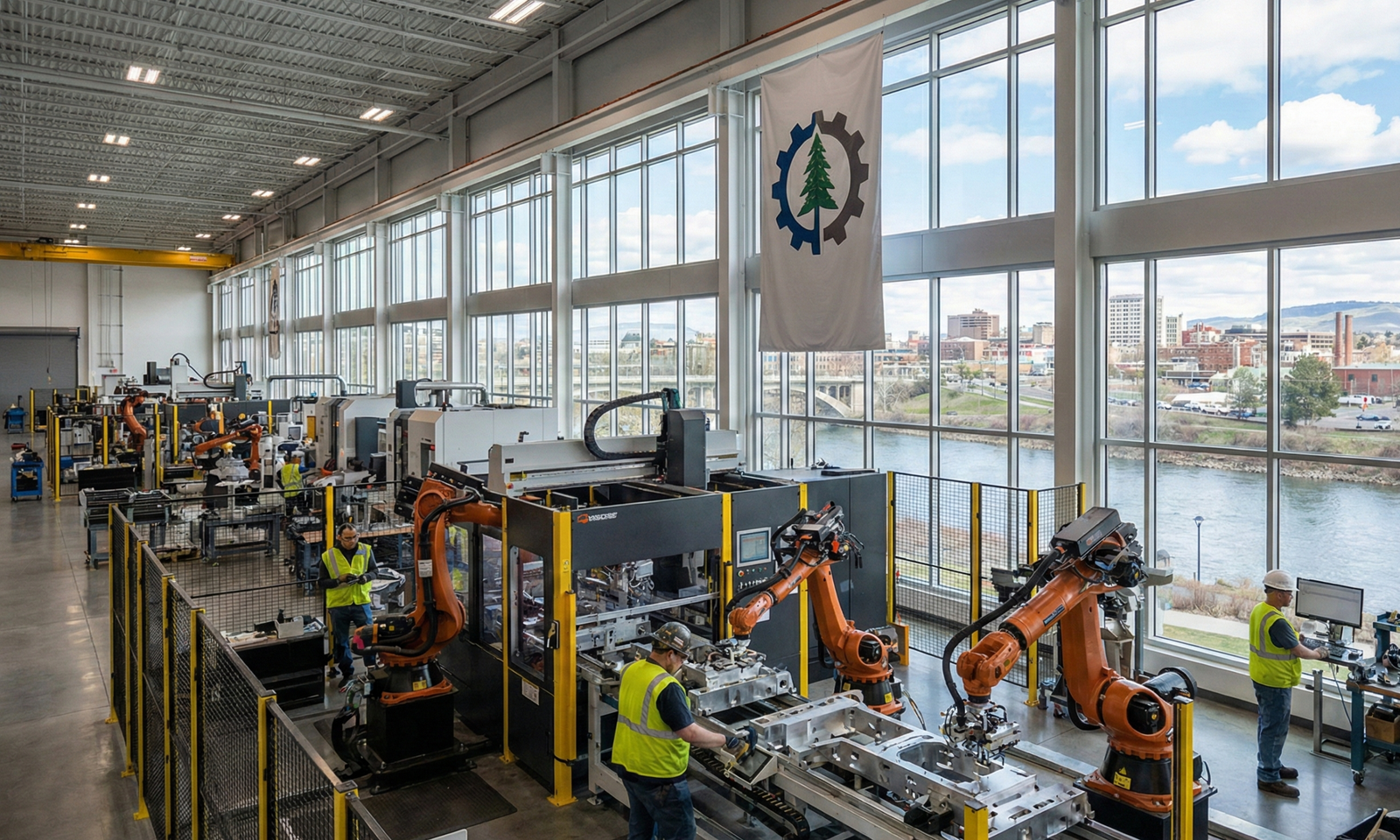
For decades, manufacturing in the United States experienced a steady decline in inland cities, with production facilities migrating to coastal regions or overseas. However, a significant shift is underway. Cities like Spokane, Washington, are witnessing a remarkable resurgence of manufacturing activity, driven by changing economic factors, technological advancements, and strategic business decisions that are reshaping the industrial landscape of America’s heartland.
Why Manufacturing Is Returning to Spokane and Similar Cities
The return of manufacturing jobs to inland cities represents a fundamental shift in how American businesses evaluate location decisions. Several key factors are driving this trend:
- Lower Operating Costs: Inland cities offer significantly lower real estate prices, labor costs, and operational expenses compared to coastal metropolitan areas, improving profit margins for manufacturers.
- Abundant Workforce: Cities like Spokane provide access to skilled workers and emerging talent pools seeking employment opportunities in their home regions.
- Infrastructure Development: Improved transportation networks, broadband connectivity, and utility infrastructure have made inland cities increasingly viable for modern manufacturing operations.
- Supply Chain Resilience: Recent global disruptions have prompted companies to diversify their supply chains and establish production closer to domestic markets.
- Tax Incentives: State and local governments are offering competitive tax breaks and economic development programs to attract manufacturing enterprises.
Spokane’s Growing Manufacturing Sector
Spokane has emerged as a particularly attractive destination for manufacturing investment. The city’s strategic location in the Pacific Northwest, combined with its business-friendly environment and quality of life, has attracted companies across diverse industries including aerospace components, food processing, advanced materials, and technology manufacturing.
Local economic development organizations have played a crucial role in marketing the region and facilitating business partnerships. These efforts have resulted in job creation that extends beyond the manufacturing sector itself, generating secondary employment in logistics, transportation, and professional services.
Economic Impact and Job Creation
The return of manufacturing to inland cities like Spokane carries substantial economic implications for regional development:
- Direct job creation in manufacturing facilities and related support industries
- Increased tax revenue for local and state governments
- Growth in ancillary services including transportation, warehousing, and specialized equipment suppliers
- Enhanced property values and commercial real estate development
- Improved worker wages and benefits in the regional economy
The Role of Technology and Innovation
Modern manufacturing is increasingly technology-driven, incorporating automation, artificial intelligence, and advanced robotics. Inland cities are positioning themselves as innovation hubs by investing in technical education, workforce development programs, and partnerships with universities and research institutions. This tech-forward approach makes these regions attractive to manufacturers seeking cutting-edge capabilities without the premium costs associated with established coastal industrial centers.
Challenges and Considerations
While the manufacturing renaissance in inland cities presents significant opportunities, certain challenges remain. Companies must address workforce training needs, ensure adequate infrastructure for specialized operations, and navigate regulatory requirements. Additionally, competition among inland cities for manufacturing investment remains fierce, requiring sustained commitment to business development initiatives and quality-of-life improvements.
The Future Outlook for Inland Manufacturing
The trend of manufacturing returning to inland cities like Spokane appears positioned for continued growth. As companies prioritize supply chain diversification, operational efficiency, and workforce stability, inland regions offer compelling value propositions. Continued investment in infrastructure, education, and business support services will be essential to maintaining this competitive advantage.
The manufacturing comeback in America’s inland cities represents more than economic statistics and job numbers. It signifies a rebalancing of industrial activity that promises to revitalize communities, create sustainable employment opportunities, and strengthen the nation’s economic resilience. For cities like Spokane, this renaissance offers a pathway to long-term prosperity and renewed significance in the American manufacturing landscape.