The rise of remote work has reshaped where people choose to live. As employees gain the flexibility to work from anywhere, many are leaving expensive coastal metros in search of more affordable, livable alternatives. Secondary cities across the United States are emerging as remote work hubs, offering a compelling mix of lower costs, strong infrastructure, and a high quality of life. These cities are increasingly attracting professionals from major coastal markets who want balance without sacrificing opportunity.
Why Coastal Workers Are Rethinking Big Cities
For years, cities like San Francisco, New York City, and Seattle dominated career growth, especially in tech and knowledge-based industries. However, rising housing costs, congestion, and lifestyle burnout have made these metros less appealing. Remote work has removed the need to live near corporate headquarters, allowing professionals to prioritize affordability, space, and well-being.
Secondary cities now benefit from this shift, as they provide many urban amenities without the pressures associated with major coastal centers.
What Defines a Secondary City Remote Work Hub
Secondary cities are typically mid-sized metros with growing economies, reliable infrastructure, and access to healthcare, education, and cultural amenities. They are large enough to support professional networks and coworking spaces, yet small enough to offer shorter commutes and stronger community connections.
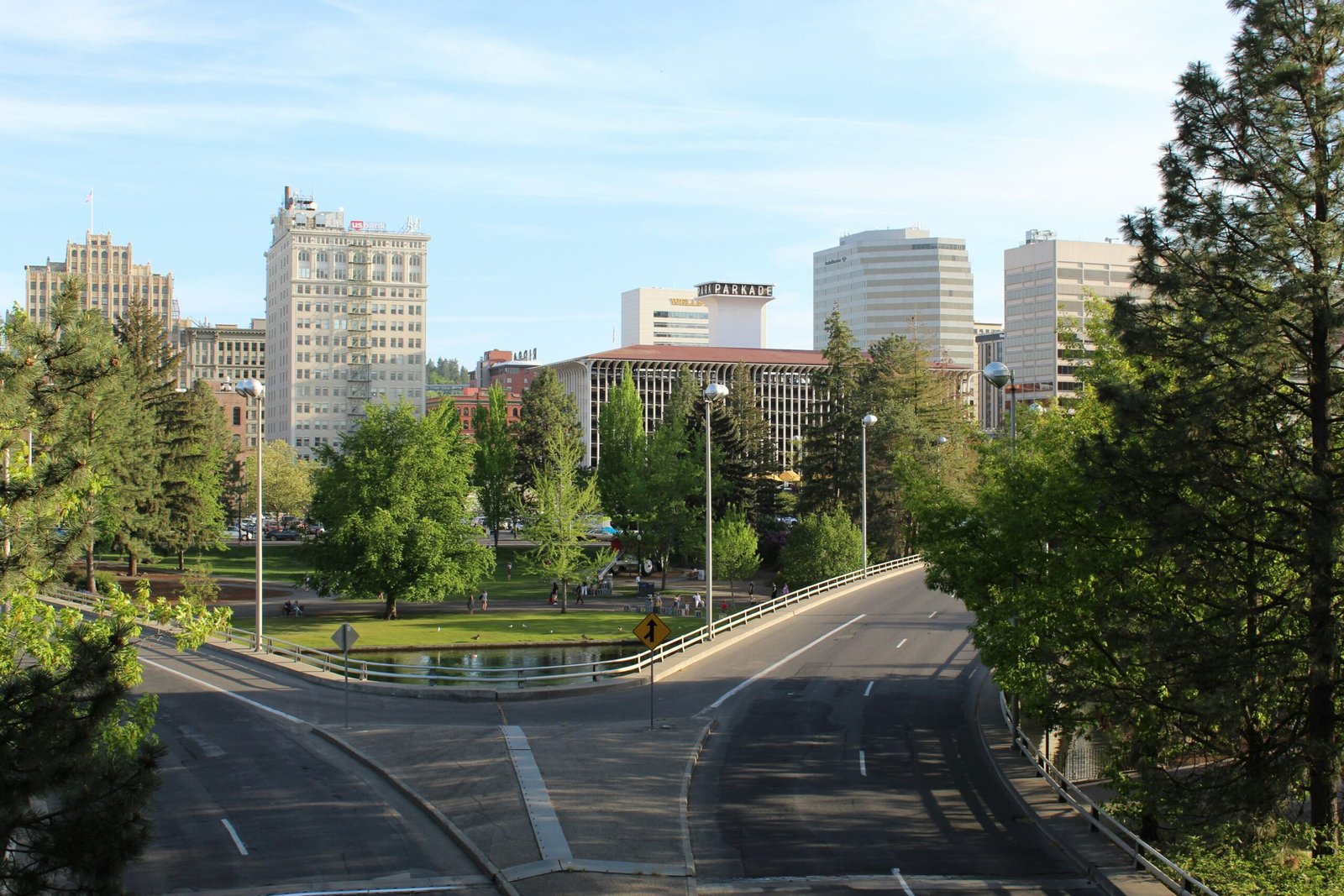
Cities such as Spokane, Boise, Raleigh, and Madison have become popular among remote workers seeking affordability and livability. These locations often feature growing downtowns, access to nature, and expanding housing options.
Affordability and Housing as Key Drivers
One of the strongest reasons coastal transplants move to secondary cities is the cost of living. Housing prices are significantly lower, making homeownership achievable for many who were previously priced out of coastal markets. Renters also benefit from larger living spaces and reduced monthly expenses.
Lower costs extend beyond housing. Utilities, transportation, childcare, and everyday expenses tend to be more manageable, allowing remote workers to save more or invest in lifestyle upgrades such as home offices or flexible travel.
Infrastructure That Supports Remote Work
Secondary cities attracting remote workers are investing in digital infrastructure. High-speed internet, coworking spaces, and remote-friendly business environments are now common priorities. Libraries, cafés, and mixed-use developments increasingly cater to professionals who work outside traditional offices.
Local governments and economic development groups also recognize the value of remote workers. Many cities now offer relocation incentives, networking programs, and startup support to encourage long-term residency and community engagement.
Lifestyle Balance and Community Appeal
Beyond affordability, secondary cities offer a lifestyle that appeals to remote professionals. Access to parks, trails, and outdoor recreation is often immediate rather than a weekend destination. Commutes are shorter, traffic is lighter, and daily life feels less rushed.
Community engagement is another draw. Smaller cities tend to foster stronger neighborhood connections, local business support, and a greater sense of belonging. For many coastal transplants, this social stability is a major upgrade from the anonymity of larger metros.
Long-Term Impact on Secondary Cities
As remote workers continue relocating, secondary cities are experiencing population growth, increased housing demand, and evolving cultural scenes. While this brings economic opportunity, it also requires thoughtful planning to preserve affordability and infrastructure capacity.
When managed carefully, the influx of remote workers can strengthen local economies, diversify talent pools, and support sustainable urban growth.
A Lasting Shift in Where Work and Life Intersect
Remote work has permanently changed how people think about location. Secondary cities are no longer seen as compromises but as strategic choices for professionals seeking balance, affordability, and opportunity. As coastal transplants continue to explore alternatives, these emerging remote work hubs are shaping the future of where and how people choose to live
Photo by Alicia Christin Gerald on Unsplash