Riverfront dining establishments have long served as cultural landmarks where gastronomy intersects with geography and heritage. These venues offer patrons a distinctive combination of culinary excellence and scenic natural beauty, creating memorable experiences that extend far beyond traditional dining. The convergence of local history, architectural character, and riverside settings makes these restaurants particularly appealing to both residents and visitors seeking authentic connections to their communities.
Historical Significance of Riverside Establishments
Many riverfront restaurants occupy buildings with substantial historical importance. These structures frequently served critical functions in their communities’ development, from functioning as trading posts and warehouses to operating as commercial hubs during periods of significant economic activity. The preservation of these spaces maintains tangible connections to regional heritage while supporting the revitalization of historic districts.
The adaptation of historic riverfront properties into dining venues demonstrates thoughtful urban renewal practices. Restaurant operators often invest considerable resources in maintaining architectural integrity while modernizing facilities to meet contemporary culinary and service standards. This delicate balance ensures that historical character remains visible and appreciated by diners.
Scenic Views and Natural Surroundings
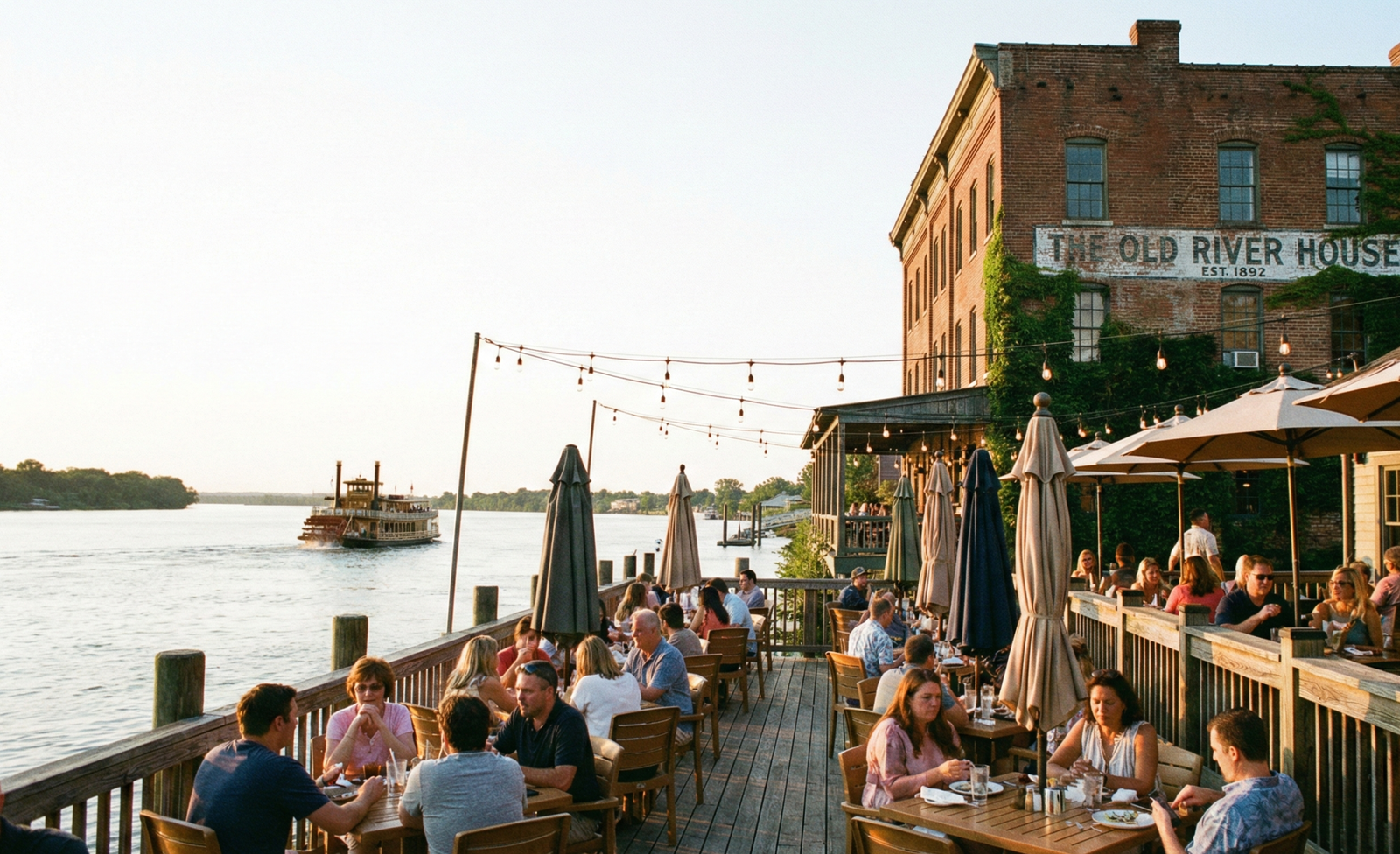
The primary appeal of riverfront dining extends beyond interior ambiance to encompass expansive views of natural waterways. Establishments positioned along rivers, creeks, and waterfront areas offer visual engagement with flowing water, native vegetation, and seasonal environmental changes. These scenic elements contribute significantly to the overall dining experience, influencing customer satisfaction and establishing emotional connections with the location.
- Natural lighting from waterside locations enhances the dining atmosphere throughout various times of day
- Seasonal variations provide diverse visual experiences across different months and years
- Water features create calming environmental conditions that support relaxation during meals
- Wildlife observation opportunities add educational and entertainment value to dining visits
Local Culinary Traditions and Regional Ingredients
Riverfront restaurants frequently emphasize regional cuisine and locally-sourced ingredients, strengthening connections between dining establishments and their surrounding communities. Proximity to waterways historically influenced local food production, fishing practices, and agricultural development, creating distinct regional culinary traditions. Contemporary riverfront restaurants honor these connections by featuring ingredients and dishes rooted in local heritage.
The commitment to local sourcing supports regional farmers, producers, and suppliers while providing diners with fresh, seasonally-appropriate offerings. This practice enhances food quality, reduces environmental impact through decreased transportation distances, and contributes to sustainable local economies.
Architectural Features and Interior Design
Historic riverfront buildings present distinctive architectural characteristics that inform restaurant design decisions. Many establishments showcase original structural elements including exposed brick, timber framing, historic flooring, and period-appropriate fixtures. Integration of these features into modern dining spaces creates environments that educate patrons about regional building traditions while providing aesthetic appeal.
Design considerations in historic riverfront restaurants must balance preservation with functionality. Large windows strategically positioned to maximize water views, outdoor seating areas that extend the dining experience into natural settings, and versatile interior layouts accommodate diverse service requirements while maintaining historical character.
Community Gathering Spaces and Cultural Impact
Riverfront dining establishments function as more than commercial enterprises; they serve as community gathering spaces where cultural exchange occurs. These venues frequently host local events, support regional artists, and provide platforms for cultural expression. The role of riverfront restaurants in community life contributes to civic identity and social cohesion.
- Event hosting supports local musicians, artists, and entertainers
- Community partnerships strengthen connections between restaurants and neighborhood organizations
- Historical interpretive programming educates patrons about regional heritage
- Employment opportunities contribute to local economic development
Sustainable Practices in Historic River Communities
Contemporary riverfront dining establishments increasingly implement sustainable operational practices. These efforts address environmental concerns specific to riverside locations, including water quality protection, habitat preservation, and responsible waste management. Restaurants positioned along waterways demonstrate particular awareness of their environmental responsibilities to these sensitive ecosystems.
Sustainability initiatives within riverfront restaurants often include renewable energy implementation, water conservation measures, waste reduction programs, and commitment to responsibly-managed seafood sourcing. These practices reflect recognition of the interconnection between business operations and environmental stewardship.
Visitor Experience and Economic Contribution
Riverfront dining venues attract visitors from diverse geographic origins, contributing significantly to local tourism economies. The combination of historical interest, scenic appeal, and quality culinary offerings creates compelling reasons for visitors to explore communities. Economic benefits extend beyond direct restaurant revenue to encompass spending in complementary businesses, accommodation facilities, and retail establishments.
The preservation of riverfront dining establishments supports long-term community prosperity through job creation, tax revenue generation, and property value stabilization in historic districts. Investment in maintaining and enhancing these venues yields returns that extend throughout broader community economic systems.
Planning Your Riverfront Dining Experience
Visitors and residents planning to dine at riverfront establishments benefit from understanding specific venue characteristics, including historical background, menu specializations, and seasonal considerations. Many restaurants provide detailed information regarding accessibility, reservation policies, and optimal timing for scenic viewing experiences.
Weather conditions, seasonal lighting variations, and local event calendars influence the quality of dining experiences at riverfront locations. Strategic planning ensures visitors maximize the unique benefits offered by these distinctive venues while respecting operational requirements and environmental conditions.
Conclusion
Riverfront dining establishments represent valuable intersections of culinary excellence, historical preservation, and environmental appreciation. These venues honor regional heritage while serving contemporary communities through quality dining experiences, economic contribution, and cultural programming. The enduring appeal of riverside restaurants reflects fundamental human preferences for natural beauty, historical connection, and communal gathering. Supporting these establishments contributes to broader community sustainability, heritage preservation, and economic vitality within riverside communities.