
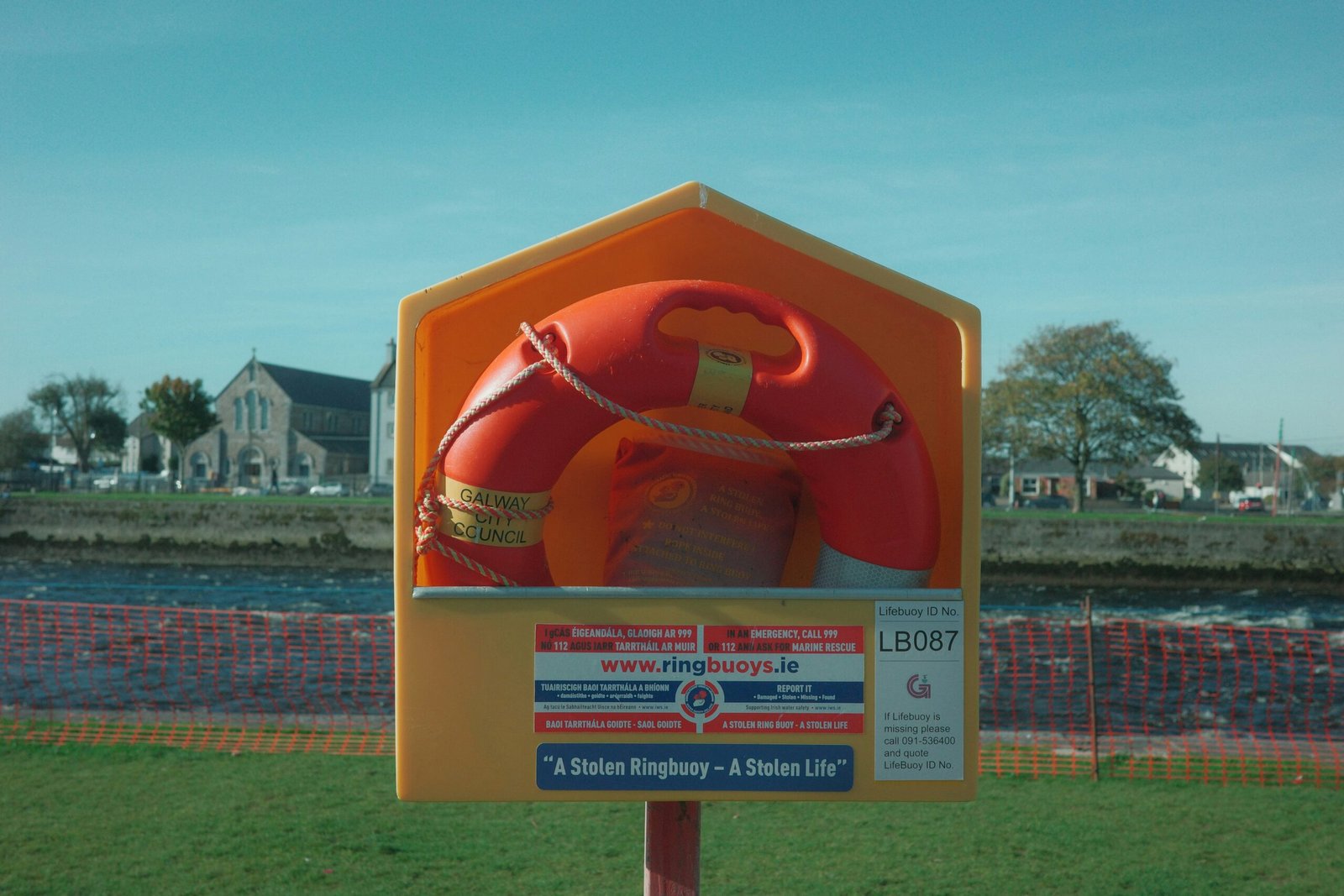
Urban rivers and waterways add beauty, recreation, and economic value to cities. From scenic riverwalks to waterfront dining and nightlife, these areas attract residents and visitors well into the evening. However, once daylight fades, urban waterways can become significantly more dangerous. Reduced visibility, environmental hazards, and human behavior all contribute to an increased risk of drowning after dark. Understanding these risks is essential for individuals, city planners, and communities working to keep waterfront areas safe.
Why Drowning Risks Increase at Night
One of the most significant dangers near urban rivers after dark is limited visibility. Even familiar pathways can become difficult to navigate in low light. Edges of riverbanks, docks, and walkways may blend into the surrounding environment, making it harder to judge distances or recognize hazards.
Reflections from water, glare from nearby lighting, and shadows can further distort depth perception. In some areas, uneven pavement, slippery surfaces, or sudden drop-offs may not be visible at all. These conditions increase the likelihood of accidental slips and falls into the water.
The Role of Alcohol and Nighttime Activity
Alcohol consumption is a common factor in many nighttime water-related incidents. Waterfront areas often host bars, restaurants, festivals, and social events, which can lead to impaired judgment and slower reaction times. People under the influence may underestimate how close they are to the water or overestimate their ability to maintain balance on docks or river edges.
In addition to alcohol, fatigue and distraction also play a role. Late-night socializing, phone use, and crowded environments can reduce situational awareness, increasing the risk of accidental entry into the water.
Environmental Hazards in Urban Waterways
Urban rivers present unique physical dangers that are often underestimated. Strong currents, sudden changes in depth, and submerged debris can make self-rescue extremely difficult. At night, individuals who fall into the water may struggle to orient themselves or locate a safe exit point.
Cold water temperatures are another serious risk. Even in warmer months, rivers can cause cold shock, which affects breathing and muscle control within seconds. This reaction significantly reduces survival time, particularly when combined with darkness and disorientation.
Infrastructure and Design Challenges
Infrastructure plays a critical role in nighttime river safety. Poor lighting, lack of guardrails, and unclear walking paths increase the likelihood of accidents. In areas where waterfront development prioritizes aesthetics over safety, protective barriers and warning signage may be limited or absent.
Cities that invest in well-lit pathways, railings, non-slip surfaces, and visible safety equipment such as life rings reduce drowning risks significantly. Emergency call stations and clearly marked access points for first responders also improve outcomes when incidents occur.
The Importance of Public Awareness and Education
Public awareness is just as important as physical infrastructure. Many people underestimate how dangerous urban waterways can be after dark, especially if they do not plan to enter the water. Educational campaigns that highlight nighttime risks, cold water dangers, and the effects of alcohol near water can influence safer behavior.
Clear signage reminding people to stay back from edges, avoid swimming at night, and use designated walkways helps reinforce safety messages. Community events, businesses, and waterfront venues can also play a role by promoting safe transportation options and well-lit routes.
Creating Safer Urban Waterfronts
Reducing drowning risks in urban waterways requires a combined effort. City planners, local businesses, emergency responders, and residents all share responsibility for safety. Regular maintenance, thoughtful design, active monitoring, and community engagement make waterfront areas safer without limiting their enjoyment. Urban rivers can remain vibrant social spaces after dark, but only when safety is treated as a priority. By recognizing risks and taking proactive measures, cities can protect lives while preserving the value and beauty of their waterways.