Introduction to Winter Tourism Development
Winter cities around the globe face a unique challenge: transforming the cold season from a period of economic decline into a thriving opportunity for year-round tourism. As global travel patterns evolve and visitors increasingly seek authentic seasonal experiences, cold-weather communities have begun implementing strategic initiatives to capitalize on winter’s distinctive appeal. This transformation requires thoughtful planning, infrastructure investment, and a commitment to diversifying offerings beyond traditional summer attractions.
Understanding the Winter Tourism Market
The winter tourism sector has experienced significant growth over the past decade, with travelers actively seeking destinations that offer authentic cold-weather experiences. Winter sports enthusiasts, cultural festival attendees, and adventure seekers represent a diverse market willing to travel specifically during colder months. Understanding this demographic and their preferences is essential for cities looking to build sustainable year-round tourism.
Cold-weather destinations can attract visitors through multiple channels, including:
- Alpine skiing and winter sports facilities
- Seasonal cultural festivals and events
- Winter wildlife viewing opportunities
- Northern lights and astronomical experiences
- Traditional winter holiday celebrations
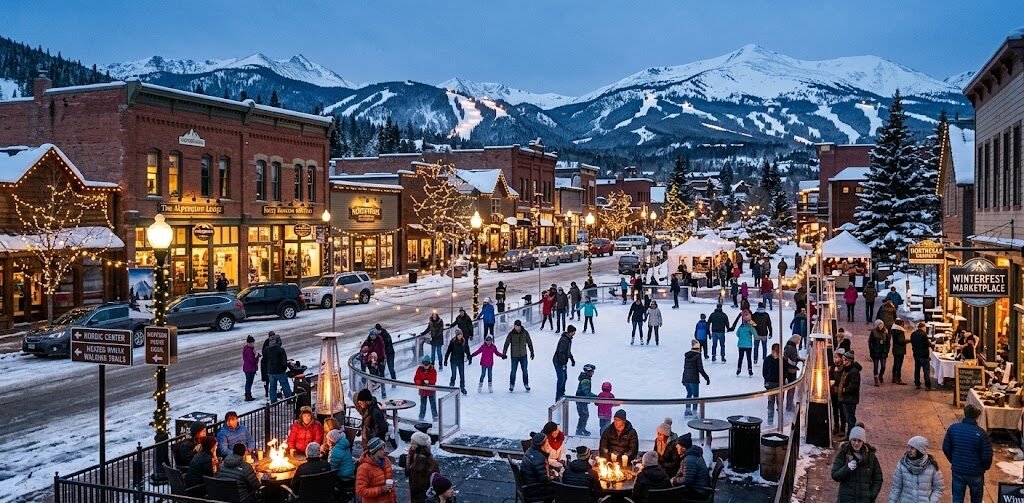
- Ice skating, ice fishing, and winter recreation activities
Infrastructure Development and Investment
Building year-round tourism in cold-weather communities requires substantial infrastructure improvements. Cities must invest in reliable transportation systems, including snow removal equipment, heated public spaces, and accessible pathways. Modern winter cities prioritize infrastructure that enhances visitor safety and comfort while maintaining functionality during harsh weather conditions.
Strategic infrastructure investments include:
- Advanced snow management and removal systems
- Heated public transportation stations and shelters
- Well-maintained pedestrian walkways with traction surfaces
- Expanded accommodation facilities designed for winter comfort
- Indoor attraction spaces for inclement weather days
- Reliable utility systems capable of supporting increased winter populations
Creating Distinctive Winter Experiences
Successful winter cities differentiate themselves by offering unique, memorable experiences that cannot be replicated in warmer climates. Rather than competing with traditional summer destinations, winter communities embrace their environmental characteristics and cultural heritage to create authentic offerings.
Leading winter destinations develop experiences such as:
- Winter festivals and celebrations: Themed events that celebrate local culture and winter traditions, attracting visitors from regional and international markets
- Adventure activities: Professionally managed winter sports facilities, dog sledding, snowshoeing, and cross-country skiing programs
- Culinary tourism: Traditional winter cuisine and locally-sourced food experiences that reflect seasonal ingredients and cultural heritage
- Wellness retreats: Spa facilities, thermal springs, and wellness programs designed to provide relaxation during winter months
- Cultural programming: Museums, galleries, and performing arts venues offering indoor attractions during harsh weather
Marketing and Brand Positioning
Effective marketing is crucial for winter cities seeking to establish themselves as year-round destinations. Rather than promoting winter as a limitation, successful communities market cold-weather periods as opportunities for distinctive experiences. This requires coordinated marketing efforts that target appropriate audience segments and communicate the unique value proposition of winter travel.
Successful winter city marketing strategies emphasize:
- Authentic storytelling that connects visitors with local culture and traditions
- Digital marketing campaigns targeting adventure and experience-seeking demographics
- Partnership with travel influencers and content creators specializing in winter travel
- Seasonal promotional campaigns coordinated with peak winter travel periods
- Collaboration with regional and national tourism boards
Community Engagement and Local Employment
Sustainable winter tourism development depends on community support and local economic benefits. Cities must ensure that tourism growth creates employment opportunities for residents and contributes meaningfully to local economies. This requires intentional business development strategies and workforce training programs that prepare residents for seasonal and year-round tourism positions.
Communities can strengthen local engagement through:
- Workforce development programs in hospitality and tourism management
- Support for local small businesses serving the tourism sector
- Community involvement in tourism planning and decision-making processes
- Fair wage and employment standards for tourism-related positions
- Training programs for sustainable tourism practices
Environmental Sustainability Considerations
Winter tourism development must balance economic growth with environmental responsibility. Cold-weather communities are often situated in ecologically sensitive regions, and tourism expansion can impact natural systems. Implementing sustainable tourism practices protects these environments while ensuring long-term viability of winter-based economies.
Key sustainability practices for winter cities include:
- Environmentally conscious snow management techniques
- Energy-efficient heating systems for public and private facilities
- Waste management programs addressing increased winter populations
- Wildlife protection measures during migration and hibernation periods
- Carbon footprint reduction initiatives for transportation and facilities
Case Studies: Leading Winter Destinations
Several cities worldwide have successfully transformed their winter seasons into major tourism draws. These communities demonstrate that with strategic planning, adequate investment, and authentic experiences, cold-weather destinations can achieve significant economic benefits and international recognition.
Cities such as those in Scandinavia have developed comprehensive winter tourism ecosystems featuring cultural experiences, adventure activities, and luxury accommodations. Alpine resort communities have established themselves as premier winter sports destinations through infrastructure investment and event hosting. Arctic communities have embraced unique experiences such as northern lights viewing and indigenous cultural tourism, attracting visitors specifically seeking these rare opportunities.
Overcoming Winter Tourism Challenges
Winter cities inevitably encounter obstacles in tourism development. Extreme weather events can disrupt operations, transportation challenges can deter visitors, and higher operational costs can strain local businesses.