The Growing Impact of Public Art in Spokane
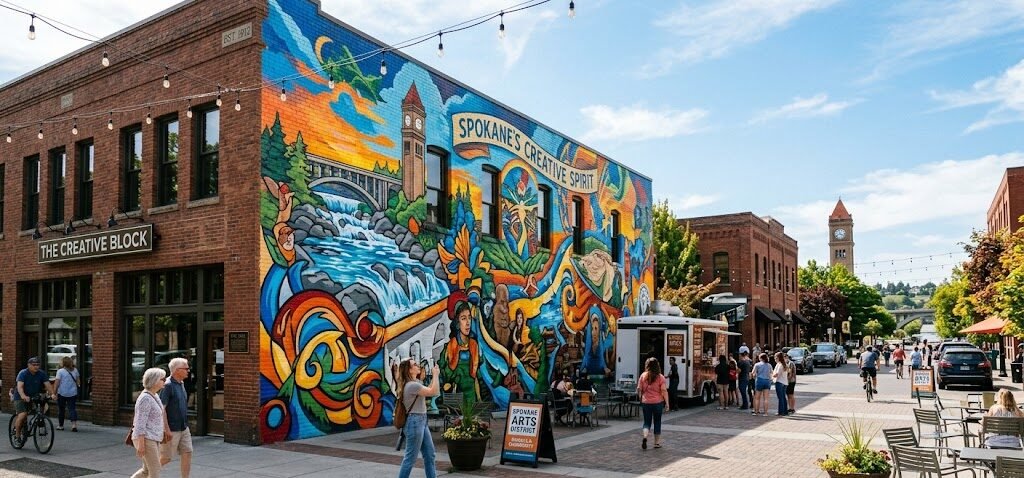
Spokane’s urban landscape has undergone a remarkable transformation in recent years, driven by an ambitious public art initiative that has breathed new life into the city’s streets, alleys, and public spaces. Through strategic investment in murals and artistic installations, the city has created a vibrant cultural environment that reflects its community values while enhancing the aesthetic appeal of neighborhoods throughout the region.
The proliferation of murals and public art has become more than a visual enhancement—it represents a comprehensive urban revitalization strategy that addresses multiple community needs simultaneously. These artistic interventions have fostered a sense of pride among residents, attracted new visitors, and created economic opportunities for local artists and businesses.
Cultural Expression and Community Identity
Public murals serve as powerful vehicles for cultural expression in Spokane. Local artists have utilized building facades as canvases to celebrate the city’s heritage, highlight contemporary social issues, and showcase diverse perspectives from the community. These large-scale artworks have become landmarks in their own right, often serving as gathering points and sources of inspiration for residents.
The artistic projects frequently incorporate themes that resonate with Spokane’s identity, including:
- Historical narratives and local heritage preservation
- Environmental sustainability and green space advocacy
- Representation of diverse cultural communities
- Social justice and civic engagement messages
- Celebration of local music, literature, and performing arts
Economic and Social Benefits
The investment in public art has yielded significant economic benefits for Spokane’s communities. Research demonstrates that vibrant artistic districts attract increased foot traffic, support local retail and hospitality businesses, and enhance property values in surrounding areas. The murals have made previously overlooked neighborhoods more appealing destinations for both residents and tourists.
Beyond economics, the social impact has been profound. Public art initiatives have created employment opportunities for emerging and established artists, generated grants and funding for creative projects, and fostered collaboration between municipal government, private sponsors, and community organizations.
Neighborhood Transformation and Urban Renewal
Specific neighborhoods throughout Spokane have experienced particularly striking transformations through comprehensive public art programs. Areas that previously struggled with disinvestment and decline have become dynamic cultural hubs, with murals and installations serving as catalysts for broader neighborhood improvement initiatives.
These transformations typically involve coordinated efforts across multiple stakeholders:
- Municipal planning and zoning departments
- Local business improvement districts
- Community development organizations
- Educational institutions and artist collectives
- Property owners and residents
Artistic Diversity and Accessibility
One of the defining characteristics of Spokane’s public art movement is its commitment to artistic diversity and accessibility. The city has prioritized making art available to all residents, regardless of socioeconomic status, ensuring that cultural enrichment extends across all neighborhoods and demographics.
Public art programs have included initiatives specifically designed to engage underrepresented communities, provide platforms for emerging artists, and support art forms that reflect the city’s multicultural population. This inclusive approach has strengthened the overall quality and authenticity of Spokane’s artistic landscape.
Infrastructure and Long-Term Sustainability
For public art initiatives to succeed long-term, sustainable infrastructure and maintenance systems must be established. Spokane has invested in developing comprehensive frameworks that address the creation, documentation, and preservation of public artworks. This includes establishing clear guidelines for artist selection, community input processes, and maintenance protocols.
The city has also created digital archives and mapping systems that allow residents and visitors to discover and learn about public artworks throughout Spokane. These technological tools enhance the public art experience and provide valuable data for assessing the impact of cultural initiatives.
Community Engagement and Participatory Art
Effective public art requires meaningful community engagement. Spokane’s most successful projects have incorporated participatory elements that invite residents to contribute to the creative process, whether through collaborative mural painting, public input sessions, or community art workshops.
This participatory approach has several advantages:
- Increased community ownership and pride in public spaces
- Alignment of artworks with genuine community interests and values
- Development of artistic skills within the broader population
- Strengthened social cohesion through shared creative experiences
- Enhanced social capital and community trust
Future Directions and Expansion
As Spokane continues to develop its public art infrastructure, city planners and cultural leaders have identified opportunities for expanded programming and innovative artistic approaches. Future initiatives may include interactive and digital art installations, temporary public art projects, and expanded support for public performance venues.
The city’s commitment to arts and culture demonstrates a recognition that vibrant public spaces are essential to thriving communities. By continuing to invest in murals and public art, Spokane is building a more dynamic, inclusive, and culturally rich urban environment.
Conclusion
The transformation of Spokane’s public spaces through arts and murals represents a strategic investment in community vitality, cultural expression, and urban renewal. These artistic initiatives have created tangible benefits for residents, supported local artists, enhanced neighborhood appeal, and strengthened community identity. As Spokane moves forward, the continued expansion and support of public art will remain central to the city’s vision of creating welcoming, vibrant, and culturally rich public spaces for all residents and visitors.