The Evolution of Historic Main Streets
Historic Main Streets across North America have long served as the commercial and cultural heart of their communities. However, in recent decades, many of these traditional retail corridors have faced significant challenges, including declining foot traffic, vacant storefronts, and economic stagnation. Today, a transformative approach is breathing new life into these cherished neighborhoods by reimagining them as vibrant mixed-use destinations that blend residential, commercial, and recreational spaces.
Understanding Mixed-Use Development
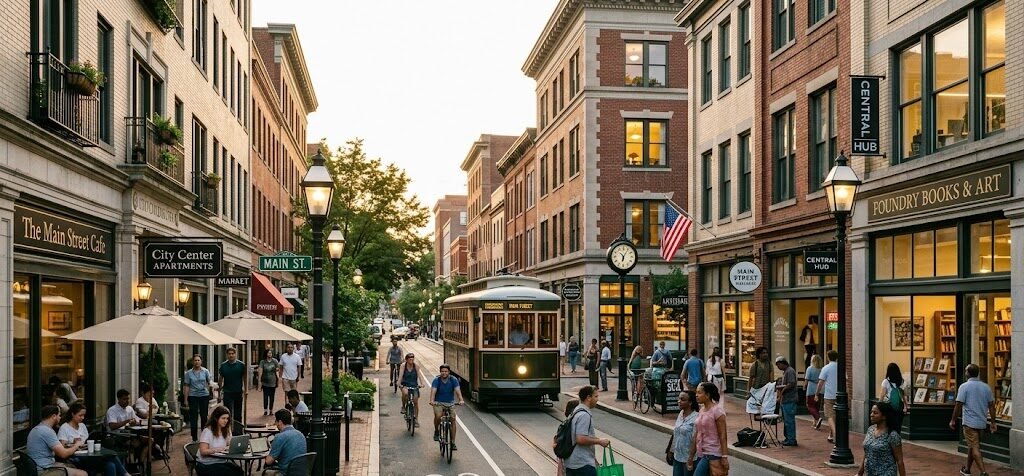
Mixed-use neighborhoods integrate multiple functions within a single district or building, combining retail shops, offices, restaurants, and residential apartments or condominiums. This approach contrasts sharply with the single-use zoning that has dominated urban planning for much of the twentieth century. By creating spaces where people can live, work, and play within walking distance, mixed-use developments foster community engagement and economic vitality.
Key Components of Mixed-Use Main Streets
- Ground-Floor Retail: Strategic placement of shops, cafes, and restaurants attracts foot traffic and creates an active streetscape.
- Residential Units: Apartments and condos above retail spaces provide housing options and ensure round-the-clock neighborhood activity.
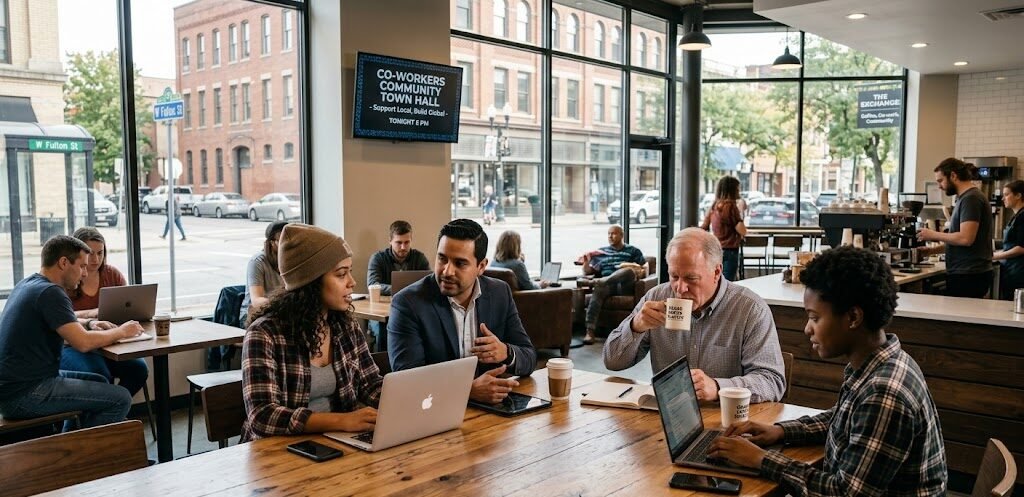
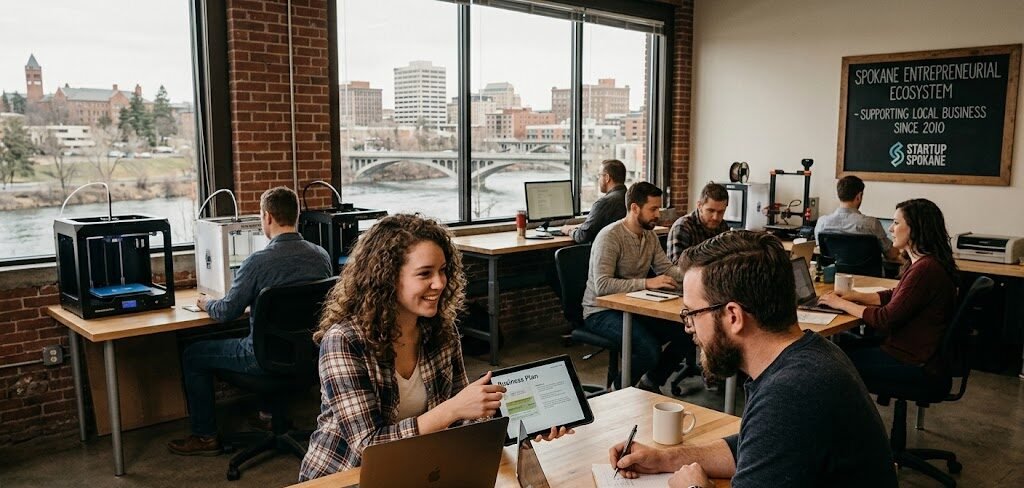
- Office Space: Professional offices and coworking spaces support local entrepreneurs and small businesses.
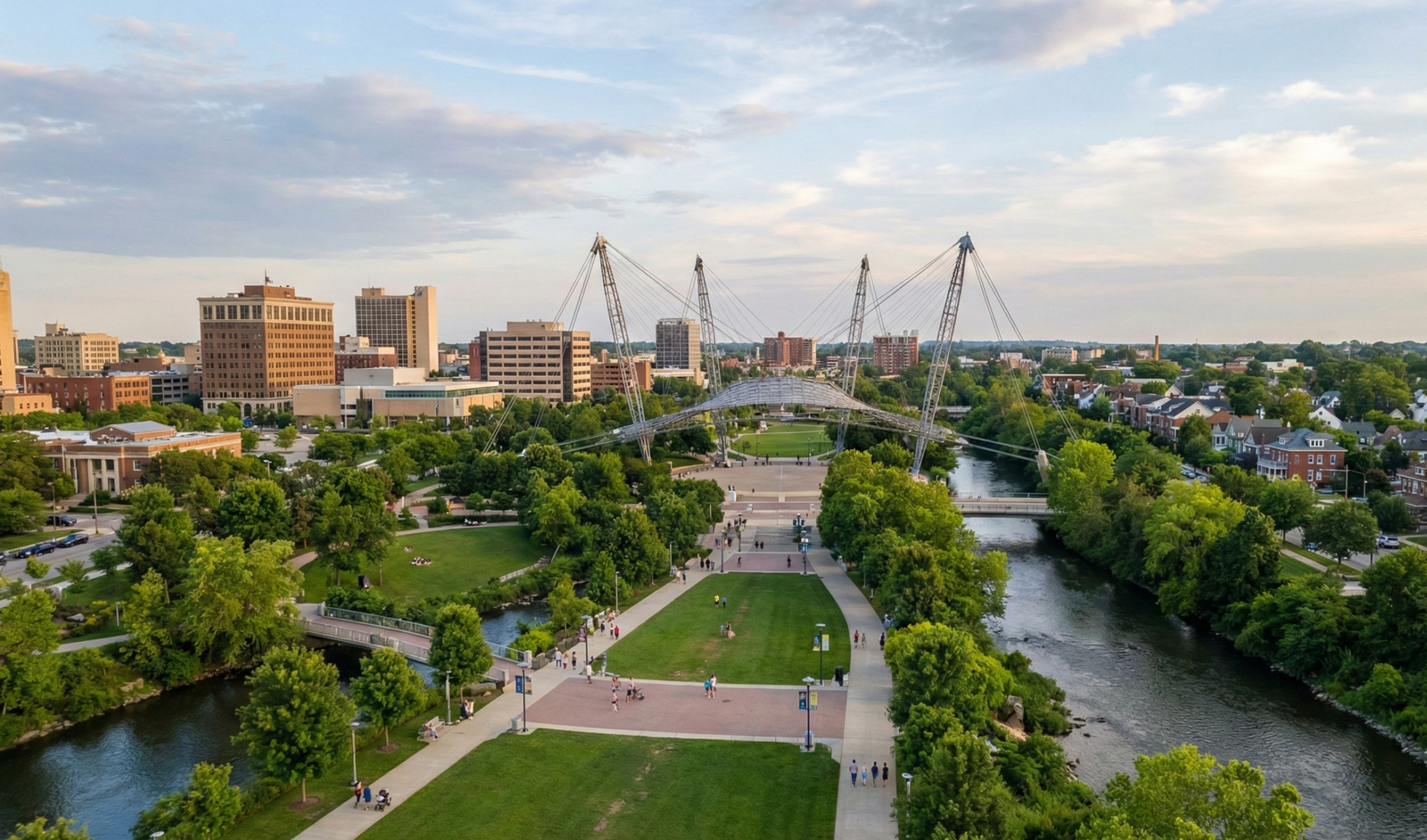
- Public Spaces: Parks, plazas, and pedestrian pathways encourage social interaction and community gathering.
- Cultural Venues: Theaters, galleries, and community centers preserve historic character while fostering artistic expression.
Success Stories and Case Studies
Numerous communities have successfully revitalized their historic Main Streets through mixed-use development initiatives. These projects demonstrate that preserving architectural heritage while adapting spaces to modern needs creates economically sustainable and culturally vibrant neighborhoods.
Economic and Social Benefits
The transformation of historic Main Streets into mixed-use neighborhoods generates substantial economic advantages. Property values typically increase, attracting both private investment and public funding. Local businesses experience improved sales due to increased customer density, while new employment opportunities emerge across retail, hospitality, and professional services sectors. Additionally, these revitalized areas generate increased tax revenues that support municipal services and infrastructure improvements.
Beyond economic metrics, mixed-use Main Streets foster social cohesion and community engagement. Residents and workers develop stronger connections to their neighborhoods through frequent interactions in shared spaces. This sense of belonging contributes to improved quality of life and enhanced public safety, as busy, well-populated streets naturally discourage criminal activity.
Addressing Urban Planning Challenges
Successfully reimagining historic Main Streets requires thoughtful planning and collaboration among city officials, developers, business owners, and residents. Several critical considerations shape the success of these transformation projects:
Zoning and Regulatory Framework
Modern zoning codes must be adapted to permit mixed-use development. Many older communities operate under restrictive single-use zoning regulations that prevent the integration of residential and commercial activities. Progressive municipalities are updating their codes to encourage vertical and horizontal mixing of uses while maintaining architectural and historical standards.
Parking Solutions
Adequate parking infrastructure remains a significant challenge in revitalized Main Streets. Successful projects often incorporate shared parking facilities, encourage public transportation access, and implement progressive parking policies that prioritize short-term visitor parking and resident parking while promoting walkability and transit use.
Preservation of Historic Character
Maintaining the architectural and cultural integrity of historic Main Streets is essential to their identity and appeal. Adaptive reuse strategies that convert obsolete buildings into modern residences and offices preserve exterior facades and significant structural elements while meeting contemporary building codes and accessibility standards. Architectural review boards ensure that new construction complements rather than conflicts with existing historic fabric.
Infrastructure and Connectivity
Successful mixed-use Main Street revitalization depends heavily on comprehensive infrastructure improvements. Public investments in streetscape enhancements, sidewalk widening, pedestrian lighting, and green infrastructure create safe and attractive walking environments. Enhanced public transportation connections, including bus routes and light rail access, enable residents and workers to reduce automobile dependence and access regional opportunities.
Community Engagement and Local Ownership
The most successful Main Street transformations involve meaningful participation from existing residents, business owners, and community organizations. Local input shapes development priorities, ensures that projects reflect community values, and builds support for long-term revitalization efforts. Community land trusts and local development corporations can ensure that revitalization benefits reach longtime residents and prevent displacement driven by rising property values.
The Future of Historic Main Streets
As urbanization continues and consumer preferences shift toward walkable, mixed-use neighborhoods, historic Main Streets are positioned to reclaim their role as vital community centers. The reimagining of these spaces represents not merely a real estate trend, but a fundamental reorientation toward more sustainable, human-scaled urban development. By honoring the past while embracing contemporary needs and aspirations, communities can ensure that their historic Main Streets remain vibrant destinations for generations to come.
The transformation of historic Main Streets into mixed-use neighborhoods demonstrates that preservation and progress are not mutually exclusive. Through thoughtful planning, community collaboration, and strategic investment, communities can revitalize these cherished places, creating dynamic neighborhoods that foster economic opportunity, social connection, and cultural vitality.