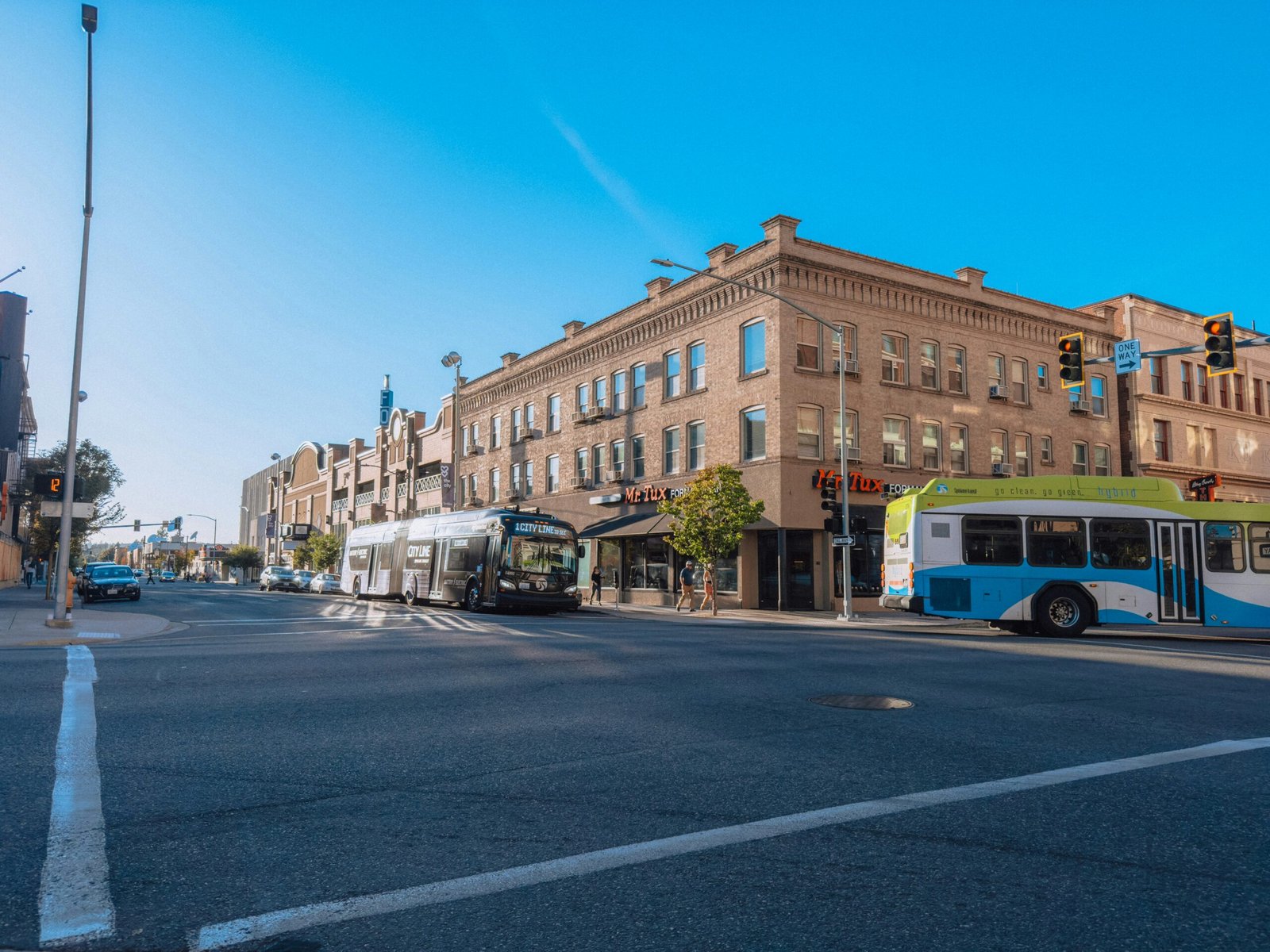

As many cities invest in revitalizing their downtown cores, new housing, restaurants, and entertainment venues bring increased activity and foot traffic. While this growth often strengthens local economies and community life, it can also influence patterns of property crime. Theft, shoplifting, and vehicle break-ins are among the most commonly reported concerns in areas experiencing redevelopment. Understanding these trends helps city leaders, business owners, and residents respond with practical solutions that balance growth with safety. Even in inland urban centers, the need for coordinated oversight can be compared to how busy coastal markets monitor seafood shipments and daily trade. When activity increases, attention to security and organization becomes more important.
Increased Activity and Theft Risks in Revitalized Downtown Areas
Revitalizing downtowns tends to attract a mix of residents, visitors, and commuters. More people moving through an area means more opportunities for both commerce and crime. Retail shops, restaurants, and markets often keep extended hours, which can create busy environments that are welcoming but sometimes harder to monitor. Theft in these areas often includes items left in parked vehicles, unsecured bicycles, or merchandise from retail stores. As downtown living becomes more popular, residential buildings may also face package theft or break-ins. Similar to bustling seafood markets where high volumes of goods move quickly, active downtowns require careful planning to ensure that increased activity does not lead to increased risk.
Business-Led Safety Measures and Community Partnerships
Local businesses play a major role in prevention. Many invest in improved lighting, security cameras, and staff training to reduce opportunities for theft. Clear store layouts, visible entrances, and strong relationships with neighboring businesses can help deter criminal activity. Some business districts form partnerships with local authorities and community organizations to share information and coordinate safety efforts. This collaborative approach resembles the way coastal ports and seafood markets coordinate security to protect shipments and maintain trust among vendors and customers.
Urban Design and Visibility in Reducing Property Crime
Urban design also affects property crime patterns. Well-lit streets, active storefronts, and visible public spaces can discourage theft by increasing natural surveillance. When people feel comfortable walking, dining, and shopping in downtown areas, the presence of regular activity can help reduce certain types of crime. Cities often invest in better street lighting, pedestrian pathways, and public gathering areas to create environments where people feel safe. Coastal communities follow similar principles in busy waterfront districts, where clear visibility and steady foot traffic help maintain order around seafood markets and harbors.
Using Technology and Data to Prevent Property Crime
Technology has become an important tool in addressing property crime. Security cameras, alarm systems, and mobile reporting apps allow businesses and residents to monitor activity and report concerns quickly. Data analysis can help identify patterns, such as specific times or locations where theft is more likely to occur. With this information, local authorities can adjust patrols or provide targeted support. In fast-moving environments such as seafood distribution centers, tracking and monitoring systems play a similar role in preventing loss and ensuring accountability.
Community Engagement and Shared Responsibility in Crime Prevention
Community involvement is another key factor. Residents who live downtown often participate in neighborhood groups or business associations that share updates and safety tips. Events and public gatherings encourage people to spend time in the area, which increases visibility and community connection. When people know their neighbors and local business owners, they are more likely to report suspicious activity and support prevention efforts. This sense of shared responsibility mirrors the cooperation seen in coastal communities, where maintaining the security of seafood trade and public spaces depends on collective awareness.
Balancing Revitalization Benefits with Effective Crime Prevention
It is important to recognize that revitalization often brings long-term benefits that outweigh short-term challenges. Increased investment in housing, retail, and public spaces can strengthen local economies and create vibrant neighborhoods. Addressing property crime effectively requires a combination of enforcement, design improvements, and community engagement. With thoughtful planning, cities can maintain welcoming downtown environments while reducing theft and related concerns.
Proactive Strategies for Safe and Thriving Downtown Growth
As revitalized downtowns continue to grow, understanding property crime trends helps communities respond in proactive ways. By combining security measures, urban design improvements, and collaboration among businesses and residents, cities can protect both economic growth and quality of life. Like busy coastal districts that balance active seafood trade with careful oversight, thriving downtown areas can remain lively and secure when planning and cooperation work together.
Photo by Jakub Żerdzicki on Unsplash