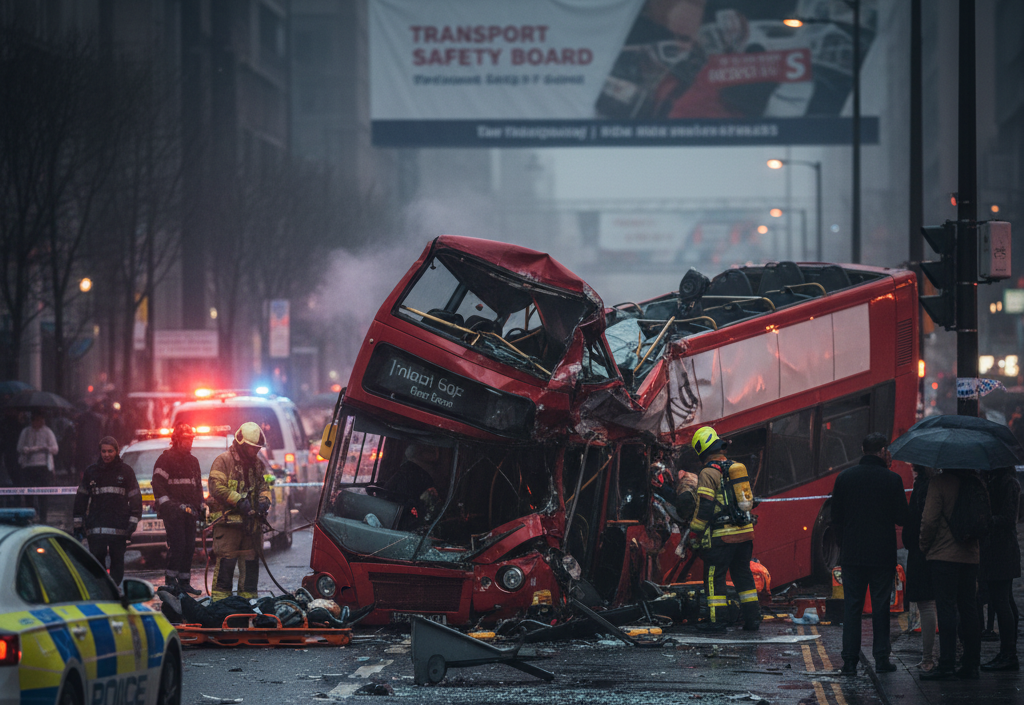
Double-decker bus crashes represent serious transportation incidents that demand comprehensive investigation and thorough accountability measures. These accidents, involving vehicles designed to transport large numbers of passengers across two levels, carry significant implications for public safety and regulatory oversight. When such incidents occur, they trigger immediate responses from safety authorities, emergency services, and transportation regulatory bodies to determine causation and prevent future occurrences.
Initial Response and Emergency Procedures
Following a double-decker bus crash, emergency response protocols are immediately activated. First responders, including paramedics, firefighters, and law enforcement, converge on the scene to address immediate safety concerns and provide medical assistance to affected passengers and crew members. Simultaneously, transportation safety officials begin preliminary assessments to document the incident scene, preserve evidence, and secure the vehicle for detailed forensic examination.
The initial response phase is critical for establishing a timeline of events and gathering witness testimonies while memories remain fresh. Authorities conduct roadside interviews and collect photographic and video evidence that will support subsequent investigations.
Comprehensive Safety Investigation Process
Professional safety investigators conduct multi-faceted examinations to identify contributing factors to the crash. This investigation process typically includes:
- Vehicle Mechanical Analysis: Thorough inspection of braking systems, steering mechanisms, suspension components, and structural integrity to identify mechanical failures or defects
- Driver Assessment: Evaluation of operator qualifications, licensing status, medical fitness, and compliance with hours-of-service regulations
- Environmental Factors: Analysis of road conditions, weather patterns, visibility, and traffic circumstances at the time of the incident
- Maintenance Records Review: Examination of the vehicle’s service history, previous repairs, and adherence to mandatory maintenance schedules
- Data Recorder Information: Analysis of event data recorders (black boxes) that capture vehicle performance metrics and operational parameters
Regulatory Compliance and Standards
Double-decker buses must meet stringent safety standards and regulatory requirements established by transportation authorities. These standards encompass vehicle design specifications, safety equipment installation, passenger capacity limitations, and structural reinforcement requirements. Investigators assess whether the involved vehicle maintained compliance with all applicable regulations and identify any lapses in adherence to safety protocols.
Regulatory bodies review whether manufacturers, operators, and maintenance providers fulfilled their obligations regarding vehicle safety certification and compliance documentation.
Establishing Accountability Measures
Determining accountability requires identifying all parties whose actions or negligence may have contributed to the crash. This assessment may implicate:
- The transportation company and its operational management
- Vehicle manufacturers or component suppliers
- Maintenance and repair service providers
- Driver or operator involved in the incident
- Road authorities responsible for infrastructure maintenance
- Regulatory agencies overseeing compliance and enforcement
Each party’s responsibility is determined through evidence analysis and expert testimony. Accountability extends beyond identifying fault; it encompasses understanding systemic failures that permitted the incident to occur.
Impact on Passenger Safety and Public Confidence
Double-decker bus crashes significantly impact public perception of mass transportation safety. Such incidents may reduce ridership confidence and generate concerns about operator reliability and regulatory effectiveness. Transparent investigation processes and demonstrated accountability measures help restore public trust in transportation systems.
Transportation authorities utilize findings from crash investigations to implement corrective measures, updated safety protocols, and enhanced oversight procedures that protect future passengers.
Implementing Preventive Measures
Investigation conclusions inform the development of preventive strategies designed to eliminate identified risk factors. These measures may include:
- Enhanced driver training and qualification requirements
- Upgraded vehicle maintenance and inspection protocols
- Technological improvements to vehicle safety systems
- Infrastructure modifications to address road hazards
- Strengthened regulatory enforcement and compliance monitoring
Progressive transportation agencies implement recommendations from investigation reports proactively, even before official findings are finalized, when preliminary data suggests imminent safety threats.
Legal and Financial Accountability
Accountability mechanisms extend to legal and financial consequences for responsible parties. Civil litigation may result in substantial damages awarded to injured passengers and families of fatalities. Criminal charges may be pursued when negligence reaches the threshold of criminal conduct. Financial penalties, license revocations, and operational restrictions serve as deterrents against future non-compliance.
Conclusion
Double-decker bus crash investigations represent essential processes for protecting public safety and ensuring accountability throughout transportation systems. Through comprehensive investigation, regulatory review, and preventive implementation, authorities work to prevent similar incidents and maintain the safety standards that the traveling public rightfully expects. Continued commitment to rigorous investigation protocols and transparent accountability processes strengthens overall transportation safety and protects countless passengers who depend on public transit systems daily.