
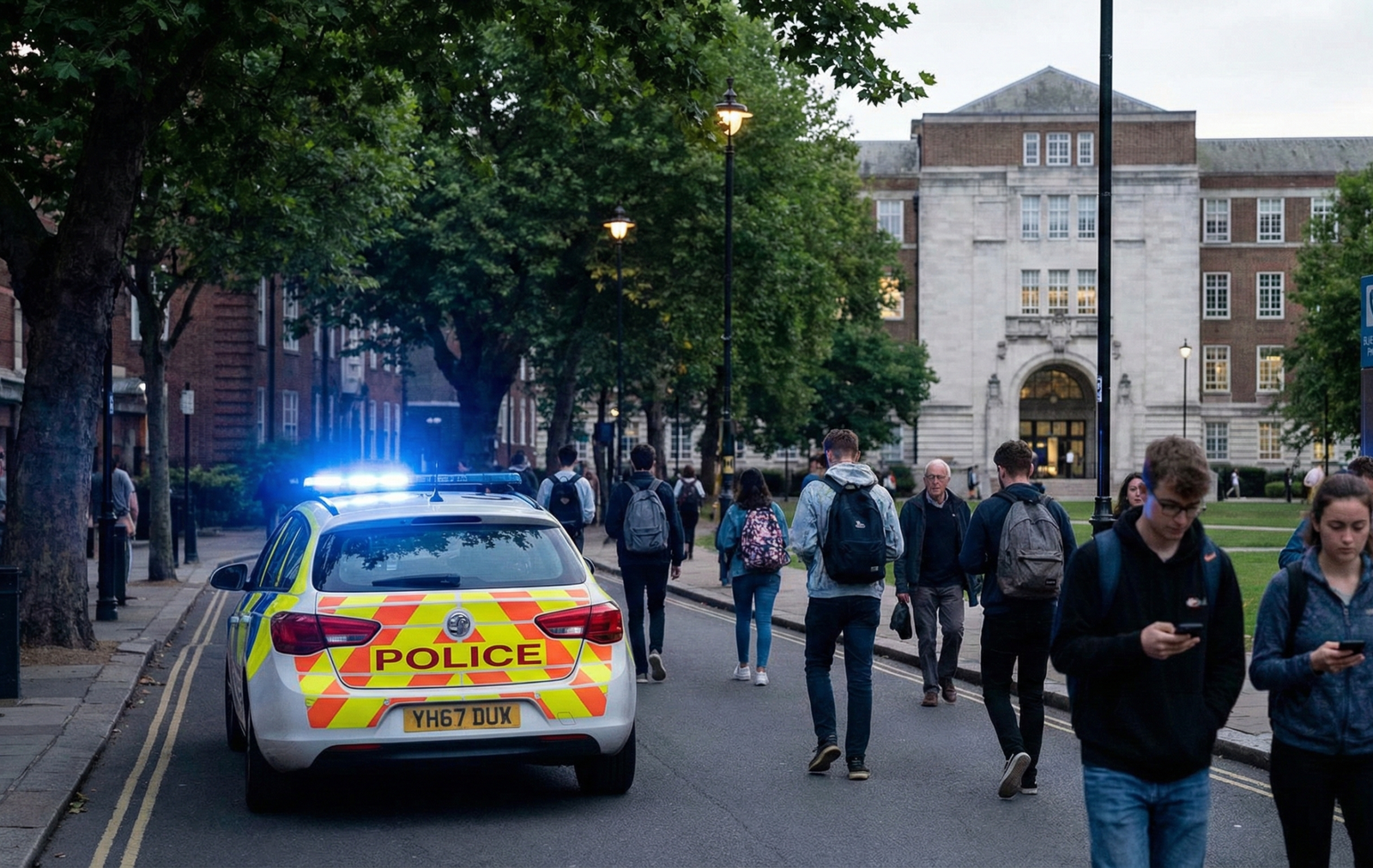
University districts represent unique communities characterized by diverse populations, high foot traffic, and vibrant nightlife. While these areas offer exceptional educational and social opportunities, they also present distinctive safety challenges that require thoughtful prevention strategies. Understanding the crime patterns and risk factors specific to university neighborhoods is the first step toward creating safer communities for students, faculty, and residents.
Common Crime Types in Academic Communities
University districts experience various crime categories that differ in frequency and severity. The most prevalent offenses typically include property crimes such as theft, burglary, and vehicle-related incidents, which account for a significant portion of reported incidents. Personal crimes, including assault and robbery, occur less frequently but warrant serious attention and prevention efforts. Additionally, drug-related offenses and underage drinking violations represent ongoing concerns in many academic neighborhoods.
Property Crime Prevention
Property crimes represent the most common offenses in university districts. Protecting personal belongings requires consistent vigilance and practical measures. Secure your residence by installing quality locks, using deadbolts on all exterior doors, and ensuring windows are properly fastened. Never leave valuables unattended in dormitories, libraries, or public spaces. Mark personal electronics with identification numbers and maintain detailed records of serial numbers for high-value items.
Personal Safety Strategies
Maintaining personal safety involves developing awareness of your surroundings and making intentional choices about daily activities. Travel in groups whenever possible, especially during evening and nighttime hours. Utilize well-lit, populated routes and familiarize yourself with campus security resources and emergency call stations. Trust your instincts if a situation feels unsafe; remove yourself immediately and contact appropriate authorities.
Effective Environmental Design and Planning
The physical design of university districts significantly impacts safety outcomes. Well-maintained environments with adequate lighting, clear sight lines, and minimal hiding places deter criminal activity. Campus planning that prioritizes pedestrian safety, includes emergency communication systems, and maintains natural surveillance opportunities creates communities where residents feel secure. Environmental improvements should complement, not replace, comprehensive prevention strategies.
Building Strong Community Relationships
Communities with strong social connections experience lower crime rates and faster recovery from incidents. Participate in neighborhood watch programs, attend community meetings, and develop relationships with neighbors and campus security personnel. These connections create informal surveillance networks and foster shared responsibility for community safety. Regular communication among residents strengthens collective efficacy and enables faster response to emerging safety concerns.
Utilizing Technology and Campus Resources
Modern university districts benefit from technological safety innovations. Mobile applications allow residents to report incidents, receive safety alerts, and access emergency resources. Campus security departments typically offer educational programs, escort services, and crime prevention consultations. Familiarize yourself with available resources including emergency hotlines, safety apps, and self-defense classes. Many institutions provide free safety seminars addressing topics relevant to student and resident populations.
Substance Abuse Prevention and Awareness
Substance use significantly impacts safety in university communities. Alcohol and drug abuse increases vulnerability to victimization and perpetration of crimes. Make informed decisions about substance use and monitor your consumption in social settings. Utilize the buddy system, never leave drinks unattended, and be aware of signs of dangerous intoxication in yourself and others. Campus counseling and substance abuse services provide confidential support and resources.
Sexual Assault Prevention and Support
Universities have implemented comprehensive approaches to address sexual assault, including prevention education, survivor support services, and institutional accountability measures. Consent-based education emphasizes clear communication and mutual agreement in all interactions. Bystander intervention training empowers community members to safely interrupt situations that could lead to assault. Survivors should know that confidential support and reporting options are available through campus health centers, counseling services, and designated advocates.
Cybersecurity and Digital Safety
Digital crimes increasingly affect university populations. Protect your personal information by using strong, unique passwords and enabling two-factor authentication on important accounts. Be cautious about sharing personal details on social media and verify the legitimacy of communications requesting sensitive information. Report suspicious online activity to appropriate institutions and law enforcement when necessary. Many campuses offer cybersecurity training and resources for students and employees.
Developing a Personal Safety Plan
Creating an individualized safety plan helps you prepare for various situations. Identify your regular routes and safe locations on campus. Establish emergency contacts and ensure trusted friends or family members know your routine. Practice situational awareness regularly and develop responses to uncomfortable situations. Review your plan periodically and adjust as circumstances change. A thoughtful personal safety plan empowers you to navigate your university community with confidence.
Reporting Crimes and Incidents
Prompt reporting of crimes and safety concerns is essential for community protection. Campus security and local law enforcement depend on incident reports to identify patterns and deploy preventive resources. Report incidents as soon as possible after ensuring your immediate safety. Provide detailed information including time, location, descriptions, and any available evidence. Many institutions offer multiple reporting options including in-person reports, online forms, and anonymous tip lines to accommodate different comfort levels and circumstances.
Creating a Culture of Safety
Ultimately, university district safety depends on collective commitment from all community members. Promote awareness of safety issues, support institutional prevention efforts, and intervene when you observe concerning behavior. Advocate for continued investment in safety infrastructure and education programs. Recognize that creating safe communities requires ongoing effort, open communication, and shared responsibility. By working together, university districts can maintain secure environments where all members can thrive.