
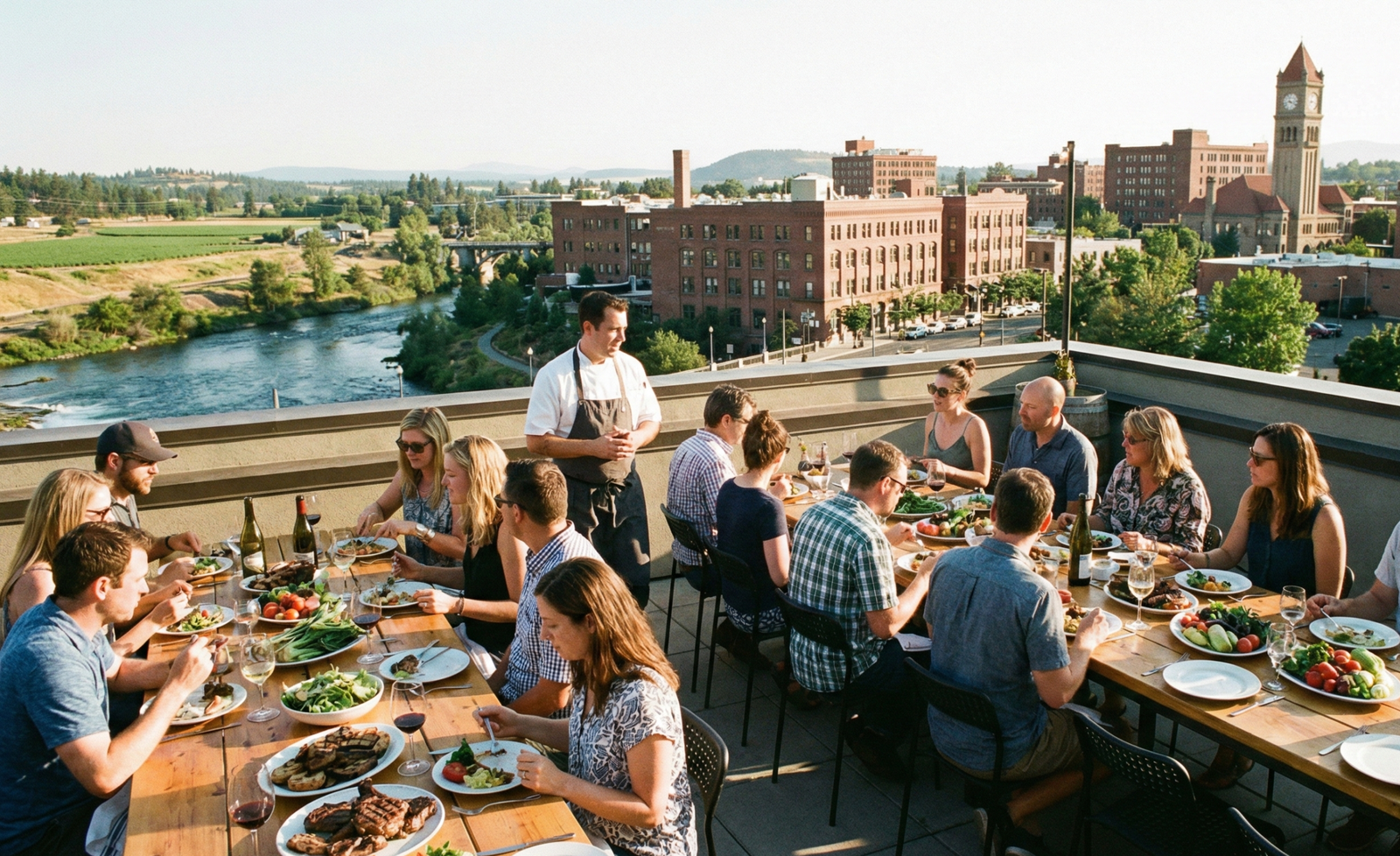
Farm to table dining represents a culinary philosophy that prioritizes sourcing ingredients directly from local farms and producers, rather than relying on distant supply chains. This approach emphasizes freshness, quality, and sustainability while supporting regional agricultural communities. In Spokane, this movement has flourished, creating a vibrant ecosystem of restaurants, farmers markets, and agricultural partnerships that celebrate the region’s rich farming heritage.
Spokane’s Agricultural Foundation
Located in the heart of the Inland Northwest, Spokane benefits from a diverse agricultural landscape that produces an exceptional variety of seasonal crops. The region’s climate and soil conditions support the cultivation of wheat, lentils, peas, apples, cherries, and numerous vegetables. This agricultural abundance provides local chefs with access to premium ingredients at their peak freshness, enabling them to create distinctive menus that reflect the seasons and local terroir.
Key Crops and Producers
- Grains and Legumes: The Palouse region surrounding Spokane produces world-class wheat and lentils
- Tree Fruits: Local orchards yield apples, cherries, and stone fruits throughout the year
- Vegetables: Seasonal produce including squash, beans, greens, and root vegetables
- Specialty Products: Artisanal honey, dairy products, and grass-fed beef from local ranches
Notable Farm to Table Restaurants
Spokane’s dining scene features numerous establishments committed to farm to table principles. These restaurants work closely with local farmers and producers to develop menus that change seasonally, ensuring patrons experience the freshest available ingredients.
Leading Establishments
Several prominent restaurants have become synonymous with the farm to table movement in Spokane. These venues prioritize transparent sourcing practices, often listing the specific farms and producers that supply their ingredients. By doing so, they create meaningful connections between diners and the agricultural community while demonstrating accountability for ingredient quality and ethical sourcing practices.
The Benefits of Farm to Table Dining
Environmental Advantages
The farm to table approach significantly reduces the environmental impact associated with food transportation. By sourcing locally, restaurants minimize carbon emissions linked to long-distance shipping while reducing packaging waste. Additionally, many local farms employ sustainable agricultural practices, including crop rotation, organic farming methods, and conservation techniques that protect soil health and biodiversity.
Economic Impact
Supporting local agriculture strengthens Spokane’s regional economy. Money spent at farm to table restaurants flows directly to local farmers and producers, enabling them to maintain viable operations and invest in their businesses. This economic circulation fosters job creation, supports rural communities, and helps preserve agricultural land for future generations.
Health and Nutritional Benefits
Farm to table dining provides consumers with fresher, more nutritious food. Locally grown produce harvested at peak ripeness contains higher levels of vitamins and minerals compared to produce that has traveled long distances. Furthermore, diners can often learn about cultivation methods, allowing them to make informed decisions about the food they consume.
Farmers Markets and Direct Agricultural Access
Beyond restaurant dining, Spokane’s farmers markets provide direct connections between consumers and agricultural producers. These markets operate throughout the growing season, offering fresh produce, baked goods, prepared foods, and artisanal products. Shopping at farmers markets enables residents to support local agriculture while accessing ingredients for home cooking.
Major Farmers Markets in Spokane
- Year-round market venues offering certified local producers
- Seasonal markets operating during peak harvest periods
- Specialty markets focusing on specific product categories
- Community-supported agriculture (CSA) programs providing subscription-based produce delivery
Seasonal Menus and Culinary Creativity
Farm to table restaurants in Spokane embrace seasonal menus that celebrate ingredient availability. This approach challenges chefs to develop creative dishes based on what is currently being harvested rather than relying on standardized menus year-round. The result is innovative cuisine that evolves throughout the year, encouraging diners to return frequently and experience new culinary interpretations.
Menu Development Practices
Successful farm to table establishments maintain close relationships with local farmers, often planning menus in consultation with producers. This collaboration ensures that restaurants can anticipate ingredient availability and incorporate produce into dishes designed specifically to showcase its unique qualities. Chefs may adjust menus weekly or even daily based on harvest yields and quality.
Challenges and Opportunities
Addressing Supply Consistency
One of the primary challenges facing farm to table restaurants involves maintaining ingredient consistency across seasons. Local agriculture naturally produces variable yields based on weather conditions and growing cycles. Forward-thinking establishments address this through preservation techniques, including canning and freezing, which allow them to utilize seasonal abundance year-round.
Growth and Future Potential
As consumer demand for local, sustainable food continues to increase, opportunities exist for expanded agricultural production and restaurant partnerships. Investment in agricultural infrastructure, including storage facilities and processing capabilities, can enhance the viability of local farming operations and enable restaurants to access a broader range of products throughout the year.
Engaging with the Community
Farm to table establishments in Spokane often serve as community gathering spaces where diners can learn about local agriculture. Many restaurants host farm dinners, cooking classes, and educational events that deepen public understanding of regional agriculture and sustainable food systems. These initiatives foster appreciation for farming communities and inspire consumers to make more intentional food choices.
Conclusion
Farm to table dining in Spokane represents far more than a culinary trend; it embodies a commitment to sustainability, community support, and exceptional food quality. By leveraging the region’s abundant agricultural resources, Spokane’s restaurants and food purveyors have created a distinctive dining culture that celebrates local farmers and producers.