Downtown Spokane is experiencing a remarkable transformation, driven in part by the growing popularity of food hall culture. These modern culinary marketplaces have become destinations for both residents and visitors, breathing new life into the heart of the city. By combining multiple independent food vendors under one roof, food halls offer diverse dining experiences that celebrate local entrepreneurship and culinary innovation.
What Are Food Halls and Why They Matter
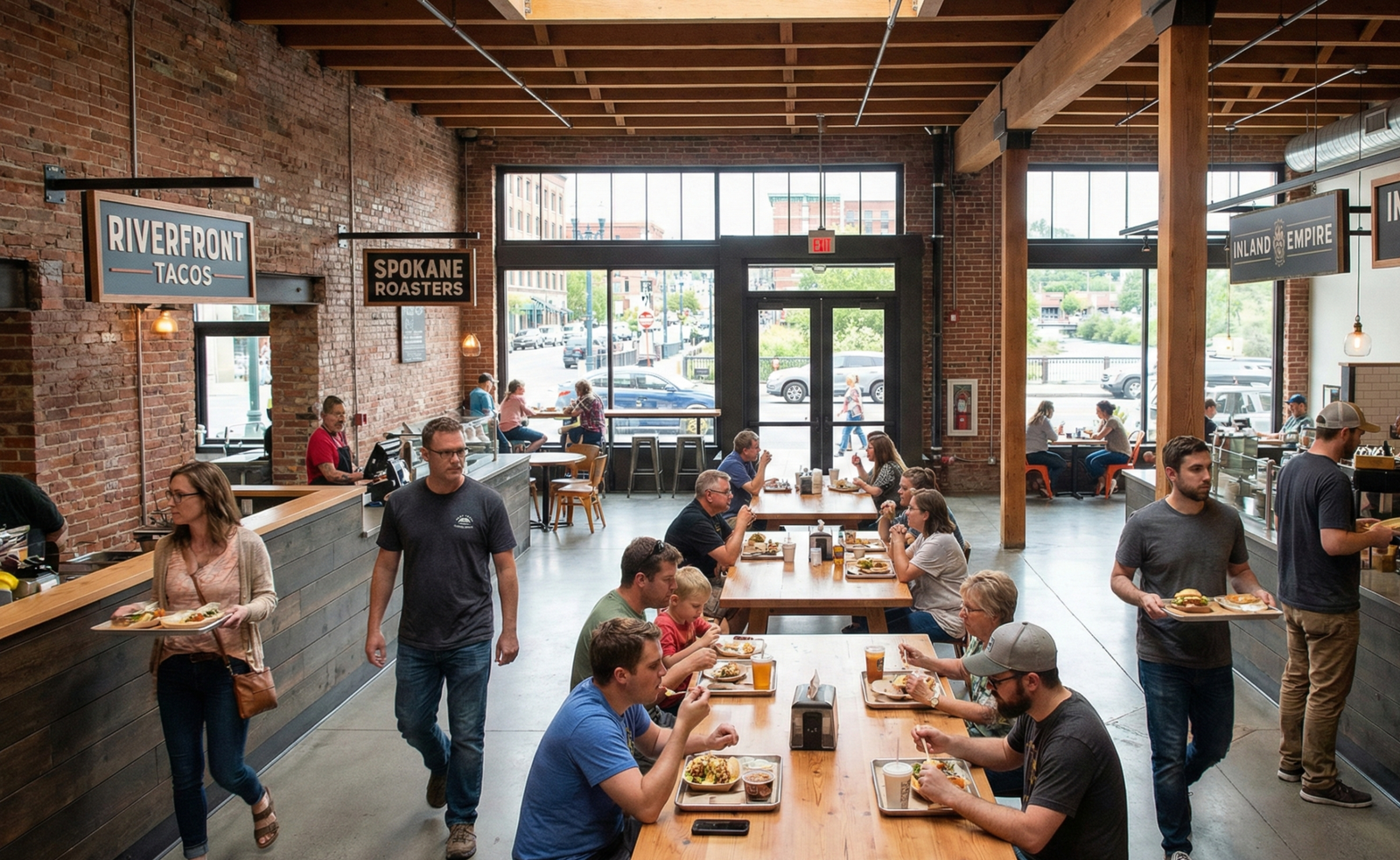
Food halls represent a contemporary evolution of the traditional food market concept. Unlike conventional food courts, which typically feature chain restaurants, food halls curate carefully selected independent vendors, artisans, and specialty food entrepreneurs. This distinctive model creates an atmosphere of authenticity and community engagement that resonates with modern diners seeking quality, variety, and local flavor.
The appeal of food halls extends beyond their dining offerings. These spaces serve as cultural hubs where people gather, connect, and celebrate the culinary talents of their community. For downtown areas specifically, food halls function as vital economic anchors that draw foot traffic, support local businesses, and contribute to urban revitalization efforts.
Economic Impact on Downtown Spokane
The introduction of food halls to downtown Spokane has generated significant economic benefits. These venues attract entrepreneurs who might otherwise struggle to open traditional full-service restaurants due to high startup costs and operational expenses. By providing affordable vendor spaces and shared infrastructure, food halls lower barriers to entry for food business owners.
The increased foot traffic from food hall patrons benefits surrounding businesses, including retail shops, entertainment venues, and service providers. This spillover effect strengthens the entire downtown ecosystem, creating a more vibrant and economically robust urban center.
Supporting Local Food Entrepreneurs
Food halls have become incubators for local culinary talent in Spokane. They provide emerging food business owners with opportunities to test concepts, build customer bases, and establish their brands with minimal financial risk. Many vendors use food halls as stepping stones toward opening their own standalone establishments.
This entrepreneurial support system has fostered a diverse food scene that reflects Spokane’s cultural diversity and culinary creativity. From ethnic cuisines to innovative fusion concepts, food halls showcase the talents of local chefs and food artisans who are passionate about their craft.
Creating Community Gathering Spaces
Beyond commerce, food halls function as important social spaces for downtown Spokane residents. The open, communal dining environment encourages interaction among patrons, creating opportunities for neighbors to meet and socialize. Many food halls feature comfortable seating areas, bar counters, and entertainment options that enhance the overall experience.
These venues have become particularly popular for:
- Group outings and corporate events
- Family gatherings and casual meals
- Date nights and social celebrations
- Exploring new cuisines and food trends
- Supporting local businesses and sustainable practices
Revitalizing Downtown Neighborhoods
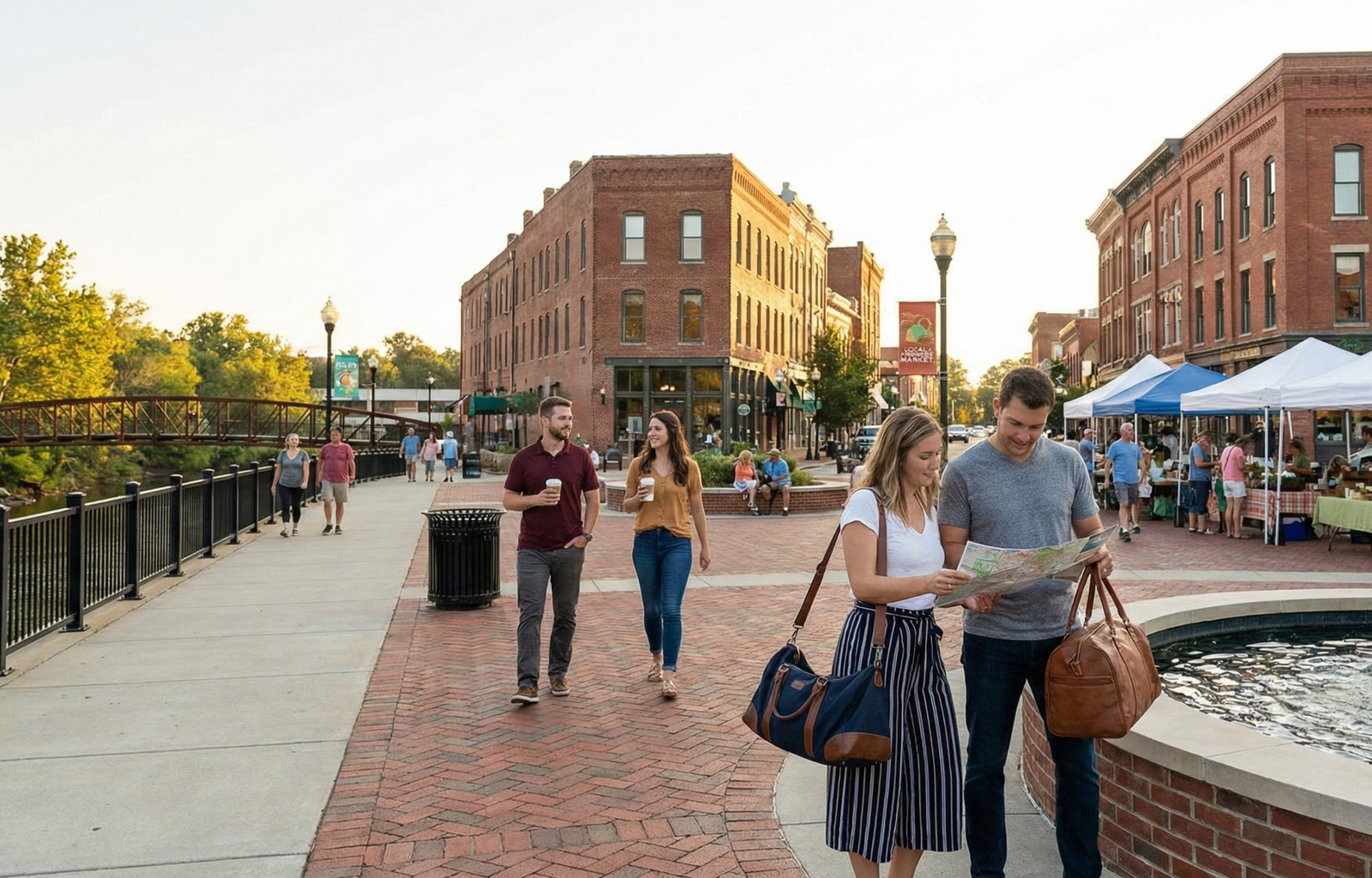
The presence of food halls has contributed to broader downtown revitalization initiatives in Spokane. By attracting visitors and creating reasons for people to spend time downtown, these venues help activate previously underutilized areas and encourage investment in adjacent properties and businesses.
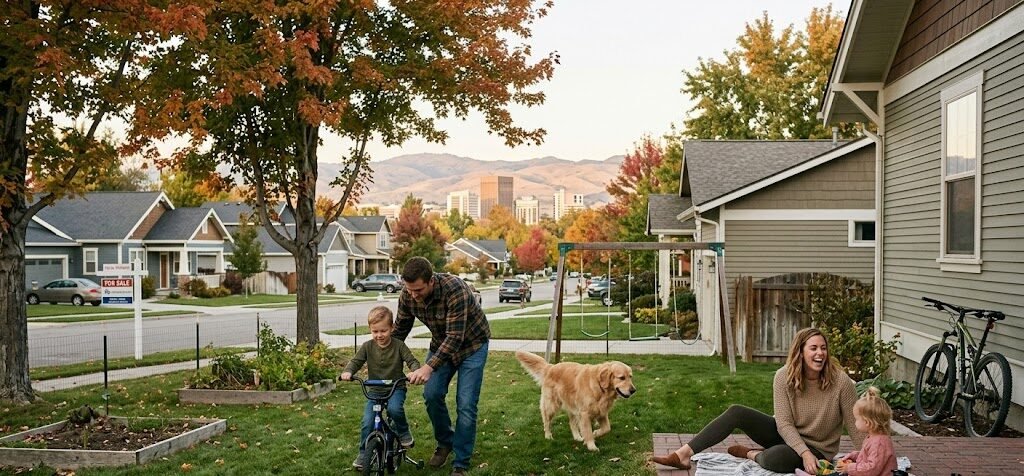
The increased energy and vibrancy in downtown spaces have helped shift public perception, transforming the area from a location people merely pass through into a destination where they want to spend time. This cultural shift has cascading effects on property values, business development, and overall community vitality.
The Future of Food Hall Culture in Spokane
The success of food halls in downtown Spokane suggests a promising trajectory for continued growth in this sector. As more vendors recognize the opportunities these venues provide and more consumers embrace the food hall concept, expansion and innovation within the space seem likely.
Future developments may include:
- Additional food hall locations throughout downtown
- Seasonal and themed food hall experiences
- Integration with entertainment and cultural programming
- Enhanced sustainability and local sourcing initiatives
- Technology integration for improved ordering and payment systems
Conclusion
Food hall culture has emerged as a transformative force in downtown Spokane, revitalizing urban spaces while supporting local entrepreneurs and celebrating culinary excellence. By providing affordable platforms for independent food vendors and creating vibrant community gathering spaces, food halls address multiple urban development goals simultaneously. As this trend continues to evolve, downtown Spokane stands to benefit from increased economic activity, enhanced cultural vitality, and strengthened community connections rooted in the universal appeal of exceptional food and shared experiences.