Nestled in the eastern reaches of Washington State, Spokane stands as a vibrant metropolitan hub and the second-largest city in the state. Known affectionately as the “City of Spokane” or simply “Spokane,” this dynamic community has earned its reputation as a premier destination for those seeking a balanced lifestyle that combines urban sophistication with natural beauty. The Spokane River winds through the city’s heart, creating a distinctive character that defines what many consider the quintessential Pacific Northwest living experience.
The Geographic Advantage: Location and Accessibility
Spokane’s strategic position within the Inland Empire provides residents with significant geographic advantages. Located approximately 280 miles northeast of Seattle and just 80 miles south of the Canadian border, the city serves as a natural crossroads for commerce and culture. This central location enables easy access to diverse recreational opportunities, from mountain ranges to agricultural valleys, making it an ideal base for those who value both urban amenities and outdoor exploration.
The city’s transportation infrastructure supports its role as a regional center, with Spokane International Airport offering numerous flight options and Interstate 90 providing seamless connections to major Pacific Northwest destinations. This accessibility has made Spokane increasingly attractive to remote workers, entrepreneurs, and professionals seeking a high quality of life without the congestion of larger metropolitan areas.
The Spokane River: Nature’s Defining Feature
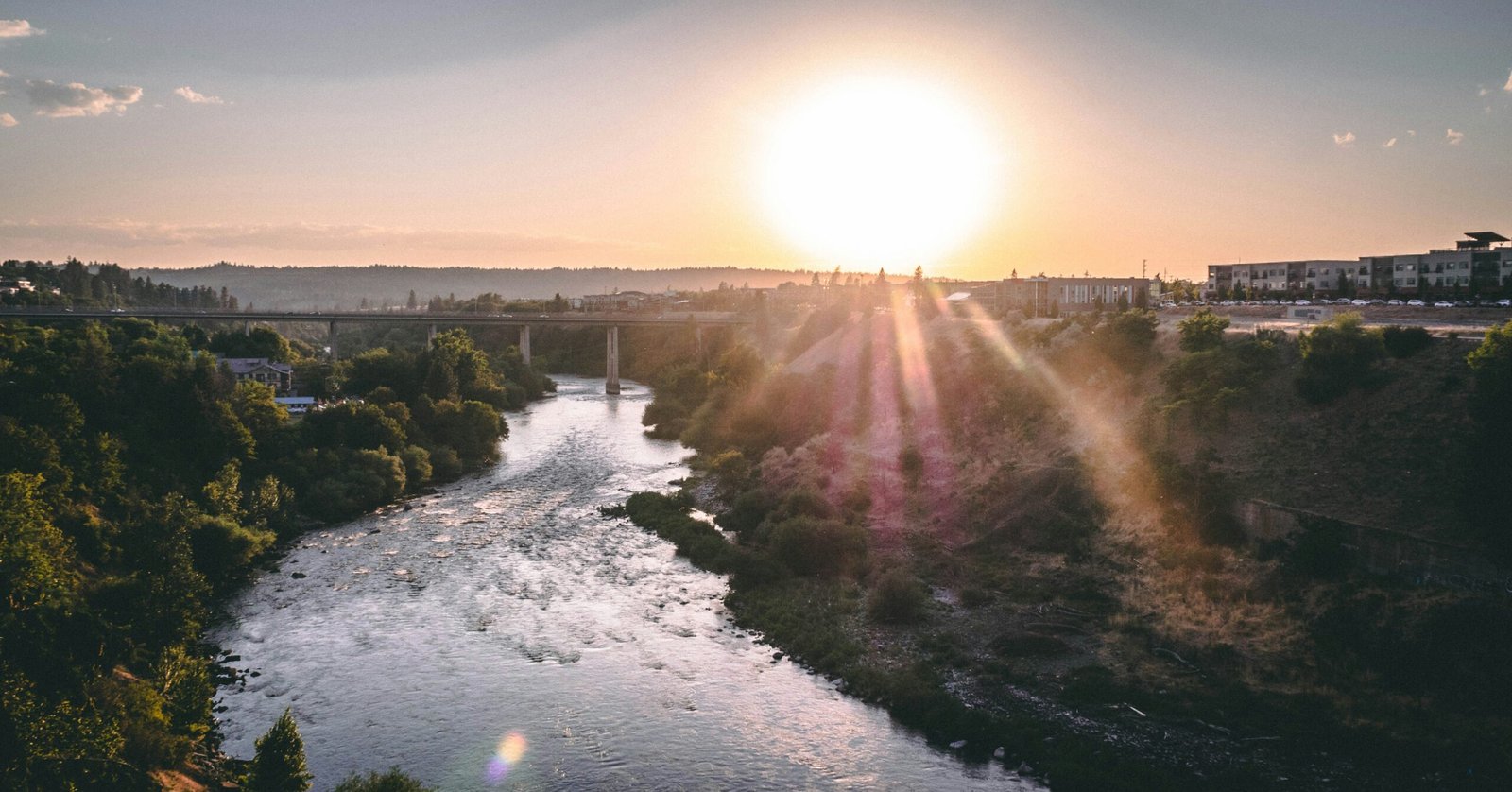
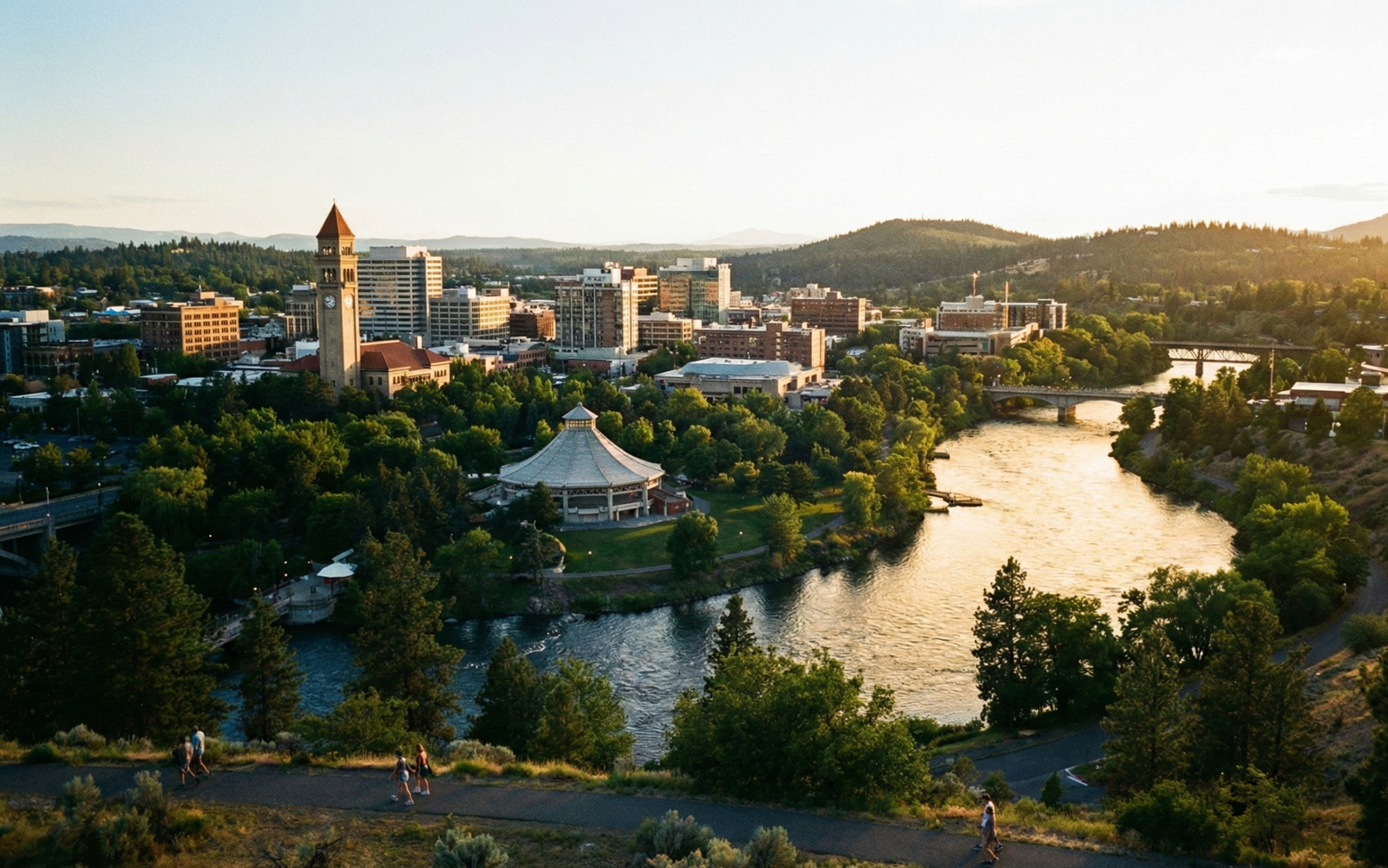
The Spokane River functions as more than a geographical landmark—it represents the lifeblood of the community. This dynamic waterway creates a scenic backdrop for daily life and provides numerous recreational opportunities for residents and visitors alike. The river corridor has been thoughtfully developed to include parks, trails, and public spaces that encourage active engagement with nature.
Key features along the Spokane River include:
- Riverfront parks with walking and cycling paths
- Scenic overlooks and picnic areas
- Opportunities for fishing, kayaking, and water sports
- Historic bridges connecting neighborhoods and attractions
- Cultural venues and public gathering spaces
Urban Culture and Entertainment
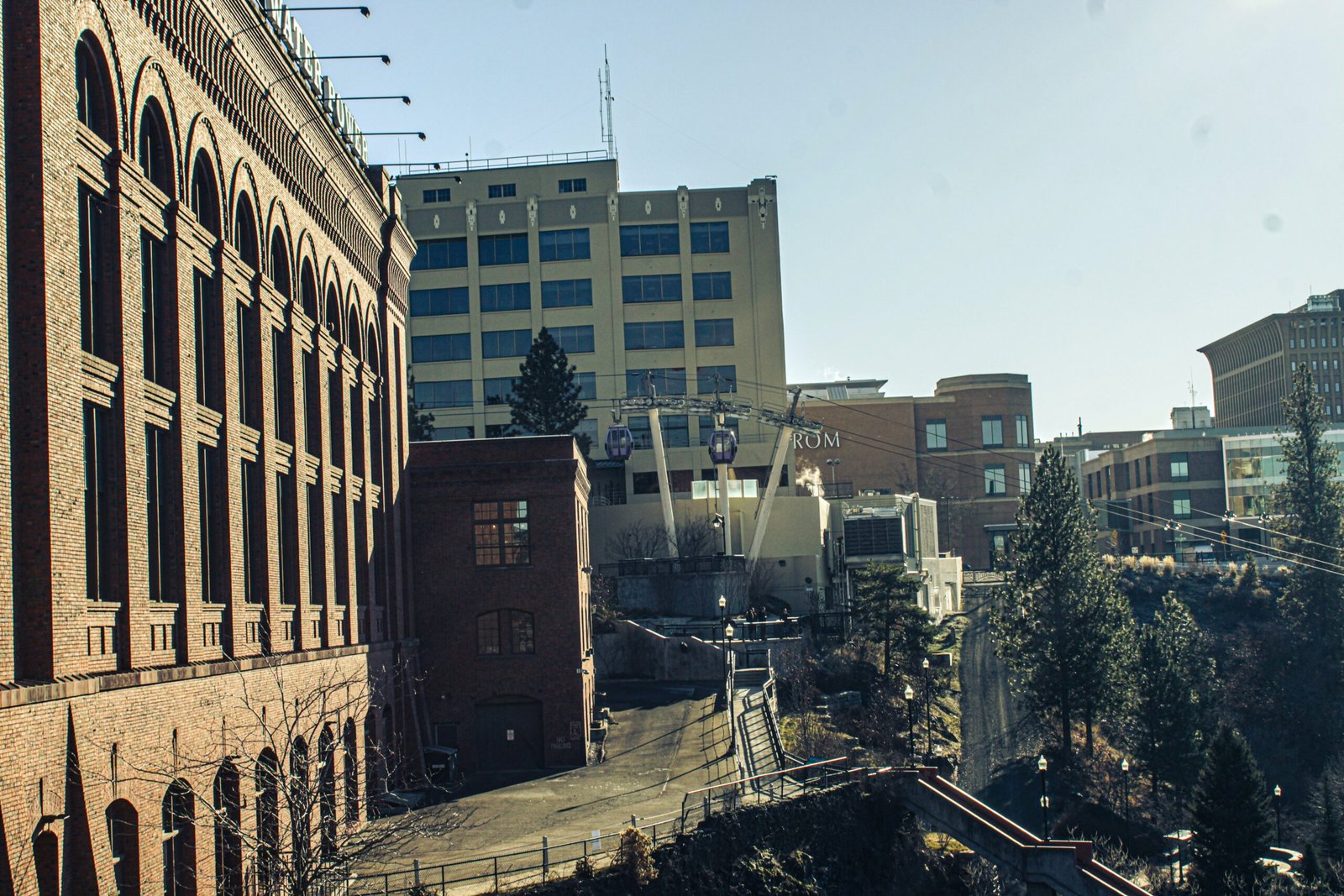
Despite its smaller size compared to West Coast metropolises, Spokane offers a surprisingly robust cultural landscape. The downtown district has undergone significant revitalization, transforming historic buildings into modern spaces for dining, shopping, and entertainment. The city’s commitment to preserving its architectural heritage while embracing contemporary development has created a unique aesthetic that appeals to both history enthusiasts and modern-minded residents.
Cultural attractions include performing arts centers, museums, galleries, and music venues that host world-class performances and exhibitions. The city’s food scene reflects both traditional Pacific Northwest influences and innovative contemporary cuisine, with locally-sourced ingredients playing a prominent role in regional restaurants.
Climate and Seasons
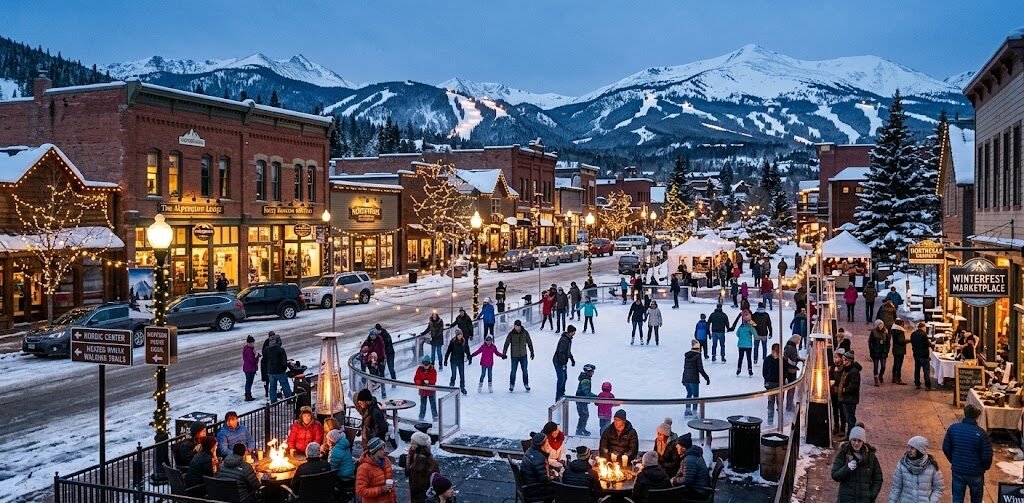
Spokane’s inland location creates a distinct four-season climate that differs markedly from Western Washington’s maritime conditions. The city experiences warmer summers with abundant sunshine, mild spring and fall seasons, and snowy winters that transform the landscape into a winter wonderland. This climate pattern provides residents with diverse seasonal activities and genuine seasonal changes—a characteristic appreciated by many who find it refreshing compared to milder, cloudier regions.
The abundance of sunshine throughout the year contributes to the community’s overall quality of life and supports the active outdoor culture that defines Spokane living.
Residential Character and Neighborhoods
Spokane’s diverse neighborhoods each possess distinct characteristics while contributing to the city’s overall charm. From historic residential areas featuring classic architecture to newer developments offering contemporary amenities, the city accommodates various lifestyle preferences and housing needs. Many neighborhoods maintain strong community identities with local shops, restaurants, and gathering spaces that foster neighborhood pride and social connection.
Residential real estate in Spokane remains more accessible than comparable properties in larger metropolitan areas, making homeownership achievable for a broader demographic range. This affordability, combined with quality housing stock and established neighborhoods, has attracted families, young professionals, and retirees alike.
Economic Vitality and Employment
The Spokane economy has diversified significantly in recent years, moving beyond its historical dependence on natural resources and agriculture. Today, the city supports robust healthcare, technology, education, and service sectors. Major employers include Providence Health & Services, Gonzaga University, and various government agencies, providing stable employment opportunities across multiple industries.
The growth of remote work opportunities has further expanded economic possibilities for Spokane residents, allowing professionals to maintain employment with national and international companies while enjoying the benefits of small-city living.
Education and Community Development
Spokane is home to Gonzaga University, a prestigious institution that enhances the city’s educational and cultural profile. The university’s presence attracts scholars, researchers, and students from around the world, contributing to the community’s intellectual vitality. Public education is supported by well-regarded school districts that serve the metropolitan area.
Community development initiatives continue to shape Spokane’s future, with investments in infrastructure, public spaces, and economic development projects that position the city for sustainable growth while maintaining its essential character.
Recreation and Outdoor Pursuits
For those who prioritize outdoor recreation, Spokane presents exceptional opportunities. The surrounding region offers world-class hiking, skiing, mountain biking, and fishing. Multiple ski resorts within reasonable driving distance provide winter recreation, while summer months open possibilities for camping, rock climbing, and water sports.
The city’s commitment to maintaining parks and public recreation spaces ensures that residents have ready access to green spaces regardless of their location within the metropolitan area.
Community Spirit and Quality of Life
Spokane residents consistently cite community spirit and quality of life as defining characteristics of their city. The pace of life is noticeably slower than major metropolitan centers, yet the city offers sufficient cultural and entertainment options to prevent monotony. This balance has created a community where neighbors know one another, local businesses thrive, and civic engagement remains strong.
Events throughout the year—from seasonal festivals to outdoor concerts—bring residents together and reinforce the sense of shared community identity that makes Spokane distinctive.