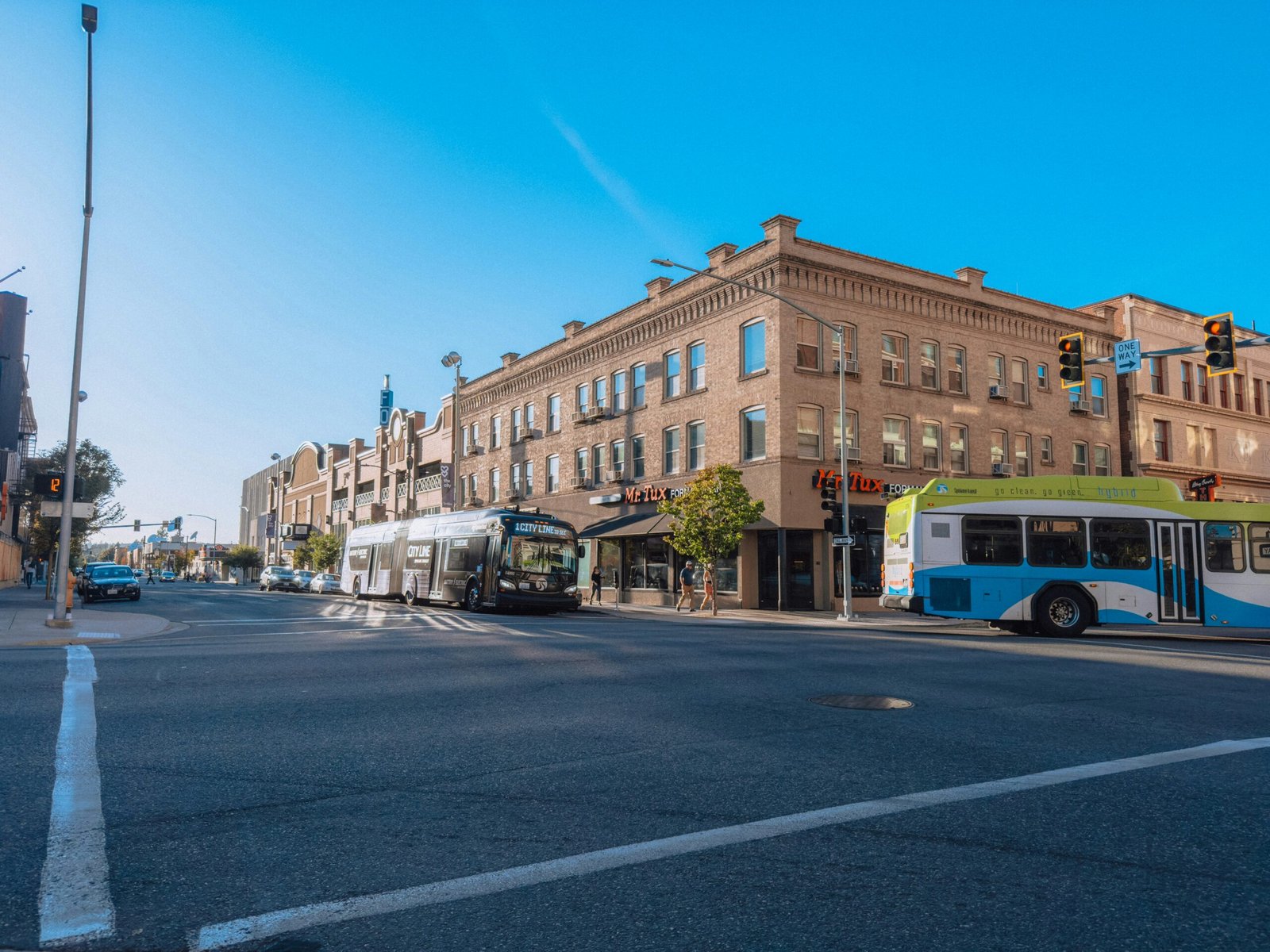
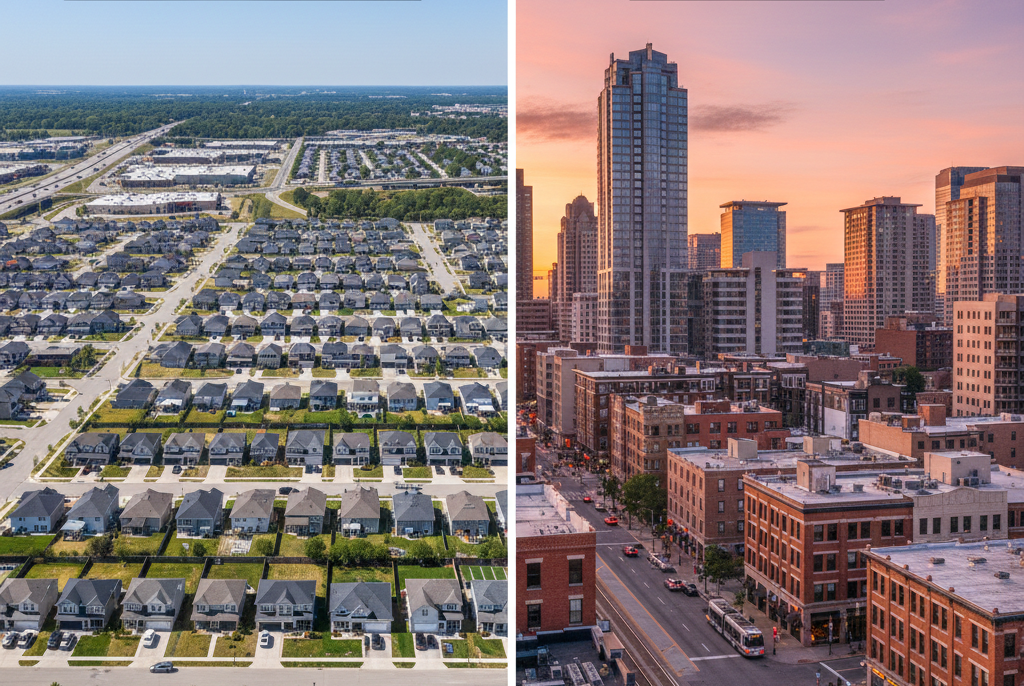
Secondary cities represent a critical segment of the real estate market, often characterized by their position between major metropolitan centers and smaller towns. These mid-sized urban areas have emerged as increasingly important destinations for residential investment and relocation, particularly as remote work has transformed housing preferences across North America and beyond. The housing markets in secondary cities present a fascinating dichotomy between suburban sprawl development patterns and urban core revitalization initiatives.
The Suburban Sprawl Model in Secondary Cities
Suburban sprawl in secondary cities typically manifests through horizontal expansion at the periphery of established urban areas. This development pattern has historically offered several compelling advantages for both developers and homebuyers:
- Lower land acquisition costs compared to urban core properties
- Opportunity to build new, modern housing stock with contemporary amenities
- Larger lot sizes and single-family home options appealing to families
- Lower property taxes in many jurisdictions
- Greater perceived safety and community cohesion in newer neighborhoods
However, suburban sprawl in secondary cities also presents significant challenges. Extended commutes, increased automobile dependency, infrastructure strain, and environmental concerns have prompted many municipalities to reconsider growth patterns. The fiscal costs of maintaining dispersed infrastructure, including roads, utilities, and emergency services, have become increasingly evident to municipal planners and taxpayers alike.
Urban Core Revitalization Initiatives
Conversely, urban core housing markets in secondary cities have experienced renewed interest as development priorities have shifted. Downtown revitalization projects, adaptive reuse of historic buildings, and mixed-use development have transformed many urban cores into vibrant residential destinations. These initiatives offer distinct advantages:
- Walkability and reduced reliance on personal vehicles
- Proximity to employment, entertainment, and cultural amenities
- Investment in public transportation infrastructure
- Preservation of architectural heritage and community character
- Enhanced quality of life through urban density and mixed-use developments
Urban core properties in secondary cities often command premium pricing due to these lifestyle benefits and the limited supply of available land. Additionally, younger demographics and empty-nesters increasingly demonstrate preference for urban living arrangements that prioritize convenience and community engagement over suburban isolation.
Market Dynamics and Economic Factors
The interplay between suburban and urban core markets in secondary cities is substantially influenced by economic conditions, demographic trends, and policy decisions. Employment opportunities, education quality, healthcare accessibility, and cultural offerings significantly impact where residents choose to establish residency. Secondary cities with diversified economies and strong urban cores tend to experience more balanced housing markets, whereas those dependent on single industries may experience volatility.
Investment patterns further illustrate market divergence. Institutional investors frequently target suburban sprawl developments for predictable returns on single-family rentals, while private equity and real estate funds increasingly focus on urban core mixed-use projects with higher density and commercial integration potential.
Infrastructure and Sustainability Considerations
Infrastructure planning represents a critical factor distinguishing successful secondary city housing markets from struggling ones. Cities that have invested proactively in transit-oriented development, water and sewer infrastructure modernization, and walkable neighborhood design tend to attract more investment and population growth. Sustainability concerns, including carbon emissions reduction and environmental stewardship, increasingly influence both municipal policy and consumer decision-making regarding housing location.
The long-term viability of suburban sprawl models is increasingly questioned by climate scientists, urban planners, and environmental advocates. Secondary cities positioned to accommodate growth through dense, mixed-use urban core development while limiting peripheral sprawl typically achieve superior environmental and economic outcomes.
The Future of Secondary City Housing Markets
Forward-looking secondary cities are adopting balanced growth strategies that accommodate both market segments while managing expansion intelligently. Smart growth initiatives, inclusionary zoning policies, and strategic infill development represent compromise approaches enabling cities to capture benefits of urban vitality while maintaining suburban options for those who prefer them.
Remote work normalization continues reshaping secondary city housing demand. Professionals no longer bound to major metropolitan employment centers increasingly relocate to secondary cities offering superior quality of life, affordability, and community qualities. This demographic shift favors secondary cities with diversified housing options—both suburban and urban—capable of accommodating varied preferences and budgets.
Investment Opportunities and Risk Assessment
Real estate investors evaluating secondary city housing markets must carefully assess local fundamentals, growth trajectories, and policy environments. Markets experiencing genuine urban renaissance, supported by employment growth and demographic inflow, offer compelling appreciation potential. Conversely, secondary cities experiencing population decline or dependent on declining industries present elevated risks regardless of development pattern.
Successful investment strategies often involve identifying secondary cities in early stages of transformation, where property values remain relatively accessible before broader market recognition drives appreciation. Particular attention should be directed toward communities implementing progressive planning policies, investing in infrastructure, and actively attracting and retaining talent.
Conclusion
The dichotomy between suburban sprawl and urban core housing markets in secondary cities reflects broader tensions between different visions of community development and quality of life. Rather than viewing these approaches as mutually exclusive, increasingly sophisticated secondary cities are pursuing integrated strategies accommodating diverse preferences while managing growth sustainably. Success requires municipal leadership, strategic planning, and market responsiveness to evolving demographic and economic realities. As secondary cities continue gaining prominence in national real estate markets, understanding these dynamics becomes essential for investors, policymakers, and residents alike.