Understanding the Rust Belt: A Region in Transition
The Rust Belt, traditionally encompassing the industrial heartland of the northeastern and midwestern United States, has long been synonymous with economic decline and urban decay. Once the backbone of American manufacturing, cities throughout this region experienced significant population losses and infrastructure deterioration following the decline of heavy industry in the latter half of the twentieth century. However, a new narrative is emerging—one of resilience, innovation, and purposeful urban renewal.
Northwest cities within this broader Rust Belt context are increasingly positioned at the forefront of this regional transformation. Through strategic reinvestment, cultural revitalization, and economic diversification, these municipalities are actively rebuilding not only their physical infrastructure but also their collective identity and sense of purpose.
The Historical Context of Industrial Decline
The trajectory of Rust Belt cities is intrinsically linked to the evolution of American manufacturing. Throughout the mid-twentieth century, steel mills, automotive plants, and related industries provided stable employment and sustained economic growth. However, globalization, automation, and corporate restructuring fundamentally altered this landscape, leaving behind abandoned factories, vacant commercial districts, and communities struggling to adapt to rapid economic transformation.
This decline profoundly affected northwest industrial centers, which had built their entire economic and social structures around manufacturing employment. Population exodus, reduced tax revenues, and deteriorating public infrastructure created a challenging environment for recovery. Yet, these same challenges have catalyzed creative responses from local leaders, entrepreneurs, and engaged citizens.
Strategies for Economic Diversification
Successful Rust Belt revival initiatives prioritize economic diversification beyond traditional manufacturing. Forward-thinking cities are cultivating new economic engines through multiple complementary approaches:
- Technology and Innovation Hubs: Northwestern cities are attracting tech companies and startups through competitive incentives, improved broadband infrastructure, and supportive business environments. These knowledge-based industries create high-wage employment opportunities distinct from legacy manufacturing.
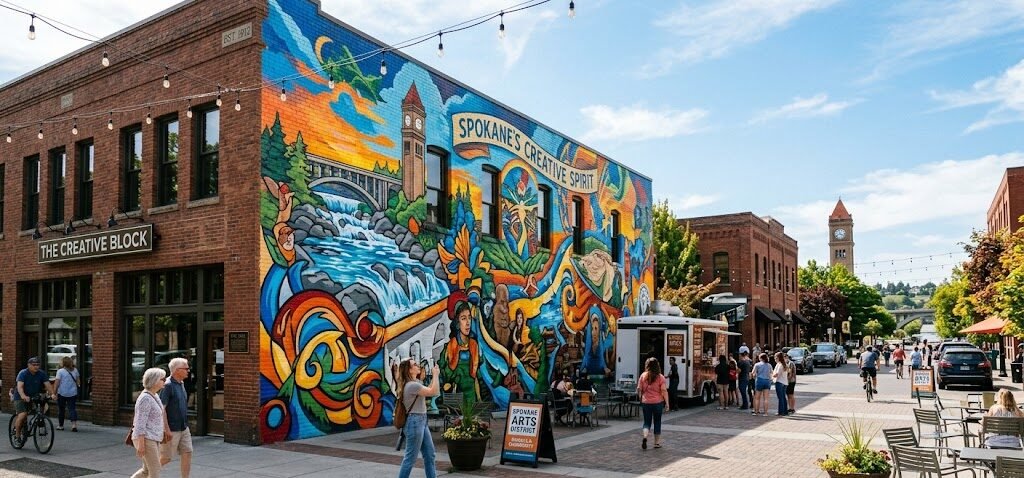
- Creative Industries and Arts: Cultural institutions, artists’ communities, and creative enterprises revitalize downtown areas, generate employment, and enhance quality of life. These sectors attract younger demographics and contribute to distinctive urban identities.
- Advanced Manufacturing: Rather than abandoning manufacturing entirely, progressive cities are positioning themselves for advanced production technologies, including precision manufacturing, aerospace components, and specialized industrial equipment.
- Healthcare and Education: Major medical centers and universities serve as anchors for employment, research, and economic development, providing stable institutional foundations for community growth.
- Sustainable Energy and Environmental Industries: Investment in renewable energy, environmental remediation, and green manufacturing aligns economic development with contemporary sustainability imperatives.
Urban Revitalization and Infrastructure Investment
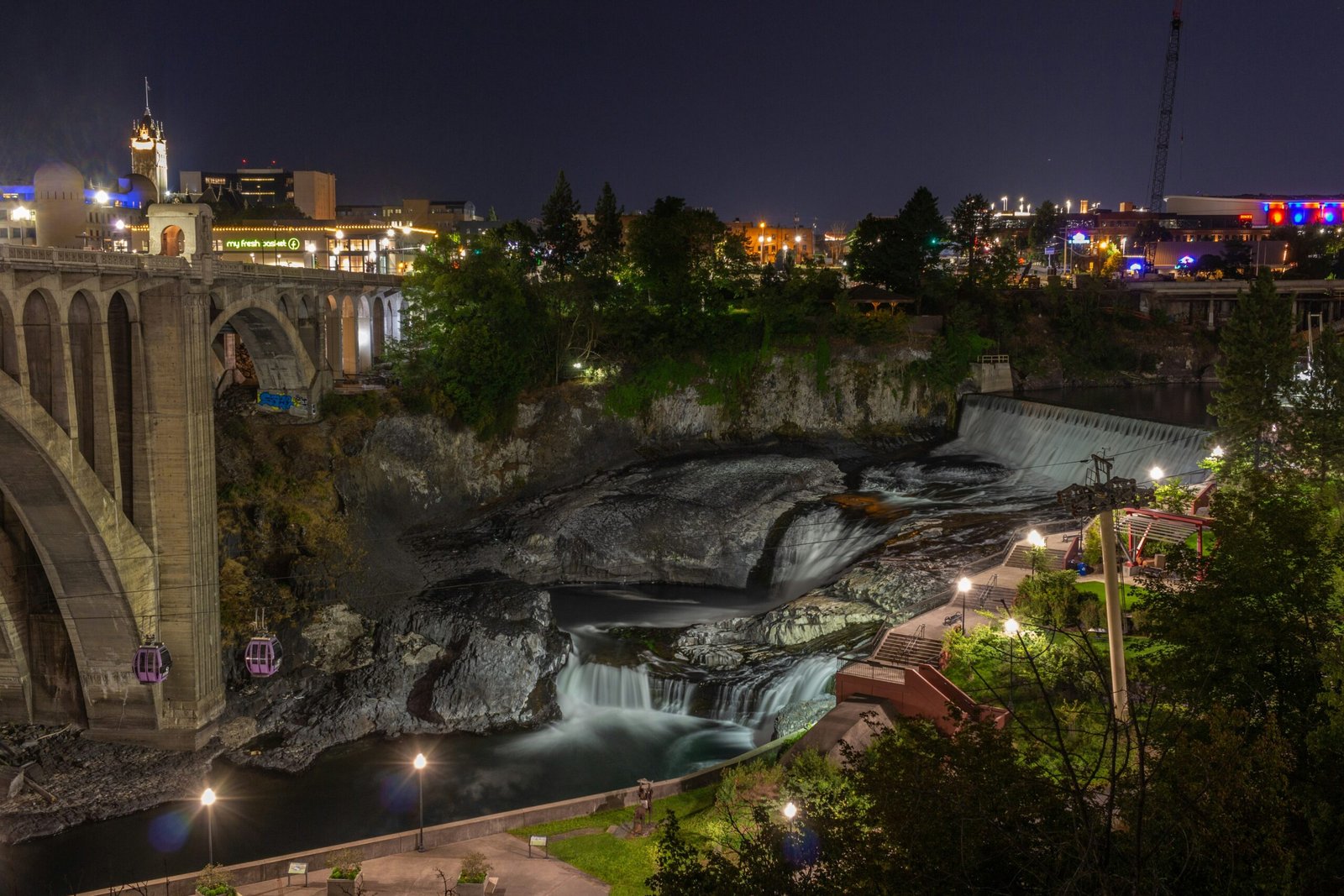
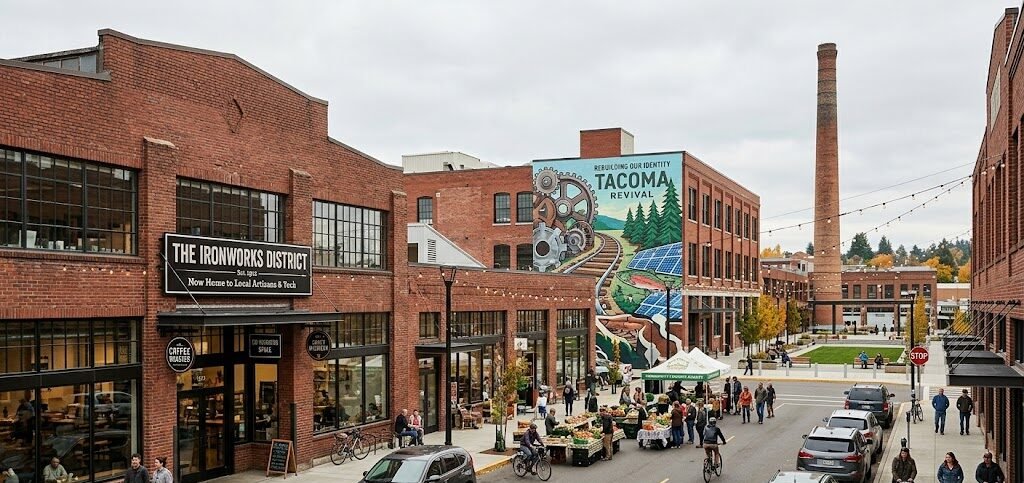
Physical transformation constitutes a visible component of Rust Belt revival efforts. Northwest cities are strategically investing in infrastructure modernization and urban renewal projects that serve multiple objectives simultaneously. Waterfront redevelopment initiatives transform formerly industrial riverside areas into mixed-use residential and commercial districts. Historic building renovation preserves architectural heritage while creating contemporary office space, apartments, and cultural venues.
Public transit improvements enhance mobility and reduce reliance on automobile transportation. Streetscape enhancements, including improved lighting, green infrastructure, and pedestrian amenities, make downtown areas more inviting and accessible. These tangible improvements signal commitment to community renewal and encourage private investment in surrounding properties.
Cultural Identity and Community Engagement
Beyond economic metrics, Rust Belt revival fundamentally involves reshaping community identity and fostering civic pride. Northwestern cities are celebrating their industrial heritage through museums, public art installations, and historical preservation initiatives that reframe manufacturing history as a source of identity rather than merely a symbol of decline.
Community engagement proves essential to this transformation. Successful revival efforts incorporate residents in planning processes, support grassroots organizations, and amplify local voices in decision-making. This participatory approach ensures that development reflects community values and builds social cohesion necessary for sustained progress.
Challenges and Obstacles to Progress
Despite positive momentum, Rust Belt cities confront substantial obstacles in their revival efforts. Limited municipal budgets constrain investment capacity, requiring strategic prioritization and leveraging of private capital. Legacy environmental contamination from decades of industrial activity necessitates costly remediation. Workforce skill gaps demand significant educational and training investments. Population decline in some areas persists despite revitalization efforts, presenting ongoing challenges for tax base recovery.
Additionally, regional disparities within the Rust Belt create uneven recovery patterns. While some northwestern cities demonstrate robust growth, others struggle to attract investment or retain residents. Sustained, coordinated regional efforts remain necessary to ensure equitable progress.
Success Stories from Northwest Industrial Centers
Particular northwestern cities have emerged as models for effective Rust Belt revival. Through combination of strategic planning, entrepreneurial leadership, and sustained community commitment, these communities demonstrate measurable progress across economic, social, and cultural indicators. Their experiences provide valuable lessons for other regions facing similar transitions.
These success stories share common characteristics: diversified economic development strategies, investment in quality of life amenities, preservation of cultural heritage, and meaningful community engagement. Each city has leveraged distinctive local assets—whether natural resources, educational institutions, cultural traditions, or geographic advantages—to chart recovery pathways suited to particular circumstances.
The Role of Technology and Innovation
Emerging technologies present both opportunities and challenges for Rust Belt communities. Digital infrastructure development enables remote work and attracts distributed workforce arrangements, potentially benefiting smaller industrial cities. Advanced manufacturing technologies can support upgraded production facilities. However, technological displacement of traditional employment requires proactive workforce development responses.
Successful communities integrate technology adoption with human capital investment, ensuring that residents possess skills to participate in innovation-driven economies. Partnerships between educational institutions, technology companies, and workforce development organizations facilitate this transition.
Sustainability and Future Development
Contemporary Rust Belt revival incorporates sustainability principles reflecting current environmental imperatives and evolving consumer values. Green building standards, renewable energy transitions, and environmental remediation efforts simultaneously address climate concerns and economic opportunity. Sustainable development attracts environmentally conscious residents and businesses while improving quality of life.
Long-term revival requires integration of sustainability across economic development, infrastructure planning, and community priorities. Cities positioning themselves as sustainable, livable communities enhance competitive advantages in attracting talent and investment.