Introduction to Urban Green Infrastructure
Modern cities face unprecedented challenges in balancing urban development with environmental sustainability. One of the most effective solutions gaining traction worldwide is the strategic implementation of urban trails and green infrastructure. These interconnected systems of parks, pathways, and natural spaces are fundamentally transforming how cities function, offering solutions that extend far beyond aesthetic appeal.
Urban trails represent more than recreational amenities; they are critical infrastructure components that address pressing urban challenges including air quality deterioration, stormwater management, heat island effects, and public health concerns. By integrating green infrastructure throughout metropolitan landscapes, cities can create resilient environments that benefit residents, local ecosystems, and urban economies simultaneously.
The Multifaceted Benefits of Urban Trails
Environmental Impact and Climate Resilience
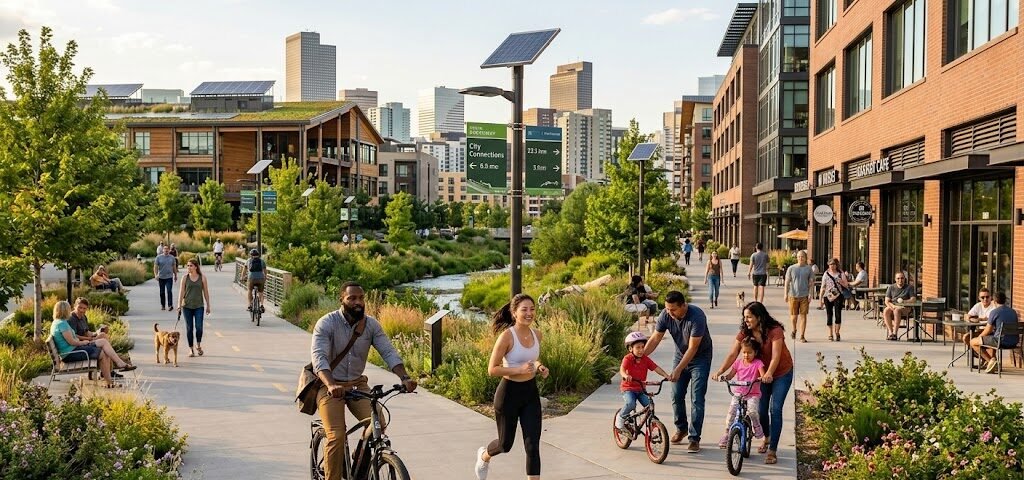
Green infrastructure systems play a vital role in mitigating the environmental consequences of urbanization. Urban trails and connected green spaces significantly reduce carbon emissions by promoting walking and cycling as viable transportation alternatives to automobiles. This shift in mobility patterns contributes to measurable improvements in air quality and reduces the urban carbon footprint.
Additionally, vegetation along urban trails facilitates stormwater management by allowing natural infiltration rather than forcing water into overwhelmed storm drains. This natural filtration process reduces flooding risks during heavy precipitation events while replenishing groundwater supplies. Trees and vegetation also combat the urban heat island effect by providing shade and facilitating evaporative cooling, reducing ambient temperatures by several degrees in surrounding areas.
Public Health and Wellness
The accessibility of urban trails directly correlates with increased physical activity levels among city residents. Regular use of these green pathways has been associated with reduced obesity rates, lower incidence of cardiovascular diseases, and improved mental health outcomes. The presence of natural elements along trails contributes to stress reduction and enhanced psychological well-being.
Urban trails also promote social cohesion by creating communal gathering spaces that encourage interaction among diverse populations. These shared spaces strengthen neighborhood bonds and foster a sense of community pride and collective responsibility for urban environments.
Economic Value and Property Enhancement
Properties adjacent to well-maintained urban trails consistently command higher market values. Research demonstrates that proximity to green infrastructure can increase property values by 5-10%, generating increased tax revenues for municipalities. Furthermore, vibrant trail systems attract businesses, particularly those in the wellness, outdoor recreation, and eco-tourism sectors, stimulating local economic growth.
Designing Effective Urban Trail Networks
Connectivity and Accessibility
Successful urban trail systems prioritize comprehensive connectivity, linking residential neighborhoods with employment centers, educational institutions, and recreational facilities. Strategic trail placement ensures that the majority of residents can access trails within a short walking distance from their homes.
Accessibility considerations must include features such as paved surfaces for wheelchair users, appropriate lighting for evening use, and regular maintenance schedules. Trail design should accommodate users of all abilities and ages, ensuring inclusive access to green infrastructure benefits across diverse populations.
Multi-Modal Integration
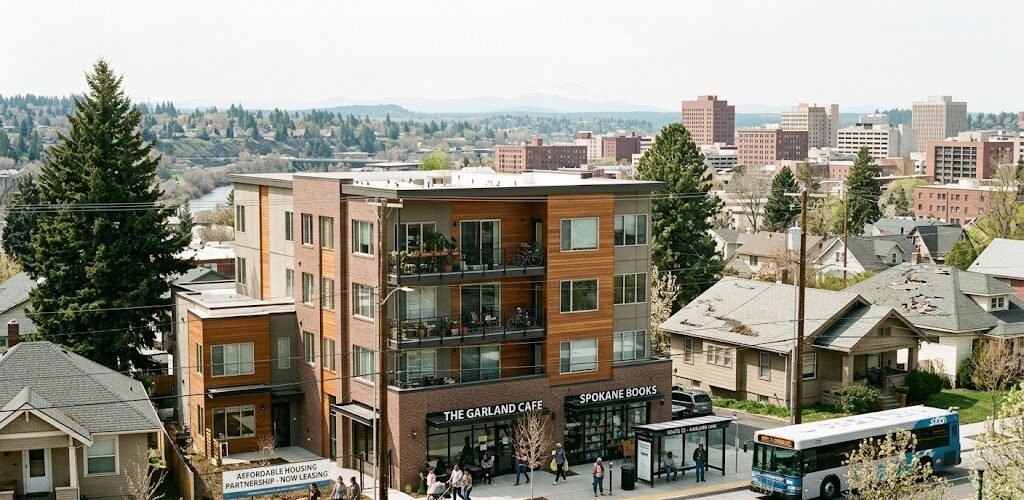
Modern urban trails function most effectively when integrated with public transportation systems. Trail networks that connect seamlessly with bus stations, subway entrances, and bike-sharing programs extend their reach and encourage broader utilization. This integration creates sustainable transportation corridors that reduce automobile dependency.
Native Vegetation and Ecological Design
Trail corridors should prioritize native plant species that support local ecosystems and require minimal maintenance input. Strategic vegetation selection enhances biodiversity by providing habitat and food sources for birds, pollinators, and other wildlife. This ecological approach creates self-sustaining systems that provide greater long-term environmental benefits.
Successful Urban Trail Case Studies
Several cities worldwide have demonstrated the transformative potential of comprehensive urban trail systems. These examples provide valuable models for municipalities considering similar initiatives:
- Copenhagen, Denmark: The city’s extensive network of cycling paths and green corridors has established it as a global leader in sustainable urban mobility, with over 60% of residents commuting by bicycle.
- Portland, Oregon: The Springwater Corridor Trail exemplifies how linear green infrastructure can revitalize underutilized urban spaces while improving community connectivity and property values.
- Singapore: The Park Connector Network integrates parks throughout the island nation, providing residents with continuous access to green spaces and establishing Singapore as a model “Garden City.”
- Madrid, Spain: The Madrid Río project transformed an underutilized riverfront into a vibrant 33-kilometer trail system that has become a signature urban amenity and economic catalyst.
Implementation Strategies and Challenges
Funding and Financial Mechanisms
Developing comprehensive urban trail networks requires substantial capital investment. Successful cities employ diverse funding strategies including municipal bonds, public-private partnerships, grant funding from environmental organizations, and development fees from adjacent properties. Life-cycle cost analysis often demonstrates that the long-term economic benefits of green infrastructure outweigh initial implementation costs through reduced healthcare expenditures, decreased stormwater management expenses, and enhanced property tax revenues.
Community Engagement and Planning
Inclusive planning processes that involve residents, businesses, and stakeholder organizations ensure that trail systems reflect genuine community needs and priorities. Public engagement during design phases increases adoption rates and generates local support essential for ongoing maintenance and operation.
Maintenance and Long-Term Stewardship
Sustainable urban trail systems require reliable funding mechanisms for ongoing maintenance, vegetation management, and safety improvements. Many cities establish dedicated maintenance budgets or community stewardship programs that distribute responsibility across municipal departments and community volunteers.
Future Directions and Innovations
Emerging technologies and design approaches continue to enhance urban trail functionality and impact. Smart trail systems incorporating sensor technology monitor usage patterns, environmental conditions, and maintenance needs in real-time. Green infrastructure innovations such as permeable pavements, bioswales, and living walls further expand the environmental benefits of trail systems.
Climate adaptation planning increasingly incorporates urban trails as essential infrastructure for building resilience to extreme weather events, temperature fluctuations, and other climate-related challenges.