The Rise of Coffee Shop Co-Working Culture
In recent years, the professional landscape has undergone a significant transformation. Remote work and flexible employment arrangements have become increasingly prevalent, reshaping where and how people choose to work. Secondary cities have emerged as unexpected beneficiaries of this shift, with coffee shops and dedicated co-working spaces becoming vital community hubs that foster collaboration, innovation, and professional growth.
The convergence of coffee culture and co-working represents more than a simple workspace trend—it reflects a fundamental change in how communities connect and professionals develop their careers. These hybrid environments have become engines of economic vitality and social cohesion in mid-sized cities across the globe.
Why Secondary Cities Are Attracting Digital Workers
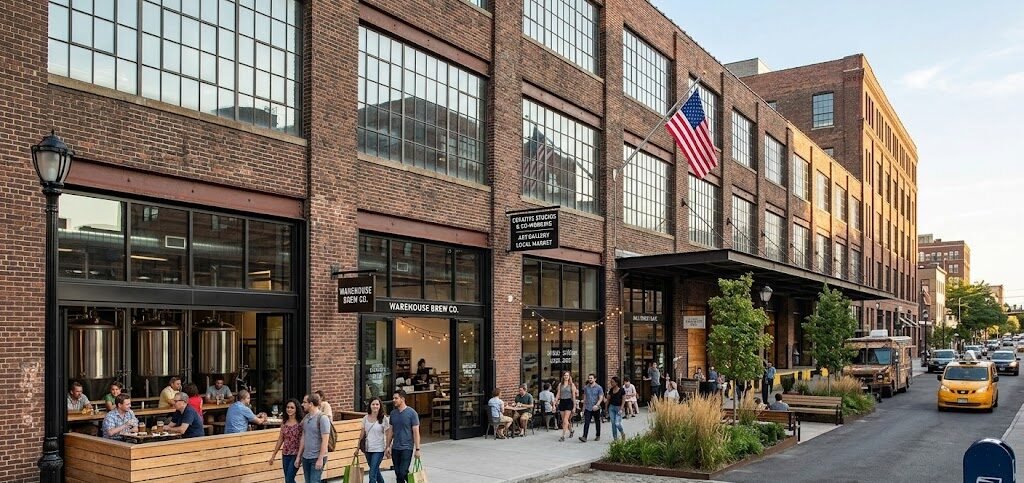
Secondary cities offer distinct advantages that appeal to modern professionals and entrepreneurs. Lower cost of living, reduced commute times, and a strong sense of community create an attractive alternative to congested metropolitan centers. Additionally, these cities often provide:
- More affordable commercial real estate for business owners
- A quieter, less chaotic work environment
- Stronger local networks and business connections
- Better work-life balance opportunities
- Growing infrastructure to support remote and flexible work arrangements
As digital connectivity has improved, the geographic constraints that once limited professional opportunities in smaller cities have dissolved. Secondary cities now compete effectively with major metropolitan areas by offering quality workspaces at a fraction of the cost.
Coffee Shops as Community Anchors
Coffee shops have historically served as gathering places for intellectual discourse and social interaction. Today, they fulfill an even broader role in secondary cities by providing informal yet professional environments for work and networking. These establishments offer several critical functions:
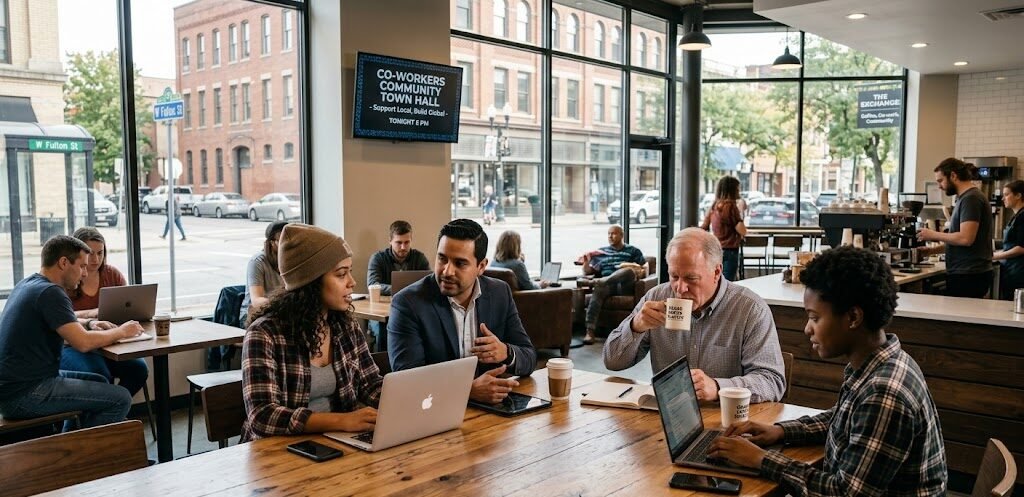
First, they provide low-barrier entry points for remote workers seeking alternatives to home offices. The modest cost of a coffee purchase grants access to functional workspaces, high-speed internet, and ambient social energy. This accessibility democratizes professional spaces, allowing freelancers, entrepreneurs, and small business owners to access quality work environments regardless of their financial capacity to rent dedicated office space.
Second, coffee shops create organic opportunities for professional networking. Unlike formal business meetings, chance encounters over coffee often lead to unexpected collaborations, partnerships, and friendships. These serendipitous connections strengthen the local business ecosystem and foster a culture of mutual support among professionals.
Dedicated Co-Working Spaces: Meeting Evolving Needs
While coffee shops serve as informal workspaces, dedicated co-working facilities address the needs of professionals requiring more robust infrastructure and amenities. These purpose-built environments typically feature:
- High-speed internet and reliable technology infrastructure
- Private meeting rooms and conference facilities
- Professional reception and administrative support
- Flexible membership models from hourly to annual plans
- Community programming and professional development opportunities
- Secure, climate-controlled work environments
Co-working spaces in secondary cities often cultivate intentional community cultures through regular networking events, skill-sharing workshops, and collaborative projects. This structured approach to community building complements the organic interactions occurring in coffee shops, creating a comprehensive ecosystem of professional support.
Building Meaningful Community Connections
The proliferation of coffee shops and co-working spaces in secondary cities has catalyzed the formation of vibrant professional communities. These environments facilitate connections that extend beyond transactional business relationships, fostering genuine community bonds among participants.
Successful coffee shop and co-working communities share several defining characteristics. They maintain welcoming, inclusive environments that embrace professionals from diverse industries and backgrounds. They prioritize quality—whether in coffee, internet connectivity, or professional services—recognizing that excellence attracts and retains community members. They also actively cultivate community through events, celebrations, and collaborative initiatives that bring members together around shared interests and values.
Economic Impact on Secondary Cities
The expansion of coffee shop culture and co-working spaces generates significant economic benefits for secondary cities. These establishments create direct employment opportunities while also attracting and retaining talented professionals who might otherwise relocate to larger metropolitan areas. The presence of vibrant work communities encourages entrepreneurship, leading to new business formation and job creation across various sectors.
Furthermore, the concentration of professionals in secondary city coffee shops and co-working spaces strengthens local economies by supporting restaurants, retail establishments, and service providers. The multiplier effect of professional populations spending locally creates a positive feedback loop of economic growth and community development.
Challenges and Considerations
While the growth of coffee shop and co-working culture in secondary cities presents tremendous opportunities, stakeholders must address several challenges. Infrastructure capacity, consistent quality standards, and equitable access remain important considerations. Secondary cities must invest in reliable technology infrastructure to support growing populations of digital workers while ensuring that these spaces remain accessible to professionals across all economic circumstances.
Additionally, the success of these communities depends on thoughtful management and commitment to inclusivity. Community leaders must resist the temptation to prioritize profit over people, maintaining the welcoming and collaborative spirit that distinguishes healthy professional communities from purely commercial ventures.
The Future of Work in Secondary Cities
As remote work solidifies its place in the professional landscape, secondary cities will likely continue attracting digital workers and entrepreneurs seeking alternatives to high-cost metropolitan areas. Coffee shops and co-working spaces will remain central to this migration, serving as the physical and social infrastructure that enables professionals to work effectively while building meaningful community connections.
The evolution of these spaces reflects a broader recognition that work is not merely an economic transaction but a social and community experience. Secondary cities that invest thoughtfully in creating welcoming, well-equipped, and intentionally designed coffee shops and co-working spaces will position themselves as attractive destinations for talented professionals and innovative businesses.
Conclusion
Coffee shops and co-working spaces have become far more than functional workplaces in secondary cities—they have become the beating heart of vibrant, connected communities. By providing affordable, accessible, and socially enriching environments for professionals, these establishments facilitate the kind of organic collaboration and community building that characterizes thriving cities.