The Timber Era: Spokane’s Foundation
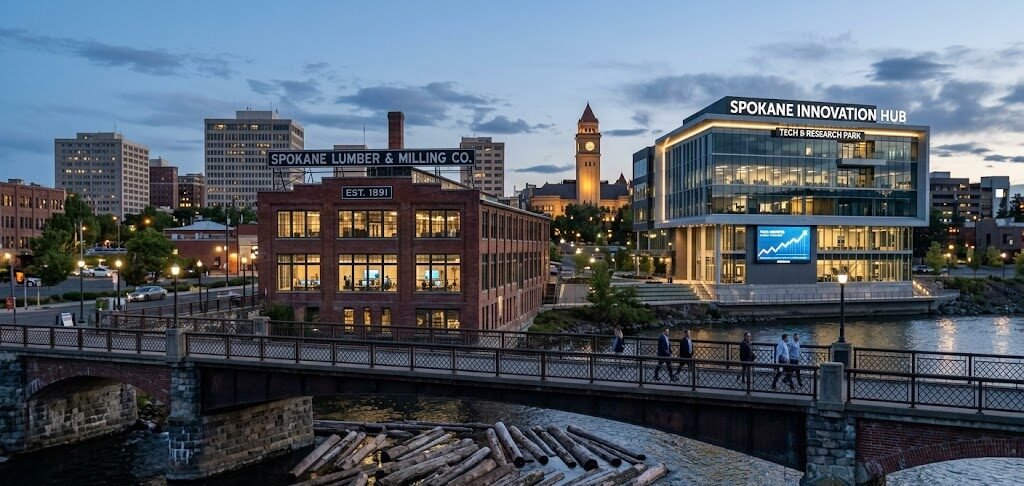
Spokane’s economic journey began in the late 19th century, when the city emerged as a major hub for the timber industry. The abundance of natural forests in the Pacific Northwest, combined with the arrival of the Northern Pacific Railway in 1883, positioned Spokane as a critical gateway for logging operations. Mills sprouted along the Spokane River, transforming raw timber into finished lumber that was shipped across the nation and beyond.
During this period, Spokane experienced explosive growth, establishing itself as one of the most important cities in the inland Northwest. The timber industry brought wealth, employment, and investment that fueled the construction of impressive Victorian architecture and public infrastructure. However, this reliance on a single industry would eventually prove to be both a strength and a vulnerability.
Economic Diversification and Industrial Expansion
As the 20th century progressed, Spokane recognized the need to diversify its economic base. While timber remained important, the city began developing other sectors including:
- Flour milling and grain processing, capitalizing on the region’s agricultural output
- Mining operations, particularly in nearby areas rich with precious metals
- Railroad and transportation services, leveraging its strategic location
- Manufacturing and light industry, creating new employment opportunities
This diversification proved essential during periods when timber markets fluctuated. The Great Depression and subsequent economic challenges were cushioned by Spokane’s varied industrial base, allowing the city to weather downturns that devastated single-industry communities.
The Service Sector Revolution
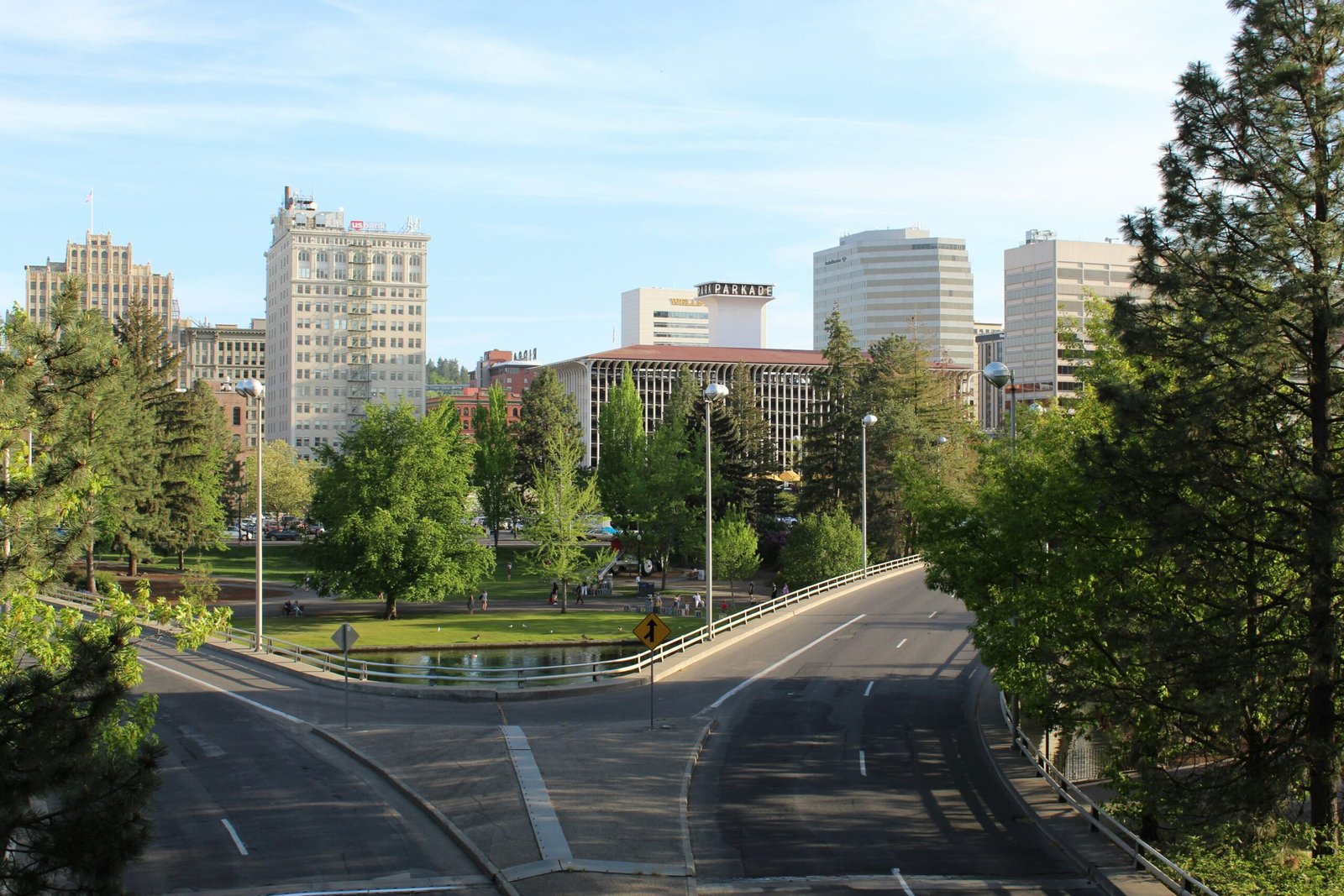
The latter half of the 20th century witnessed a significant shift in Spokane’s economic landscape. As traditional manufacturing declined, the service sector began to dominate. The city invested in healthcare facilities, educational institutions, and government services, creating a more stable economic foundation. Major employers such as Gonzaga University, the Washington State University system, and Spokane-based health networks became anchors for employment and economic growth.
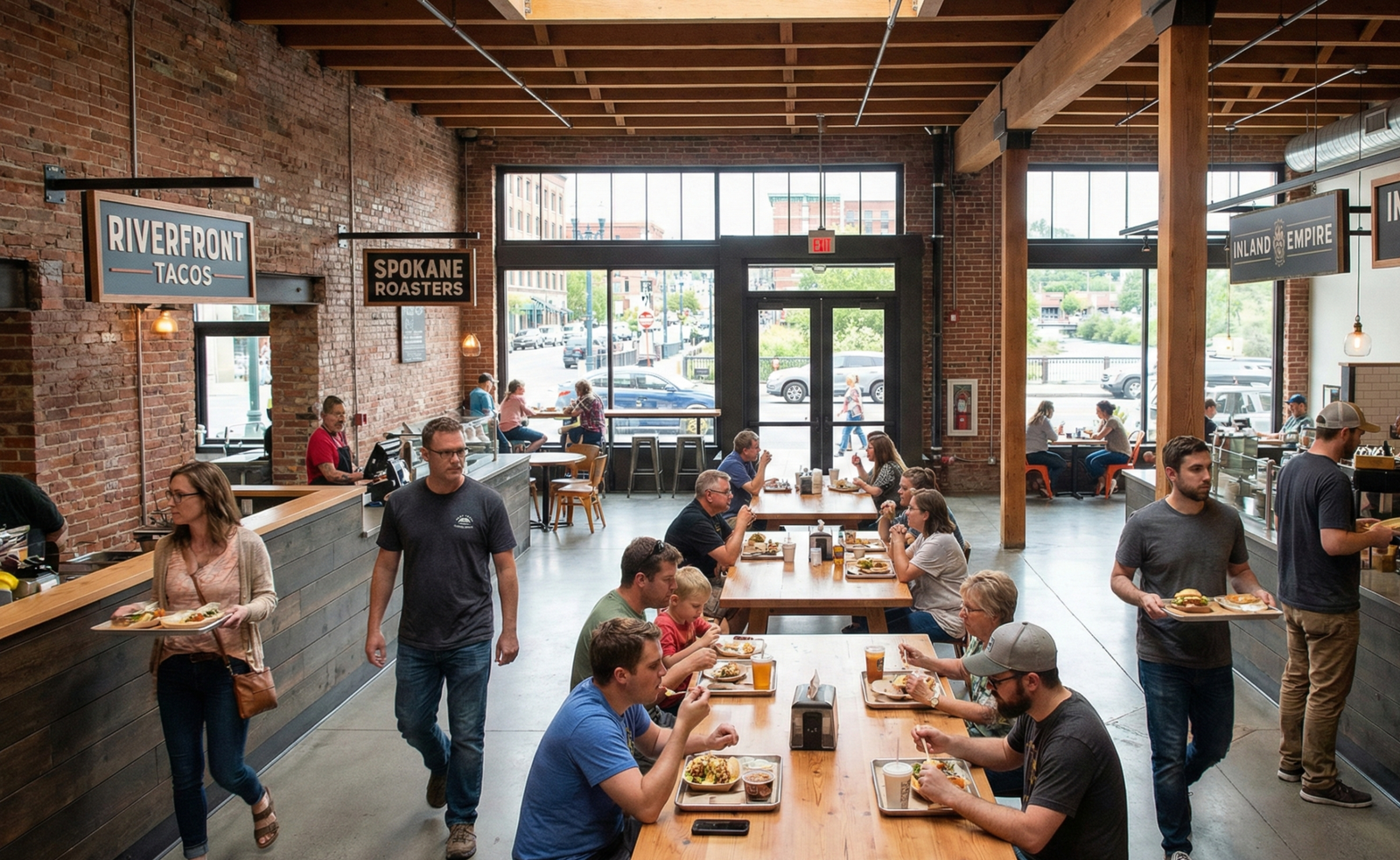
Tourism also emerged as an important economic driver, with attractions including the Riverfront Park and Centennial Trail drawing visitors from across the region. This shift reflected broader national trends toward service-based economies while allowing Spokane to leverage its natural beauty and cultural assets.
Emergence of the Technology Sector
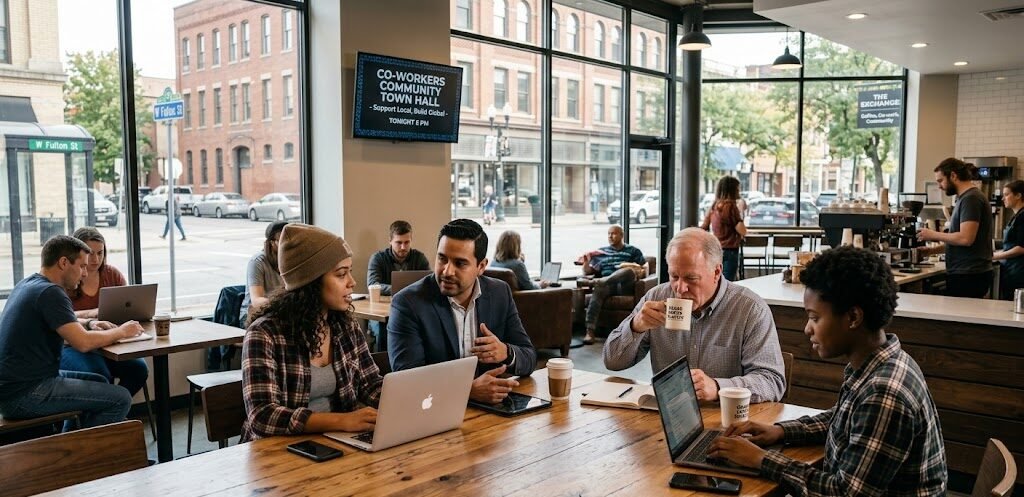
In recent decades, Spokane has undergone a transformative shift toward innovation and technology-driven economic growth. Recognizing the potential of the digital economy, city leaders and entrepreneurs have actively cultivated a thriving tech ecosystem. This transition has included:
- Development of innovation hubs and business incubators
- Attraction of technology companies and startups
- Investment in broadband infrastructure and digital connectivity
- Education and workforce development programs focused on technology skills
- Partnerships between educational institutions and private sector employers
Companies specializing in software development, cloud services, e-commerce, and digital marketing have established operations in Spokane, drawn by the combination of quality workforce, lower costs compared to major tech hubs, and quality of life factors.
Current Economic Landscape and Future Prospects
Today, Spokane’s economy represents a balanced portfolio of diverse sectors working in concert. While natural resource industries continue to play a role, they now coexist alongside a vibrant service sector, growing technology industry, and robust healthcare and education sectors. This diversification provides resilience and adaptability in an increasingly dynamic global economy.
The city’s strategic investments in infrastructure, education, and business development have positioned Spokane well for future growth. As remote work and distributed teams become increasingly common, Spokane’s lower cost of living and high quality of life make it an attractive destination for companies and individuals seeking alternatives to congested urban centers.
Looking forward, Spokane continues to evolve its economic identity while honoring its heritage. The transition from timber-dependent economy to innovation-driven growth represents not an abandonment of the past, but rather a sustainable evolution that builds upon the city’s entrepreneurial spirit and adaptability.
Conclusion: A Model of Sustainable Economic Transition
Spokane’s economic evolution from timber production to innovation exemplifies successful economic transformation. By recognizing market changes, investing in diversification, and embracing new opportunities, the city has built a resilient and dynamic economy. As Spokane continues to develop its technology sector and attract forward-thinking businesses, it serves as a compelling model for other communities navigating the complexities of economic change in the 21st century.