
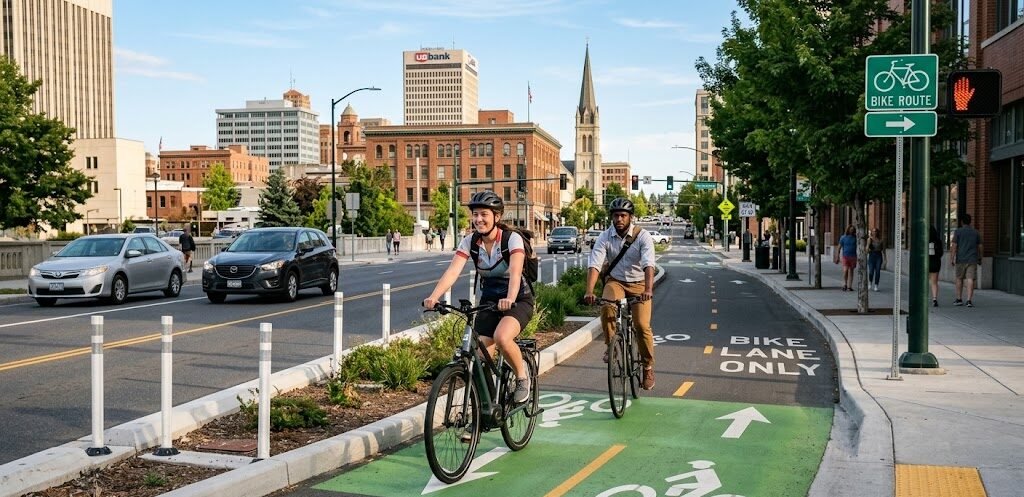
The Rise of Cycling in Spokane’s Urban Landscape
Spokane, Washington, is experiencing a significant transformation in urban mobility, with cycling emerging as a cornerstone of the city’s sustainable transportation strategy. As communities worldwide seek alternatives to automobile-dependent infrastructure, Spokane has positioned itself at the forefront of this movement, reshaping how residents and visitors navigate the urban environment.
Understanding Spokane’s Cycling Infrastructure
The development of comprehensive cycling infrastructure has been fundamental to Spokane’s transformation. The city has invested substantially in creating a network of bike lanes, multi-use paths, and cycling corridors that connect major residential areas, commercial districts, and employment centers. This strategic expansion makes cycling a practical and attractive transportation option for commuters of all skill levels.
Key infrastructure components include:
- Protected bike lanes that separate cyclists from vehicular traffic
- Multi-use trails that serve both transportation and recreational purposes
- Bike parking facilities at transit hubs and commercial locations
- Improved signage and wayfinding systems for cyclists
- Grade-separated crossings that enhance safety at major intersections
Environmental and Health Benefits
The expansion of cycling infrastructure in Spokane contributes substantially to environmental sustainability. By reducing reliance on personal vehicles, the cycling network helps decrease greenhouse gas emissions, improve air quality, and reduce traffic congestion in urban corridors. These environmental improvements create a healthier community for current and future residents.
Beyond environmental considerations, cycling promotes significant public health benefits. Regular cycling reduces the incidence of cardiovascular disease, obesity, and other chronic health conditions. As more Spokane residents incorporate cycling into their daily routines, the cumulative health benefits strengthen community wellness and reduce healthcare burden on the region.
Economic Impact and Community Development
The cycling revolution in Spokane generates measurable economic benefits for local businesses and property owners. Areas with enhanced cycling infrastructure experience increased foot traffic, higher retail sales, and improved property values. Businesses positioned along cycling corridors benefit from increased customer accessibility and visibility, creating opportunities for economic growth and entrepreneurial development.
Furthermore, cycling-friendly communities attract and retain talent, particularly among younger professionals who prioritize sustainable living environments. This demographic advantage strengthens Spokane’s position as an attractive place to live and work, supporting long-term economic competitiveness.
Cycling Culture and Community Engagement
Beyond infrastructure, Spokane has fostered a vibrant cycling culture through community programs, events, and advocacy initiatives. Local organizations promote cycling education, organize group rides, and advocate for continued infrastructure improvements. These grassroots efforts have created a cohesive community of cycling enthusiasts and practical commuters who actively shape the city’s transportation future.
Community engagement has been essential to the success of cycling initiatives. Public input sessions, stakeholder consultations, and collaborative planning processes ensure that cycling infrastructure development reflects the needs and preferences of diverse Spokane residents.
Challenges and Future Opportunities
While Spokane’s cycling movement has achieved significant progress, challenges remain. Weather considerations, topographical variations, and ongoing funding requirements necessitate continued strategic planning and investment. Additionally, ensuring equitable access to cycling infrastructure across all neighborhoods requires deliberate attention to underserved communities.
Looking forward, Spokane has opportunities to expand its cycling network, integrate cycling with public transportation systems, and implement innovative bike-sharing programs. These developments will further establish cycling as a central component of the city’s multimodal transportation ecosystem.
Conclusion: A Sustainable Urban Future
Spokane’s commitment to cycling infrastructure represents a forward-thinking approach to urban mobility that prioritizes sustainability, public health, and economic vitality. As the city continues to develop and refine its cycling network, it serves as a model for other communities seeking to reduce automobile dependence and create more livable, resilient urban environments. Through sustained investment, community engagement, and strategic planning, Spokane is successfully reshaping urban mobility for the benefit of its residents and the broader region.