
Understanding Makerspaces and Innovation Labs
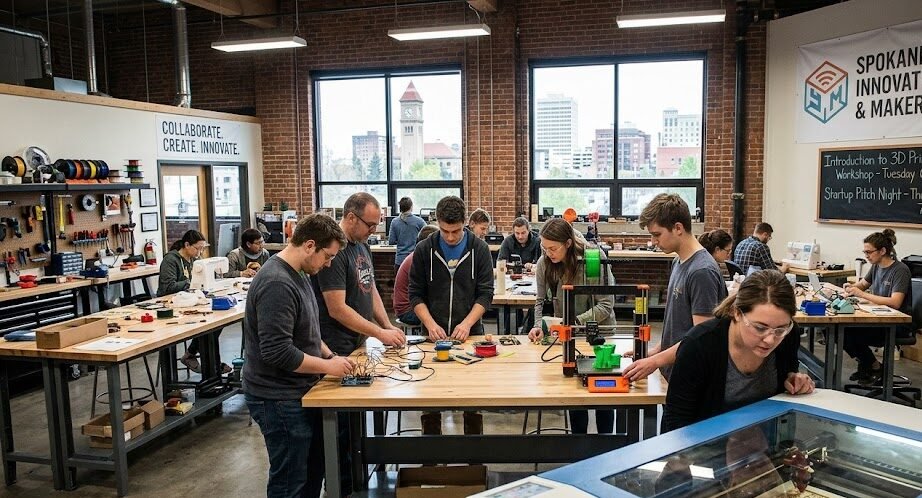
Makerspaces and innovation labs have emerged as vital catalysts for creative and entrepreneurial development across the United States, with Spokane establishing itself as a notable hub for these transformative facilities. These collaborative workspaces provide entrepreneurs, artists, engineers, and hobbyists with access to sophisticated tools, equipment, and mentorship that would otherwise be prohibitively expensive or inaccessible to individual creators.
A makerspace is fundamentally a community-operated, membership-based workspace where individuals can access shared tools, machinery, and resources to design, build, and prototype projects. Innovation labs, by contrast, typically focus on fostering entrepreneurship and technological advancement through structured programs, networking opportunities, and business development support.
Spokane’s Growing Creative Ecosystem
Spokane’s emergence as a regional center for creative innovation represents a significant economic transformation for the Pacific Northwest community. The city has cultivated a diverse network of makerspaces and innovation labs that cater to various industries and skill levels, from digital fabrication and woodworking to software development and social entrepreneurship.
This development reflects a broader recognition that creative economies drive sustainable growth, attract talent, and foster community resilience. Spokane’s strategic investments in these spaces demonstrate a commitment to building an inclusive ecosystem where ideas can flourish and local entrepreneurs can turn concepts into viable businesses.
Key Players in Spokane’s Innovation Landscape
Several established makerspaces and innovation labs now operate throughout Spokane, each contributing unique value to the creative community:
- Digital fabrication centers offering 3D printing, laser cutting, and CNC machining capabilities
- Community maker studios providing access to woodworking, metalworking, and textile equipment
- Technology-focused innovation hubs supporting software developers and tech startups
- Business incubators offering mentorship, funding connections, and professional development
These facilities collectively serve hundreds of members annually and have supported the launch of numerous successful local enterprises, demonstrating measurable economic impact.
Economic Benefits and Job Creation
The presence of makerspaces and innovation labs in Spokane generates substantial economic benefits for the region. These facilities serve as employment incubators, helping entrepreneurs transition from concept to commercialization while creating skilled jobs in manufacturing, technology, and creative services sectors.
Beyond direct employment, these spaces stimulate secondary economic activity through supplier relationships, professional services, and increased consumer spending within the community. Companies that emerge from Spokane’s innovation ecosystem often maintain local headquarters and continue sourcing services and materials from regional vendors, multiplying the economic impact.
Supporting Workforce Development and Skills Training
Makerspaces and innovation labs play an increasingly important role in workforce development, offering training programs and skill-building opportunities aligned with evolving labor market demands. Through workshops, apprenticeships, and hands-on learning experiences, these facilities prepare individuals for careers in high-demand fields including advanced manufacturing, digital design, and technology entrepreneurship.
This educational function proves particularly valuable for underrepresented populations seeking career advancement and for career-changers pursuing new professional directions without requiring traditional degree programs.
Fostering Collaboration and Community Engagement
The collaborative nature of makerspaces and innovation labs creates powerful opportunities for cross-disciplinary cooperation and knowledge sharing. By bringing together individuals with diverse backgrounds, skills, and perspectives, these facilities generate creative synergies that often result in innovative solutions to community challenges.
Community engagement initiatives hosted in these spaces—including public workshops, student programs, and neighborhood partnerships—help democratize access to tools and knowledge while strengthening social connections throughout Spokane.
Supporting Underrepresented Entrepreneurs
Spokane’s innovation labs increasingly prioritize programs designed to support entrepreneurs from underrepresented communities, including women, people of color, and individuals from low-income backgrounds. Targeted mentoring, funding assistance, and networking opportunities help level the playing field for entrepreneurs who historically face systemic barriers to business development.
This inclusive approach not only benefits individual entrepreneurs but strengthens the overall ecosystem by expanding the talent pool and bringing diverse perspectives to innovation and problem-solving.
Challenges and Future Opportunities
Despite significant progress, Spokane’s makerspace and innovation lab sector faces ongoing challenges including sustainable funding models, facility expansion needs, and workforce development scaling. Many facilities operate on thin margins and depend on membership fees, grants, and philanthropic support to maintain operations.
Future opportunities for growth include increased corporate partnerships, government support for innovation infrastructure, and regional collaboration initiatives that expand access to resources and expertise across Eastern Washington and the broader Pacific Northwest region.
Conclusion
Makerspaces and innovation labs have fundamentally transformed Spokane’s creative economy, providing essential infrastructure and support systems for entrepreneurs and creators at all levels. By democratizing access to tools, knowledge, and networks, these facilities have catalyzed economic development while fostering community engagement and inclusive opportunity.
As Spokane continues to build upon these successes, the ongoing investment in collaborative workspaces and innovation support promises to strengthen the region’s competitiveness, attract talent, and generate sustainable prosperity for future generations of creators and entrepreneurs.