
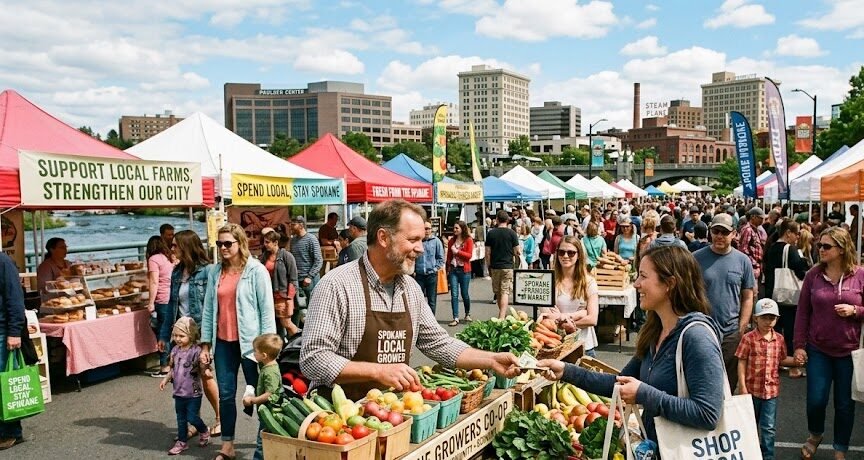
Understanding Spokane’s Farmers Market Impact
Spokane’s farmers markets have emerged as vital economic and social institutions within the community, transforming local neighborhoods while fostering meaningful connections between producers and consumers. These vibrant marketplaces extend far beyond simple transaction points, serving as catalysts for economic development, community engagement, and sustainable local agriculture.
Economic Benefits for Local Producers
Farmers markets in Spokane provide essential revenue streams for local farmers, artisans, and small business owners. By eliminating intermediaries and selling directly to consumers, vendors retain a significantly higher percentage of their sales revenue compared to traditional wholesale distribution channels. This direct-to-consumer model enables farmers to reinvest profits into their operations, expand their product offerings, and support their families through agricultural pursuits.
The economic impact extends beyond individual vendors. When farmers and producers earn sustainable incomes from local markets, they contribute to the regional economy through increased spending at other local businesses, property investments, and tax contributions. This economic multiplier effect strengthens the overall financial health of Spokane’s community.
Community Building and Social Connection
Beyond economic transactions, Spokane’s farmers markets function as gathering spaces where community members build relationships and strengthen social bonds. Regular attendees develop connections with vendors, learn about local food production, and engage with neighbors who share similar values regarding health, sustainability, and community support.
These markets create opportunities for:
- Educational workshops on food preparation and nutrition
- Live entertainment and cultural programming
- Family-friendly activities and events
- Intergenerational connections and knowledge sharing
- Celebration of local culture and diversity
Supporting Sustainable Agriculture
Farmers markets encourage sustainable and organic farming practices by rewarding producers who prioritize environmental stewardship. Consumers voting with their dollars create demand for responsibly grown products, incentivizing farmers to adopt practices that protect soil health, reduce chemical inputs, and support biodiversity.
This shift toward sustainable agriculture benefits the entire region through improved water quality, reduced pesticide usage, and preservation of agricultural land. Additionally, local food systems reduce transportation distances, thereby lowering the carbon footprint associated with food distribution.
Health and Food Access Benefits
Access to fresh, locally grown produce directly improves public health outcomes. Farmers markets expand food options for community members, particularly in neighborhoods that may lack adequate access to fresh fruits and vegetables. The increased availability of nutritious foods at competitive prices supports healthier eating habits and contributes to disease prevention.
Many Spokane farmers markets accept SNAP benefits and provide incentive programs that increase purchasing power for low-income families, ensuring equitable access to nutritious local foods across all socioeconomic backgrounds.
Economic Development and Neighborhood Revitalization
Markets serve as anchors for neighborhood development and revitalization efforts. Regular foot traffic generated by market activities benefits surrounding businesses, increases property values, and stimulates additional investment in market neighborhoods. The visual vibrancy and social activity associated with farmers markets contribute to improving neighborhood perception and safety.
Spokane’s markets also create employment opportunities, from direct vendor positions to support roles in market operations, logistics, and promotional activities.
Challenges and Future Growth
While Spokane’s farmers markets have demonstrated substantial growth, challenges remain. Seasonal limitations affect market availability, weather conditions impact vendor participation, and increasing operational costs affect sustainability. Addressing these challenges requires ongoing community support, municipal investment, and collaboration between vendors, consumers, and local government.
Strategic investments in year-round infrastructure, promotional marketing, and vendor support programs will enhance the long-term viability and expansion of Spokane’s farmers market ecosystem.
Conclusion
Spokane’s farmers markets represent more than convenient shopping venues—they embody a comprehensive approach to community development that simultaneously addresses economic vitality, social cohesion, environmental sustainability, and public health. By supporting these vital institutions, Spokane residents invest in a more resilient, equitable, and prosperous local future. The continued growth and success of farmers markets depend on sustained community engagement, institutional support, and recognition of their multifaceted value to the region.