
The Growing Appeal of Inland Living
The landscape of remote work has fundamentally transformed how professionals approach their choice of residence. No longer tethered to major metropolitan centers, workers are increasingly exploring alternative locations that offer a superior quality of life without sacrificing career opportunities. Spokane, Washington, has emerged as a compelling destination for this demographic shift, attracting remote workers seeking a balance between professional growth and personal well-being.
Economic Advantages of Choosing Spokane
One of the most significant factors driving remote workers to Spokane is the region’s affordability. Compared to major tech hubs such as Seattle, San Francisco, and Portland, Spokane offers substantially lower costs of living across multiple categories. Housing prices, in particular, remain considerably more accessible, allowing remote workers to invest in property ownership or secure spacious accommodations without the financial strain associated with coastal cities.
Beyond real estate, daily expenses including groceries, utilities, and services contribute to Spokane’s economic attractiveness. Remote workers who maintain salaries tied to larger metropolitan markets can stretch their earnings further in Spokane, potentially improving their financial stability and investment capacity.
Quality of Life and Community Factors
Remote workers are prioritizing lifestyle considerations alongside financial metrics. Spokane presents a unique combination of urban amenities and easy access to natural recreational opportunities. The region features:
- Four distinct seasons with outdoor recreation possibilities year-round
- Proximity to mountains, lakes, and hiking trails
- A vibrant downtown area with restaurants, galleries, and cultural venues
- A growing community of like-minded professionals and entrepreneurs
- Lower crime rates compared to major metropolitan areas
The community aspect cannot be overstated. As remote work can sometimes feel isolating, Spokane’s emerging network of co-working spaces, professional organizations, and social groups provides opportunities for in-person connection and collaboration.
Infrastructure and Connectivity
Reliable internet connectivity is non-negotiable for remote workers. Spokane has invested significantly in broadband infrastructure, with multiple providers offering high-speed internet options. This technological foundation ensures that remote workers can maintain productivity standards equivalent to those in larger cities, eliminating connectivity as a barrier to relocation.
Additionally, Spokane International Airport provides direct flights to major U.S. cities, facilitating business travel when in-person meetings are necessary. This connectivity feature appeals to remote workers who may need to visit clients or attend occasional corporate gatherings.
Professional Ecosystem Development
The influx of remote workers has catalyzed the development of a robust professional ecosystem in Spokane. Co-working spaces have proliferated, offering flexible membership options and professional networking opportunities. Local chambers of commerce and business associations actively support entrepreneurship and professional development, creating an environment conducive to career advancement.
Technology companies and startups are increasingly establishing operations or satellite offices in Spokane, recognizing the region’s potential as an emerging innovation hub. This development strengthens the local economy and provides opportunities for remote workers seeking potential collaboration or employment transitions.
Education and Professional Development
Spokane hosts several institutions of higher education, including Gonzaga University and Washington State University’s Spokane campus. These institutions offer continuing education programs, professional certifications, and networking opportunities for remote workers seeking to advance their skills or credentials without relocating to traditional educational centers.
Cultural and Recreational Opportunities
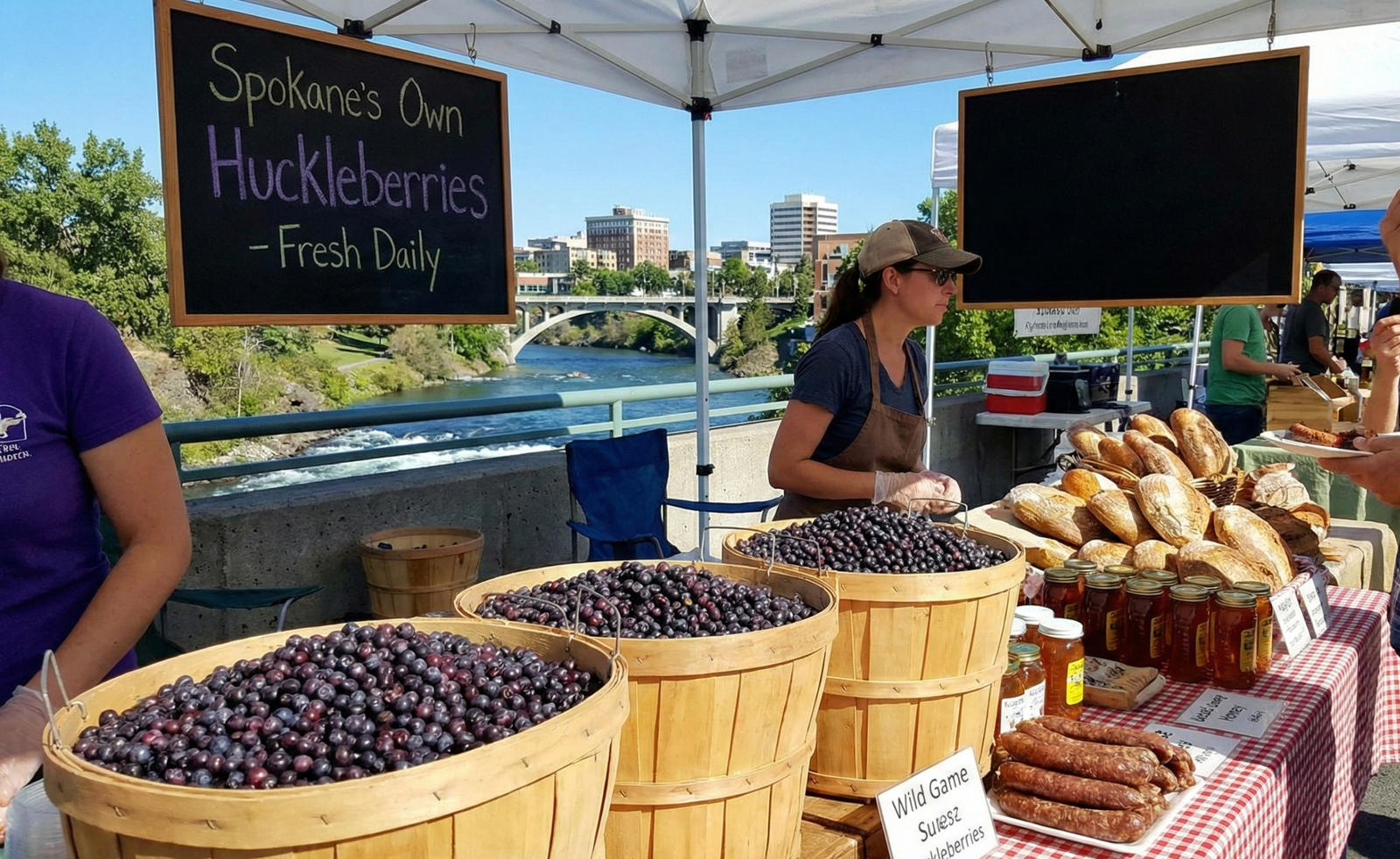
A thriving cultural scene distinguishes Spokane from smaller rural communities. The region supports theaters, museums, art galleries, and music venues, providing entertainment options that appeal to professionals with diverse interests. The annual Spokane International Film Festival, various music festivals, and farmers markets contribute to a dynamic community calendar.
Recreational opportunities extend beyond cultural pursuits. Outdoor enthusiasts benefit from proximity to:
- The Spokane River and surrounding water recreation
- Extensive trail systems for hiking and biking
- Winter sports facilities in nearby mountain regions
- Regional parks and natural preserves
The Remote Work Revolution and Spokane’s Future
The rise of remote work has created an unprecedented opportunity for secondary cities like Spokane to attract talent and investment. Remote workers are no longer forced to accept compromise between career and lifestyle; they can increasingly choose locations based on personal preferences and quality-of-life considerations.
Spokane’s combination of affordability, quality of life, reliable infrastructure, and emerging professional opportunities positions the city advantageously within this transforming landscape. As more remote workers discover and relocate to Spokane, the community benefits from increased economic activity, expanded services, and a larger professional network—creating a virtuous cycle that strengthens the region’s appeal.
Conclusion
The phenomenon of remote workers choosing Spokane reflects broader trends in work culture and residential preferences. By offering financial accessibility, quality-of-life benefits, reliable connectivity, and a developing professional ecosystem, Spokane provides a compelling alternative to traditional remote work destinations. As the remote work model continues to mature and evolve, cities like Spokane that thoughtfully invest in infrastructure and community development will likely continue to attract professionals seeking a more balanced and sustainable approach to career and personal fulfillment.