Spokane, Washington’s real estate market continues to experience significant growth and transformation. As the city expands and evolves, certain neighborhoods have emerged as particularly attractive destinations for both homebuyers and investors. Understanding which areas are experiencing the fastest growth can provide valuable insights for those considering a move or investment opportunity in the region.
The State of Spokane’s Real Estate Market
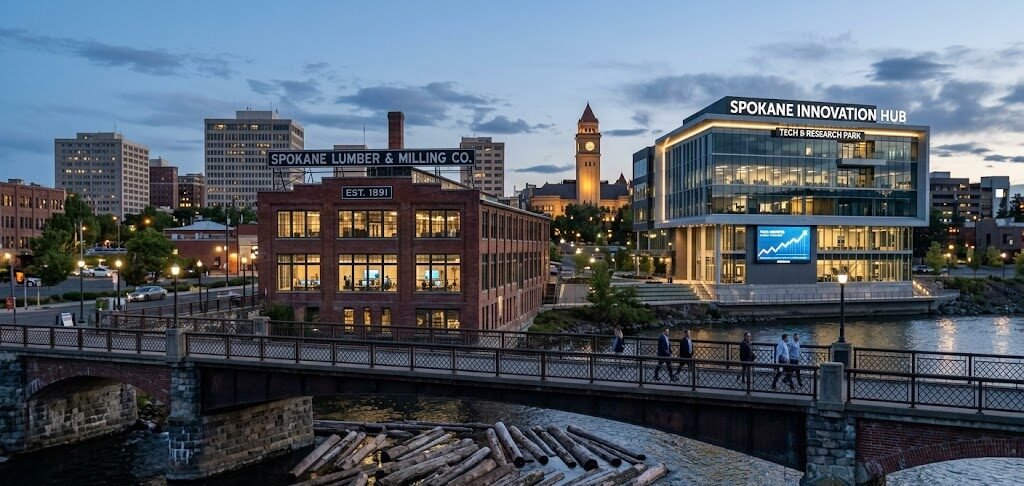
The Spokane metropolitan area has experienced robust economic development over the past several years, driven by population growth, increased business activity, and infrastructure improvements. This expansion has created unprecedented opportunities in the residential real estate sector, with numerous neighborhoods experiencing significant appreciation and development activity.
Several factors contribute to neighborhood growth in Spokane, including proximity to employment centers, quality schools, amenities, and overall livability. As the city continues to develop, new and established neighborhoods alike have become increasingly desirable places to call home.
Key Growth Drivers in 2024
Multiple elements have contributed to accelerated neighborhood development in Spokane during 2024:
- Economic Development: New business ventures and corporate relocations have bolstered the local economy and increased job opportunities.
- Infrastructure Investment: Improved roads, utilities, and public facilities have enhanced accessibility and quality of life.
- Population Migration: Residents from larger metropolitan areas have discovered Spokane’s affordability and quality of life advantages.
- Educational Institutions: Proximity to universities and quality school districts remains a significant draw for families.
- Lifestyle Appeal: Outdoor recreation opportunities, cultural amenities, and vibrant downtown areas attract diverse populations.
Factors Contributing to Neighborhood Growth
Rapid neighborhood growth typically stems from multiple interconnected factors. In Spokane’s case, the convergence of affordable housing compared to national averages, quality of life considerations, and economic opportunities has created a perfect storm for residential development.
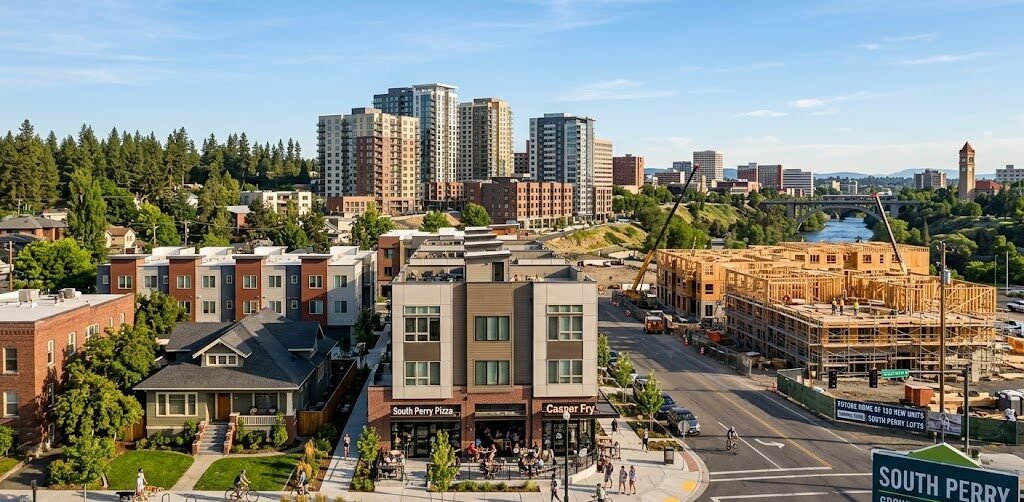
The availability of developable land, combined with supportive zoning policies and city planning initiatives, has enabled builders to create new residential communities while simultaneously revitalizing established neighborhoods. Additionally, investment in public spaces, parks, and community centers has made these areas increasingly attractive to potential residents.
Investment Opportunities in Growing Neighborhoods
For real estate investors, Spokane’s fastest-growing neighborhoods present compelling opportunities. Areas experiencing rapid growth typically demonstrate strong appreciation potential, increased rental demand, and sustained buyer interest.
Investors should consider long-term growth projections, demographic trends, and planned infrastructure improvements when evaluating opportunities. Neighborhoods with improving schools, expanding commercial districts, and enhanced recreational facilities tend to maintain strong growth trajectories.
What Attracts Residents to Growing Neighborhoods
Understanding what draws people to specific neighborhoods is essential for both buyers and investors. Several characteristics distinguish Spokane’s fastest-growing areas:
- Access to quality schools and educational institutions
- Proximity to employment centers and business districts
- Availability of shopping, dining, and entertainment options
- Parks, trails, and outdoor recreation facilities
- Sense of community and neighborhood amenities
- Affordability relative to housing quality
- Safety and low crime rates
- Modern infrastructure and reliable utilities
The Impact of Remote Work
The shift toward remote work arrangements has significantly influenced neighborhood growth patterns throughout Spokane. With decreased reliance on physical office locations, many professionals have prioritized lifestyle factors and cost-of-living considerations over commute proximity.
This trend has particularly benefited neighborhoods that offer suburban tranquility while maintaining urban conveniences, allowing residents to enjoy spacious homes at reasonable prices while preserving access to cultural and professional opportunities.
Planning Your Move to a Growing Neighborhood
Those considering relocating to one of Spokane’s fastest-growing neighborhoods should approach the decision strategically. Research local schools if children are involved, evaluate job market conditions in your field, and visit neighborhoods during different times of day to assess community character and lifestyle fit.
Working with knowledgeable local real estate professionals can provide valuable context about neighborhood trajectories, future development plans, and market conditions. These experts can identify neighborhoods aligned with your priorities and financial objectives.
Future Growth Projections
Spokane’s growth trajectory appears poised to continue throughout the remainder of 2024 and beyond. Anticipated infrastructure projects, planned commercial developments, and ongoing population migration suggest that current growth neighborhoods will maintain momentum while additional areas may emerge as attractive destinations.
Urban planners and economic development officials remain committed to sustainable growth that maintains Spokane’s character while accommodating increased population. This balanced approach to development benefits both longtime residents and newcomers.
Conclusion
Spokane’s fastest-growing neighborhoods in 2024 represent more than mere real estate statistics—they reflect the city’s evolving identity and expanding appeal. Whether you’re seeking a new home, investment opportunity, or simply curious about the region’s development, understanding these neighborhood trends provides valuable perspective on Spokane’s dynamic future.
The combination of economic opportunity, quality of life, affordability, and community appeal continues to attract residents and investors to Spokane’s most dynamic neighborhoods. As the city maintains its growth trajectory, these areas will likely remain among the most desirable destinations in the Pacific Northwest.