
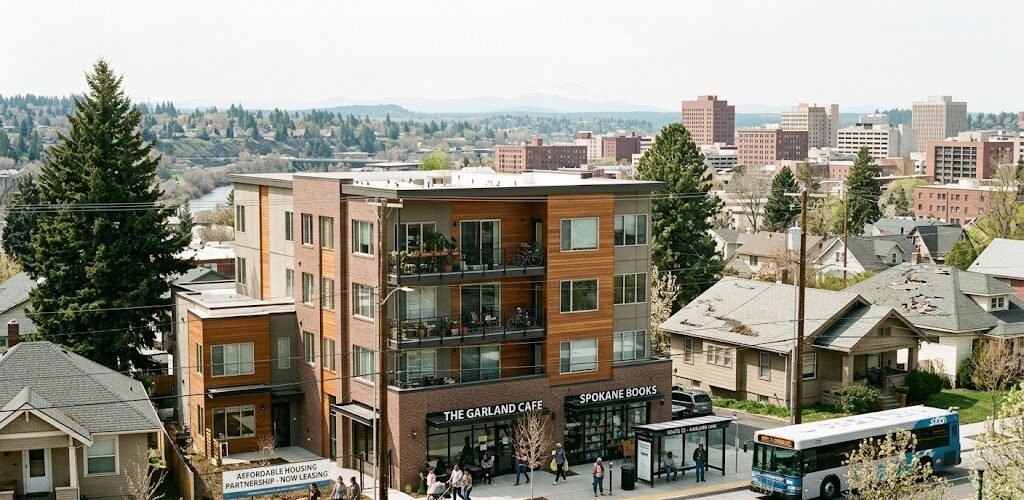
Understanding Spokane’s Housing Market Dynamics
Spokane, Washington’s second-largest city, stands at a critical juncture as it navigates the complex intersection of population growth and housing affordability. The city has experienced significant demographic shifts in recent years, attracting new residents seeking opportunities and a more affordable lifestyle compared to coastal metropolitan areas. However, this influx of people has created unprecedented challenges for local policymakers, developers, and residents alike.
The Growth Imperative
Population projections indicate that Spokane County will continue to experience substantial growth over the next two decades. This expansion presents both opportunities and challenges for the region’s economic development and quality of life. The city’s growing appeal stems from several factors, including a robust job market, lower cost of living compared to major West Coast cities, and an increasingly vibrant downtown district.
Economic growth in technology, healthcare, and light manufacturing sectors has attracted corporations and young professionals to the region. This economic vitality has spurred development activity and investment in infrastructure, positioning Spokane as an emerging hub in the Pacific Northwest.
Affordability Challenges in a Growing Market
Despite Spokane’s reputation for affordability, recent housing price escalations have outpaced wage growth for many residents. Several factors contribute to this affordability crisis:
- Limited housing inventory: Construction has not kept pace with demand, creating supply shortages that drive prices upward
- Rising construction costs: Labor shortages and material expenses have increased the cost of new residential development
- Investor interest: Out-of-state investors purchasing properties for rental income have reduced the owner-occupied housing stock
- Zoning restrictions: Regulatory barriers limit the development of diverse housing types and densities
First-time homebuyers and low-to-moderate income families increasingly find themselves priced out of the market. Rental costs have similarly climbed, creating hardship for vulnerable populations including seniors, workers in service industries, and families with children.
Development Strategies and Solutions
Local stakeholders are pursuing multiple approaches to address the growth-affordability paradox. Effective solutions require coordination among city planners, developers, nonprofit organizations, and community members.
Zoning and Land Use Reform
Several municipalities are reevaluating zoning regulations to permit mixed-income housing developments, increase residential density in appropriate areas, and streamline approval processes for new construction. By allowing diverse housing types—including townhomes, duplexes, and apartment complexes—communities can expand the supply of housing options at various price points.
Affordable Housing Initiatives
Public and private partnerships are establishing affordable housing programs through mechanisms such as:
- Inclusionary zoning requirements that mandate affordable units in new developments
- Tax incentives for developers who create workforce housing
- Community land trusts that stabilize housing costs long-term
- Nonprofit acquisition and preservation of existing affordable properties
Infrastructure Investment
Strategic infrastructure improvements, particularly in transportation and utilities, enable development in underutilized areas and reduce sprawl. Infill development in established neighborhoods can accommodate growth while preserving community character and reducing development pressure on peripheral areas.
Balancing Growth with Community Values
Spokane’s residents hold diverse perspectives on growth and development. Some embrace expansion as essential for economic prosperity and tax base growth, while others worry about traffic congestion, environmental impacts, and loss of community character. Successful planning requires transparent dialogue and inclusive decision-making processes that honor these varied concerns.
Community engagement initiatives that involve residents, business owners, and advocacy groups in planning discussions help build consensus and generate innovative solutions. Public input during zoning reviews and development approvals ensures that community values shape the city’s physical development.
The Role of Government Policy
State and local policies significantly influence housing market outcomes. The City of Spokane and Spokane County have adopted comprehensive plans addressing growth management and housing policy. Additional policy tools include impact fees that fund infrastructure, rent stabilization measures, and regulations protecting existing neighborhoods from excessive displacement.
State legislation affecting property taxes, zoning authority, and housing finance mechanisms also shapes local housing markets. Advocacy for supportive state policies, such as funding for affordable housing preservation and authority to implement progressive land-use regulations, strengthens municipal capacity to address affordability challenges.
Looking Forward: Spokane’s Housing Future
The path forward requires recognition that growth and affordability are not mutually exclusive objectives. Strategic planning, regulatory innovation, and sustained investment in affordable housing can accommodate population expansion while maintaining economic diversity and community stability.
Spokane’s success depends on proactive leadership, adequate funding for housing programs, and commitment to equitable development outcomes. By addressing housing challenges comprehensively, Spokane can attract residents and businesses while ensuring that long-time community members and working families can afford to remain and thrive in the region.
The decisions made today regarding zoning, development, and housing policy will shape Spokane’s character and livability for decades to come. Stakeholders across the city are encouraged to engage actively in these critical conversations to help chart a course toward sustainable, inclusive growth.